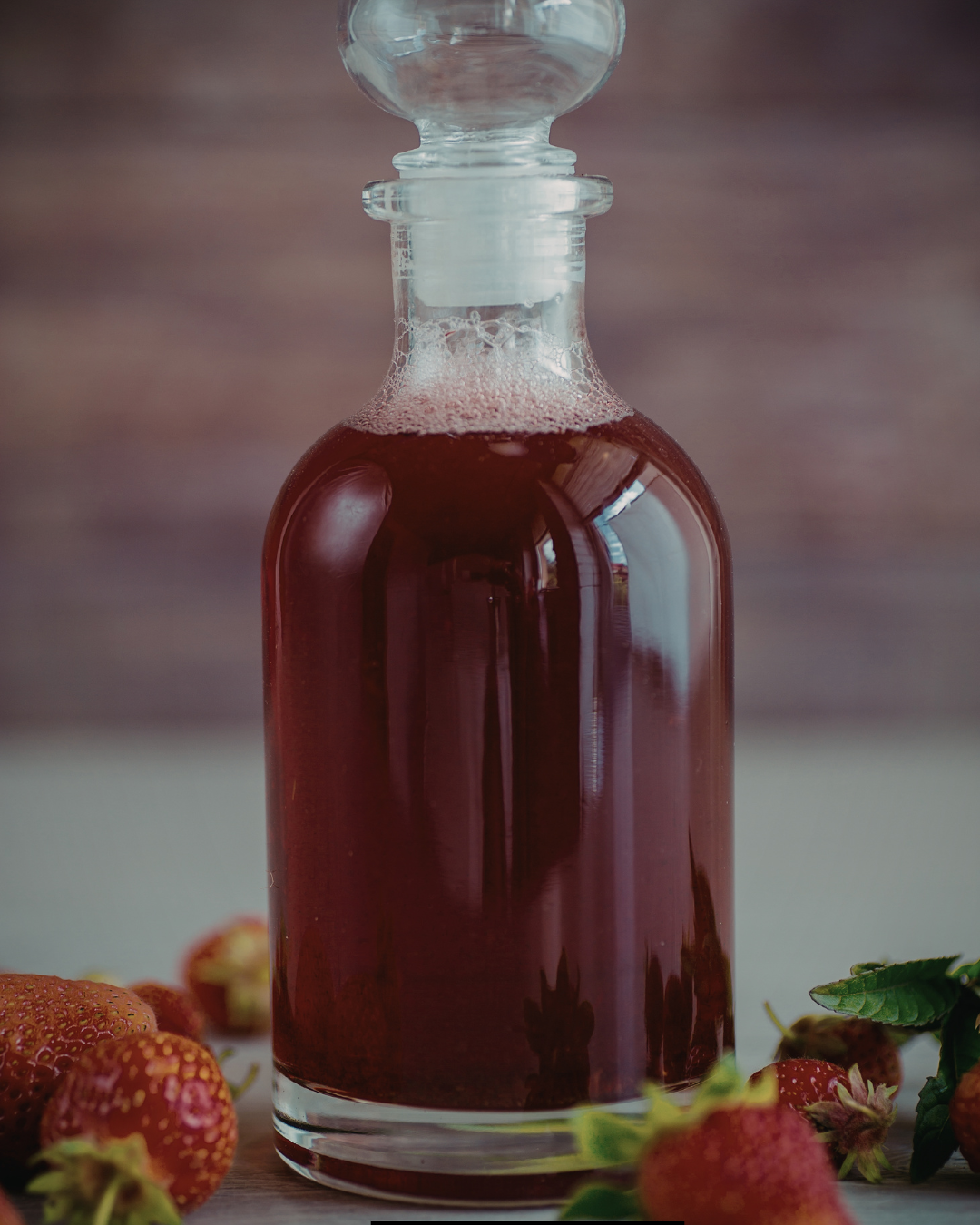
I’ve always loved the versatility of this Strawberry Syrup for Drinks. It’s not just about creating a sugary drink—it’s about infusing a distinct, vibrant flavor into whatever you’re sipping. And the best part? You don’t need to rely on store-bought options. Whipping up a batch of homemade strawberry syrup is simple, satisfying, and endlessly customizable. Take it from me: it’s one ingredient that will leave you wondering how your drinks ever lived without it!
Table of Contents
How to make Strawberry Syrup for Drinks
Strawberry syrup for drinks is a sweet, flavored liquid made from strawberries, sugar, and water, often used to add fruity flavor, color, and sweetness to beverages. It can be homemade with real strawberries or commercially produced as a concentrated syrup.
Ingredients
- Fresh or Frozen Strawberries – 1 cup (hulled and chopped)
- Sugar – 1 cup
- Water – 1 cup
- Lemon Juice (Optional) – 1 teaspoon
Instructions
- If you’re using fresh strawberries, wash them thoroughly, remove the stems, and chop them into small pieces to help release their juices more easily. If you’re using frozen strawberries, there’s no need to thaw them—they’ll break down as they cook.
- Combine the chopped strawberries, sugar, and water in a medium-sized saucepan. If you’re using lemon juice, add it now.
- Place the saucepan on medium heat and stir occasionally as the sugar dissolves.
- Bring the mixture to a gentle boil, then reduce the heat to low and let it simmer for about 10–15 minutes. During this time, the strawberries will soften, and the liquid will take on a deep pinkish-red color.
- Mash the strawberries with a spoon, fork, or potato masher to extract all their juices for maximum flavor.
- Place a fine mesh strainer or cheesecloth over a bowl or measuring cup. Carefully pour the cooked strawberry mixture into the strainer to separate the liquid syrup from the strawberry solids. Press the solids gently with a spoon to extract as much syrup as possible. (You can save the leftover pulp to use in smoothies or as a topping for yogurt.)
- Allow the strained syrup to cool completely at room temperature. It will thicken slightly as it cools.
- Transfer the cooled syrup to a clean, airtight container or glass jar and store it in the refrigerator. It will stay fresh for about 1–2 weeks.
Tips for Perfect Strawberry Syrup
- If you prefer your syrup less sweet, reduce the amount of sugar slightly. For a stronger strawberry flavor, you can increase the number of strawberries without altering the other ingredients.
- Add a touch of vanilla extract or a sprinkle of cinnamon for a twist on the classic strawberry flavor. You can also pair strawberries with other fruits, like raspberries or blueberries, for a mixed-berry syrup.
- While simmering the mixture, avoid cooking it for too long. Overcooked syrup may develop a jam-like consistency rather than staying pourable.
- To extend the shelf life of your syrup, sterilize the jar or container before use. Boil your glass jar for a few minutes, then let it dry completely before adding the syrup.
- If you’re looking for the cleanest, purest flavor, opt for organic strawberries and sugar.
- If you’d like to keep your syrup for longer, freeze it in ice cube trays. Thaw a cube whenever you need some syrup!
Ingredients Substitutes
Sometimes you may not have all the ingredients on hand when making strawberry syrup, or you might want a variation for different dietary, taste, or health reasons. Luckily, strawberry syrup is versatile, and there are plenty of substitutes you can use to suit your preferences or circumstances.
1. Strawberries
Substitute with Other Fruits:
If you don’t have strawberries, you can use other berries or fruits that have a similar sweet-tart profile. Here are a few great options:
- Raspberries: For a slightly tangier syrup with a vibrant flavor.
- Blueberries: For a milder, sweeter syrup with a purple hue.
- Blackberries: For a deeper, richer flavor with a hint of earthiness.
- Cherries: For a sweet, slightly tart and luxurious syrup.
- Peaches or Mangoes: For a more tropical and unique twist.
- Use Strawberry Jam or Preserves: If you don’t have fresh or frozen strawberries, you can use ½ to ¾ cup of strawberry jam or preserves in place of fresh strawberries. Reduce the sugar slightly since jams already contain added sugar.
2. Sugar
Natural Sugar Alternatives: Reduce refined sugar by substituting with natural sweeteners like:
- Honey: Use the same amount as the sugar, but note that this will add floral and slightly earthy tones to the syrup.
- Maple Syrup: Though less neutral than white sugar, maple syrup brings a delicious, caramel-like sweetness to the syrup.
- Agave Nectar: Use the same amount as sugar or adjust to taste. Agave has a mild, neutral sweetness and mixes well.
- Coconut Sugar: Adds sweetness with a slight caramel flavor. Keep in mind that the syrup will turn darker.
- Stevia: Use a very small amount of powdered or liquid stevia, as it’s much sweeter than sugar. Taste while adding to avoid over-sweetening.
- Monk Fruit Sweetener: A great low-calorie, keto-friendly option. Use a 1:1 ratio or adjust based on your preferred sweetness.
- Brown Sugar: Swap white sugar for an equal amount of brown sugar for a deeper, molasses-tinged flavor. This works especially well in syrups for cocktails or warm beverages.
3. Water
While water is the most neutral and cost-effective option, you can get creative with the liquid to add more flavor to your syrup:
- Fruit Juice: Replace water with freshly-squeezed orange or apple juice for added fruity dimensions. Be cautious with store-bought juices that may be overly sweet.
- Flavored Tea: Use a mild tea like chamomile or green tea for an herbal twist. Hibiscus tea works beautifully, adding vibrant color and tangy notes.
- Rose Water or Coconut Water (small amounts): Add a subtle floral or tropical undertone with these choices. Use about half water and half rose water or coconut water to maintain a balanced flavor.
4. Lemon Juice
Lemon juice is an optional ingredient but is often used to enhance the syrup’s freshness, balance sweetness, and act as a natural preservative. If you don’t have lemon juice, here are some alternatives:
- Other Citrus Juices: Lime juice is the most straightforward substitute for lemon juice and lends a similar tangy brightness.
- Vinegar (For Acidity): If you’re out of citrus, a splash of vinegar like apple cider vinegar or white vinegar can mimic the tanginess of lemon juice. Use sparingly—about ½ teaspoon for every teaspoon of lemon juice.
- Citric Acid: If you want a shelf-stable, neutral acidity, citric acid is a good choice. Dissolve a pinch (about ¼ teaspoon) into the syrup during the cooking process.
Final Thoughts
Making your own strawberry syrup not only adds a homemade touch to your drinks but also lets you customize the flavor to your liking.
More Syrup Recipes:

Ingredients
- Fresh or Frozen Strawberries - 1 cup
- Sugar - 1 cup
- Water - 1 cup
- Lemon Juice (Optional) - 1 teaspoon
Instructions
- If you’re using fresh strawberries, wash them thoroughly, remove the stems, and chop them into small pieces to help release their juices more easily. If you’re using frozen strawberries, there’s no need to thaw them—they’ll break down as they cook.
- Combine the chopped strawberries, sugar, and water in a medium-sized saucepan. If you’re using lemon juice, add it now.
- Place the saucepan on medium heat and stir occasionally as the sugar dissolves.
- Bring the mixture to a gentle boil, then reduce the heat to low and let it simmer for about 10–15 minutes. During this time, the strawberries will soften, and the liquid will take on a deep pinkish-red color.
- Mash the strawberries with a spoon, fork, or potato masher to extract all their juices for maximum flavor.
- Place a fine mesh strainer or cheesecloth over a bowl or measuring cup. Carefully pour the cooked strawberry mixture into the strainer to separate the liquid syrup from the strawberry solids. Press the solids gently with a spoon to extract as much syrup as possible. (You can save the leftover pulp to use in smoothies or as a topping for yogurt.)
- Allow the strained syrup to cool completely at room temperature. It will thicken slightly as it cools.
- Transfer the cooled syrup to a clean
Discover more from Heavnly Foods
Subscribe to get the latest posts sent to your email.