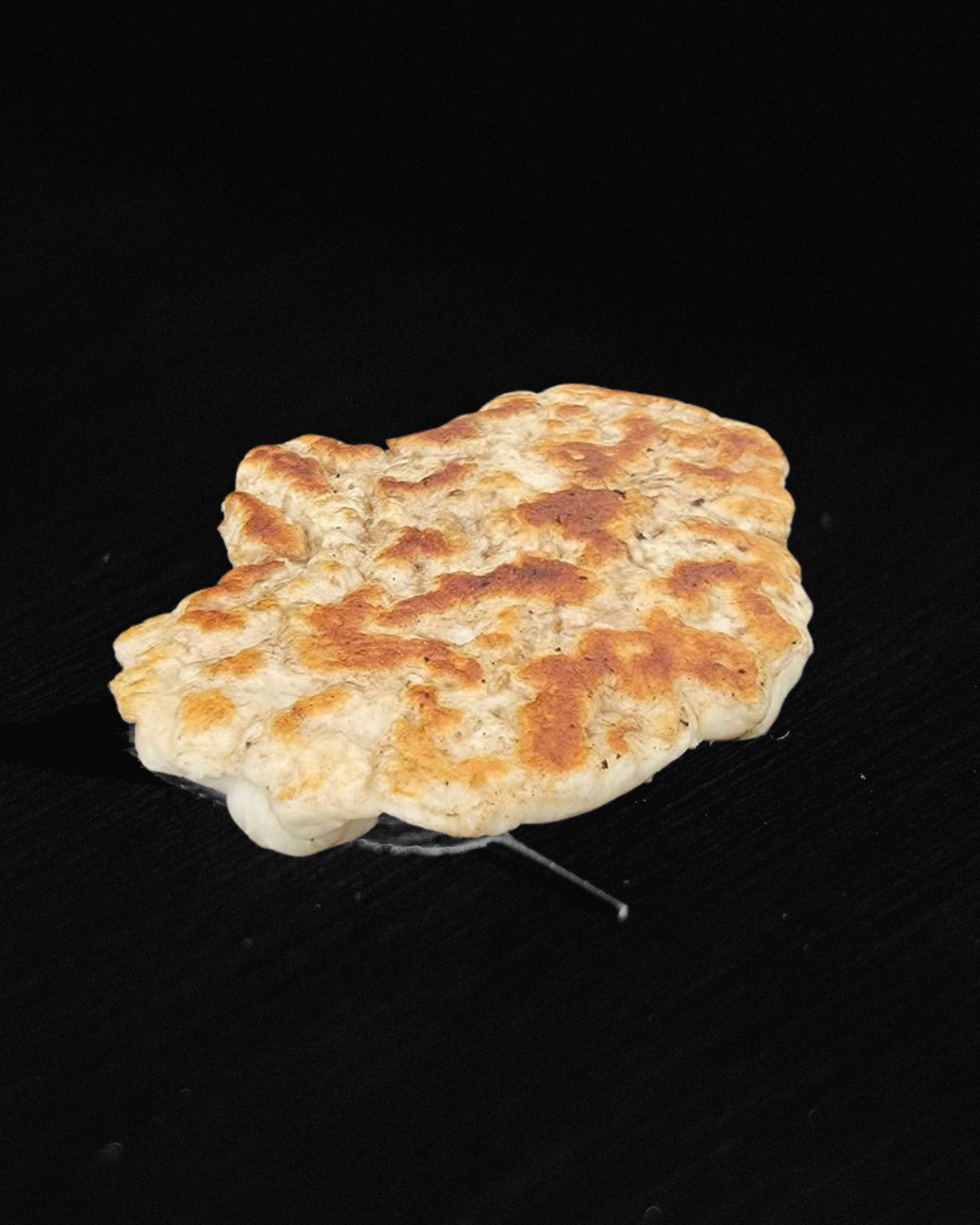
When I first learned about this Outdoor Boys Bread recipe, I was immediately hooked. It’s simple, adaptable, and surprisingly fun to make. No need for fancy equipment or a full kitchen — just a few basic ingredients, a little patience, and your adventurous spirit.
Table of Contents
How to make Outdoor Boys Bread
Outdoor Boys Bread is a simple, rustic campfire-style bread made popular by the YouTube channel Outdoor Boys. It’s basically bread designed for outdoor cookingwith minimal tools and ingredients—think camping, hiking, or survival cooking.
Ingredients
- 2 cups of all-purpose flour (or bread flour for a chewier texture)
- 1 teaspoon of salt
- 1 teaspoon of sugar (optional, for a slightly sweeter flavor)
- 1 teaspoon of active dry yeast
- 3/4 cup of warm water (lukewarm, not hot, to activate the yeast)
- 1 tablespoon of oil (vegetable oil or olive oil works great; optional for softer bread)
- Herbs like rosemary, thyme, or oregano
- A pinch of garlic powder or onion powder for extra flavor
- Cheese, nuts, or seeds for added texture
Instructions
Step 1: If you’re heading out on a camping trip, prepackage your dry ingredients (flour, salt, sugar, and yeast) in a resealable bag or container. This way, all you have to do is add water and oil when you’re ready to bake.
Step 2: If you’re using active dry yeast, combine it with the warm water and a pinch of sugar in a small bowl or cup. Let it sit for about 5–10 minutes, or until bubbly. This step ensures your yeast is active and ready to help the dough rise. If you’re using instant yeast, you can skip this step and mix the yeast directly with the dry ingredients.
Step 3: In a mixing bowl or directly in a large resealable bag, combine the dry ingredients. Slowly pour in the warm water (and activated yeast mixture, if applicable) and the oil (optional). Mix it with a spoon or your hands, or knead it in the bag until it comes together into a smooth, slightly sticky dough.
Step 4: Turn the dough out onto a floured surface and knead for about 8–10 minutes if you’re at home. Outdoors, you can knead it directly in the mixing bowl or bag for 5–7 minutes. The dough should be smooth and elastic when ready.
Step 5: If possible, let the dough rise in a warm spot for 30–60 minutes until it doubles in size. While this step isn’t strictly necessary if you’re short on time, it makes the bread fluffier.
Step 6: Shape the dough into whatever form works for your cooking method — a loaf, rolls, or flatbread discs.
Step 7: You have several options depending on your location and equipment:
- In a Dutch Oven (Campfire Baking): Lightly oil your Dutch oven and place the dough inside. Cover it and bake it over hot coals for 20–30 minutes. Rotate the oven occasionally to ensure even cooking.
- On a Skillet: Roll the dough into smaller flatbread portions and cook them on a hot, oiled skillet over your campfire or stove. Flip after 2–3 minutes per side until golden brown.
- Foil-Packed: Wrap smaller dough portions in aluminum foil and place them near the coals. Flip occasionally to cook evenly on both sides.
Step 8: Let the bread cool slightly and enjoy it on its own, slathered with butter, or paired with your favorite camping stew or soup!
Pro Tips for Perfect Outdoor Boys Bread
- Pre-Mix for Convenience: Pre-pack your dry ingredients in a resealable bag to save time at camp. This is especially helpful if you’re packing light.
- Temperature Matters: Warm (not hot) water helps the yeast activate properly. If the water is too hot, it could kill the yeast.
- Plan for the Rise: If you have the time to let the dough rise, it’s worth it for fluffier bread. But if you’re in a pinch, skip the rise and jump straight to cooking.
- Control Heat Levels: When cooking over an open flame, avoid placing the bread directly over high heat as it can burn the outside without cooking the inside. Use coals or indirect heat for the best results.
- Keep it Moist: If the dough feels too dry while kneading, add small amounts of water (a teaspoon at a time) until it’s smooth and pliable.
What to serve with
The beauty of Outdoor Boys Bread lies in its simplicity—it’s a versatile comfort food that complements almost anything.
1. Soups and Stews
Outdoor Boys Bread is fantastic for soaking up the flavors of rich, saucy dishes, making it a perfect pairing for soups and stews.
- Chili: A hearty, spiced chili is an absolute match for this rustic bread. Use it to mop up the rich, tomato-based sauce or to scoop spoonfuls of beans and meat.
- Campfire Stew: Whether it’s a beef stew or a simple vegetable stew, the bread’s chewy texture is perfect for dipping and balancing the flavors.
2. Eggs and Breakfast
If you’re starting your morning outdoors, use Outdoor Boys Bread as a base to build a hearty breakfast.
- Fried or Scrambled Eggs: Serve your bread alongside freshly cooked eggs with a side of vegetables or bacon.
- Breakfast Sandwich: Stuff slices of bread with fried eggs, a slice of cheese, and bacon or sausage for a filling breakfast.
3. Meats and Grilled Options
Outdoor Boys Bread and grilled meats are a match made in heaven.
- Grilled Chicken or Steak: Serve the bread alongside fire-grilled chicken or steak. Use it to soak up drippings or add it as a side to round out the meal.
- Kebabs: Pair skewered vegetables and meats with your bread for a complete campfire feast.
- Pulled Pork or Beef: Use Outdoor Boys Bread to create rustic sandwiches stuffed with tender pulled pork and barbecue sauce.
Ingredients substitutes
One of the best things about Outdoor Boys Bread is how flexible the recipe is.
1. Substituting Flour
The main base of the bread is all-purpose flour, but if you don’t have it or want to experiment, here are some alternatives:
a) Whole Wheat Flour
Substitute Ratio: Use 100% whole wheat flour or substitute half the all-purpose flour for whole wheat flour.
Result: The bread will have a denser, nuttier flavor with added fiber. If using only whole wheat flour, you might need to add a little more water to keep the dough moist.
b) Bread Flour
Substitute Ratio: Use an equal amount of bread flour.
Result: Bread flour has a higher protein content, which creates a chewier texture. It’s perfect if you prefer a more artisanal feel.
c) Gluten-Free All-Purpose Flour
Substitute Ratio: Replace it 1:1 with a high-quality gluten-free all-purpose flour blend that includes xanthan gum (to mimic the elasticity of gluten).
Result: The bread will still hold its shape and taste great, but it may be slightly denser than the original version.
d) Other Flours
Spelt Flour: A good choice for a nutty flavor. Substitute 50–75% of the flour to avoid overly sticky dough.
Rye Flour: Use in small quantities (up to 50%) for a flavorful, rustic bread. Rye flour is heavier, so it’s best combined with another flour.
Self-Rising Flour: If using self-rising flour, omit the salt and yeast from the recipe since it already contains leavening agents.
2. Substituting Yeast
If you don’t have yeast on hand, don’t worry—there are great alternatives! Just make sure to adjust the method since these substitutes work differently.
a) Baking Powder (Quick Bread Alternative)
Substitute Ratio: For every teaspoon of yeast, use 1.5 teaspoons of baking powder.
How To Use: With baking powder, you don’t need to let the dough rise. Your bread will puff up as it cooks.
Result: This creates a denser, biscuit-like bread rather than a traditional loaf. Ideal if you’re short on time!
b) Sourdough Starter
Substitute Ratio: Replace yeast with 1 cup of bubbly, active sourdough starter. Reduce the water in the recipe slightly to account for the moisture in the starter.
Result: This produces a tangy flavor and a chewier texture. Perfect for sourdough enthusiasts!
c) No-Leaven Option
If no leavening agents are available, you can make flatbread! Omit the yeast and adjust the water to create a slightly stickier dough that will easily roll into thin, cookable pieces.
3. Substituting Water
While water is simple and effective in this recipe, you can add more flavor or richness with a liquid substitute.
a) Milk (Dairy or Plant-Based)
Substitute Ratio: Use the same quantity of milk as water.
Result: Using milk creates a softer, richer bread with a slightly sweeter flavor. Plant-based milks like almond, soy, or oat are great dairy-free options.
b) Buttermilk
Substitute Ratio: Use an equal amount of buttermilk, but reduce the salt slightly since buttermilk is often tangy and acidic.
Result: The acidity in buttermilk adds tenderness and a subtle tang to the bread.
c) Beer
Substitute Ratio: Replace some or all of the water with beer.
Result: Beer adds a malty, slightly bitter flavor and works well with savory pairings. Plus, the carbonation helps the dough rise slightly. Perfect for campfires!
Final Thoughts
Outdoor Boys Bread is not just a recipe; it’s an experience.

Ingredients
- 2 cups of all-purpose flour
- 1 teaspoon of salt
- 1 teaspoon of sugar
- 1 teaspoon of active dry yeast
- 3/4 cup of warm water
- 1 tablespoon of oil
- Herbs like rosemary
- A pinch of garlic powder
- Cheese,
Instructions
Step 1: If you're heading out on a camping trip, prepackage your dry ingredients (flour, salt, sugar, and yeast) in a resealable bag or container. This way, all you have to do is add water and oil when you're ready to bake.
Step 2: If you’re using active dry yeast, combine it with the warm water and a pinch of sugar in a small bowl or cup. Let it sit for about 5–10 minutes, or until bubbly. This step ensures your yeast is active and ready to help the dough rise. If you're using instant yeast, you can skip this step and mix the yeast directly with the dry ingredients.
Step 3: In a mixing bowl or directly in a large resealable bag, combine the dry ingredients. Slowly pour in the warm water (and activated yeast mixture, if applicable) and the oil (optional). Mix it with a spoon or your hands, or knead it in the bag until it comes together into a smooth, slightly sticky dough.
Step 4: Turn the dough out onto a floured surface and knead for about 8–10 minutes if you're at home. Outdoors, you can knead it directly in the mixing bowl or bag for 5–7 minutes. The dough should be smooth and elastic when ready.
Step 5: If possible, let the dough rise in a warm spot for 30–60 minutes until it doubles in size. While this step isn’t strictly necessary if you’re short on time, it makes the bread fluffier.
Step 6: Shape the dough into whatever form works for your cooking method — a loaf, rolls, or flatbread discs.
Step 7: You have several options depending on your location and equipment:
- In a Dutch Oven (Campfire Baking): Lightly oil your Dutch oven and place the dough inside. Cover it and bake it over hot coals for 20–30 minutes. Rotate the oven occasionally to ensure even cooking.
- On a Skillet: Roll the dough into smaller flatbread portions and cook them on a hot, oiled skillet over your campfire or stove. Flip after 2–3 minutes per side until golden brown.
- Foil-Packed: Wrap smaller dough portions in aluminum foil and place them near the coals. Flip occasionally to cook evenly on both sides.
Step 8: Let the bread cool slightly and enjoy it on its own, slathered with butter, or paired with your favorite camping stew or soup!
Discover more from Heavnly Foods
Subscribe to get the latest posts sent to your email.