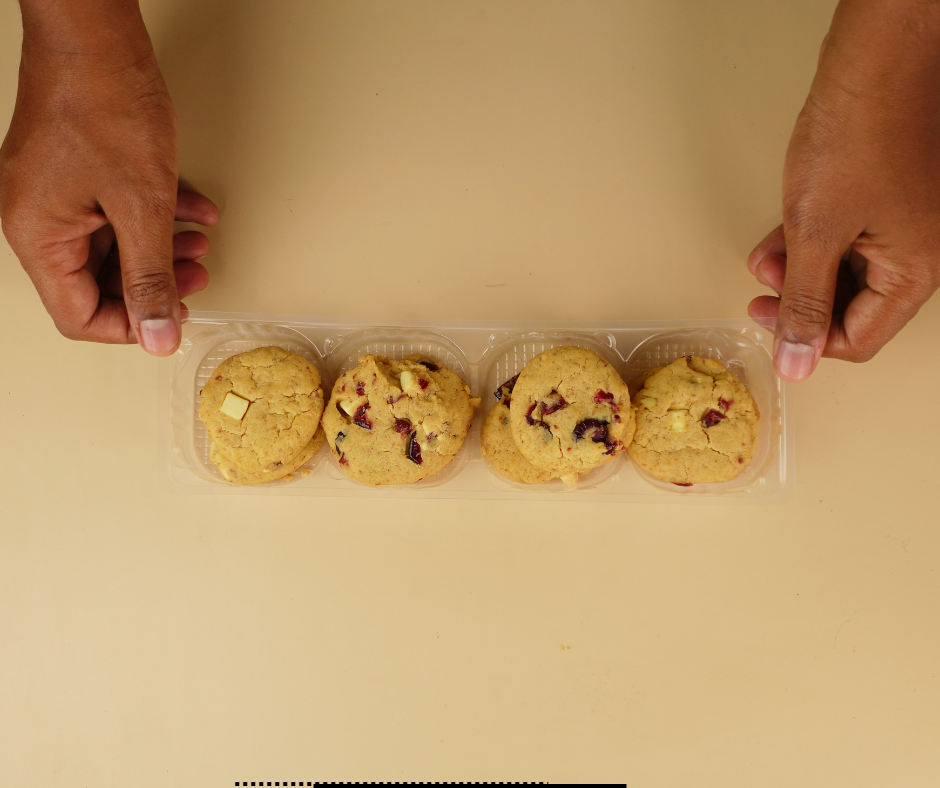
With Easter just around the corner, I’ve found myself inspired by one of my all-time favorites—Cadbury Eggs! If you’re a fan of their creamy centers or crunchy candy coatings, get ready, because this Cadbury Egg Cookies recipe takes them to the next level.
Table of Contents
How to make Cadbury Egg Cookies
Cadbury Egg Cookies are a type of dessert cookie made using Cadbury chocolate eggs—usually the small, candy-coated ones or sometimes the gooey-filled crème eggs—as a key ingredient.
Ingredients:
- 1 cup (2 sticks) unsalted butter, softened
- 1 cup granulated sugar
- 1 cup brown sugar, packed
- 2 large eggs
- 1 tablespoon vanilla extract
- 2 ¾ cups all-purpose flour
- 1 teaspoon baking soda
- ½ teaspoon salt
- 1 cup chocolate chips (optional, for extra chocolate flavor!)
- 1 ½ cups Cadbury Mini Eggs, crushed or left whole
Instructions
- In a large mixing bowl, cream together the softened butter, granulated sugar, and brown sugar until smooth and fluffy (about 2-3 minutes).
- Add the eggs, one at a time, and beat until fully incorporated.
- Mix in the vanilla extract, ensuring it’s well blended.
- In a separate bowl, whisk together the flour, baking soda, and salt.
- Gradually incorporate the dry ingredients into the wet mixture, stirring until a soft dough forms.
- Stir in the chocolate chips (if using), followed by the Cadbury Mini Eggs. You can crush some of the eggs for texture while keeping others whole for bursts of chocolate.
- Scoop out tablespoons of dough and roll them into balls. Place them on a baking sheet lined with parchment paper or a silicone mat, spacing them 2 inches apart.
- If using Cadbury Creme Eggs, gently press a piece or half of a Creme Egg into the center of some dough balls for a gooey-filled cookie.
- For the best texture, chill the cookie dough in the refrigerator for 30 minutes to an hour before baking. This prevents the cookies from spreading too much in the oven.
- Preheat your oven to 350°F (175°C): Bake the cookies for 10-12 minutes, until the edges are golden but the center is still slightly soft (it will firm up as the cookies cool).
- Let the cookies cool on the baking sheet for 5 minutes, then transfer them to a wire rack.
Pro Tips for Success:
- Crushing Mini Eggs: Place the Mini Eggs in a zip-top bag and lightly crush them with a rolling pin or heavy object—this helps get varied textures in the cookies.
- For Gooey Creme Eggs: If using Creme Eggs, chill them in the freezer before slicing. This keeps their filling intact and makes them easier to work with.
- Chilling the Dough: Chilling the dough is optional but highly recommended. It improves the cookie texture and keeps them thick and chewy.
- Cookie Texture: Watch the baking time carefully! Slightly underbaking gives these cookies their soft and gooey textures.
- Customization: Feel free to experiment with dark chocolate or white chocolate chips, or even a mix of Cadbury Mini Eggs and Creme Eggs for a cookie packed with variety.
What to serve with
Cadbury Egg Cookies are rich, sweet, and full of chocolatey goodness, making them the perfect treat for any occasion.
Hot Drinks
- Hot Chocolate: Go for a creamy hot chocolate topped with whipped cream or marshmallows. A chocolate-on-chocolate pairing is a decadent way to enjoy Cadbury Egg Cookies.
- Coffee: Balance the sweetness of the cookies with a rich, slightly bitter cup of coffee. Try flavors like mocha or caramel coffee to complement the chocolatey and creamy notes of the Cadbury Egg Cookies.
- Tea: If you prefer tea, go for a lighter option, like Earl Grey or chamomile, to contrast with the richness of the cookies. Herbal teas with citrus or mint flavors pair surprisingly well.
Cold Drinks
- Milk: A classic pairing! Serve your cookies with a cold glass of milk—either whole milk, almond milk, or oat milk. The creamy texture complements the gooeyness of the cookies.
- Iced Coffee or Lattes: For a refreshing contrast, try an iced caramel latte or cold brew coffee alongside the cookies.
- Milkshakes: Prepare a chocolate or vanilla milkshake to create the ultimate dessert duo. For an Easter twist, you can even blend Cadbury Mini Eggs into the milkshake for a festive finish.
Ingredients Substitutes
Sometimes, you may not have all the ingredients readily available, or you may be looking for alternatives to suit dietary restrictions, allergies, or personal preferences.
1. Butter Substitutes
Butter contributes richness and moisture to cookies, but there are several alternatives you can try:
- Coconut Oil: Use an equal amount of melted coconut oil as a substitute for butter. This adds a subtle coconut flavor and keeps the cookies soft and chewy.
- Vegetable Oil: Replace butter with a neutral oil, like canola or sunflower oil. Use slightly less than the amount of butter called for (e.g., ¾ cup oil for every 1 cup butter), as oil is 100% fat while butter contains water and fat.
- Margarine: Margarine is a solid, plant-based butter alternative that works well for the same texture and richness. Be sure to choose one labeled “baking margarine.”
- Applesauce: To reduce fat content, use unsweetened applesauce as a butter replacement. For this recipe, swap out half the butter (not all) to keep the cookies’ texture intact. Use ½ cup applesauce + ½ cup butter for best results.
2. Sugar Substitutes
Both granulated sugar and brown sugar bring distinct properties to cookies (sweetness and chewiness). Here’s what to use if you want a healthier option or need alternatives:
Granulated Sugar Replacement
- Coconut Sugar: This natural sweetener can replace granulated sugar in a 1:1 ratio, adding a slight caramel flavor.
- Honey or Maple Syrup: Use ¾ cup of liquid sweetener for every 1 cup of sugar. Since these are liquids, reduce the amount of eggs or butter slightly to balance the moisture.
- Splenda or Sweeteners: For those reducing calories or avoiding sugar, try baking-specific artificial sweeteners like Splenda. Follow the product packaging instructions.
Brown Sugar Replacement
- White Sugar + Molasses: Mix 1 cup white sugar with 1 tablespoon molasses to create a brown sugar substitute. It preserves the chewy texture in cookies.
- Date Sugar: Replace brown sugar with date sugar for a healthier, natural option and a hint of fruity flavor.
3. Flour Substitutes
Flour is essential for structure, but there are great substitutes if you’re gluten-free or looking to experiment with different textures:
- Gluten-Free All-Purpose Flour: Use a store-bought gluten-free flour blend that’s specially formulated for baking. Most can be swapped in a 1:1 ratio for regular flour.
- Almond Flour: Replace all-purpose flour with almond flour for a nutty flavor and softer, denser cookies. Use 2½ cups almond flour for every 2¾ cups regular flour.
- Oat Flour: Make oat flour by grinding oats into a fine powder. For best results, combine 50% oat flour with 50% gluten-free flour to mimic regular flour’s texture.
- Whole Wheat Flour: Swap out half of the all-purpose flour with whole wheat flour for a heartier result. The cookies may be denser, but still delicious.
4. Egg Substitutes
Eggs act as binders and help with structure, but you can still create delicious cookies without them. Here are some common egg replacements:
- Flaxseed Meal: Combine 1 tablespoon of ground flaxseed with 3 tablespoons of water for each egg. Allow it to sit for 5 minutes, until it gels, then add it to the recipe. Perfect for vegan cookies!
- Chia Seed Gel: Similar to flaxseed gel, mix 1 tablespoon chia seeds with 3 tablespoons water per egg. Let it thicken for 5 minutes before use.
- Yogurt or Buttermilk: Replace each egg with ¼ cup plain yogurt or buttermilk for added moisture in the cookies.
- Mashed Banana: Use ¼ cup mashed ripe banana per egg. This works well for adding natural sweetness, but keep in mind it may slightly alter the taste.
- Applesauce: Substitute ¼ cup unsweetened applesauce for each egg, ideal for moist and chewy cookies.
Final Thoughts
Cadbury Egg Cookies are already a treat on their own, but with thoughtful pairings, you can turn them into a truly memorable experience!
More Recipes:

Ingredients
- 1 cup (2 sticks) unsalted butter, softened
- 1 cup granulated sugar
- 1 cup brown sugar, packed
- 2 large eggs
- 1 tablespoon vanilla extract
- 2 ¾ cups all-purpose flour
- 1 teaspoon baking soda
- ½ teaspoon salt
- 1 cup chocolate chips (optional, for extra chocolate flavor!)
- 1 ½ cups Cadbury Mini Eggs
Instructions
- In a large mixing bowl, cream together the softened butter, granulated sugar, and brown sugar until smooth and fluffy (about 2-3 minutes).
- Add the eggs, one at a time, and beat until fully incorporated.
- Mix in the vanilla extract, ensuring it’s well blended.
- In a separate bowl, whisk together the flour, baking soda, and salt.
- Gradually incorporate the dry ingredients into the wet mixture, stirring until a soft dough forms.
- Stir in the chocolate chips (if using), followed by the Cadbury Mini Eggs. You can crush some of the eggs for texture while keeping others whole for bursts of chocolate.
- Scoop out tablespoons of dough and roll them into balls. Place them on a baking sheet lined with parchment paper or a silicone mat, spacing them 2 inches apart.
- If using Cadbury Creme Eggs, gently press a piece or half of a Creme Egg into the center of some dough balls for a gooey-filled cookie.
- For the best texture, chill the cookie dough in the refrigerator for 30 minutes to an hour before baking. This prevents the cookies from spreading too much in the oven.
- Preheat your oven to 350°F (175°C): Bake the cookies for 10-12 minutes, until the edges are golden but the center is still slightly soft (it will firm up as the cookies cool).
- Let the cookies cool on the baking sheet for 5 minutes, then transfer them to a wire rack.