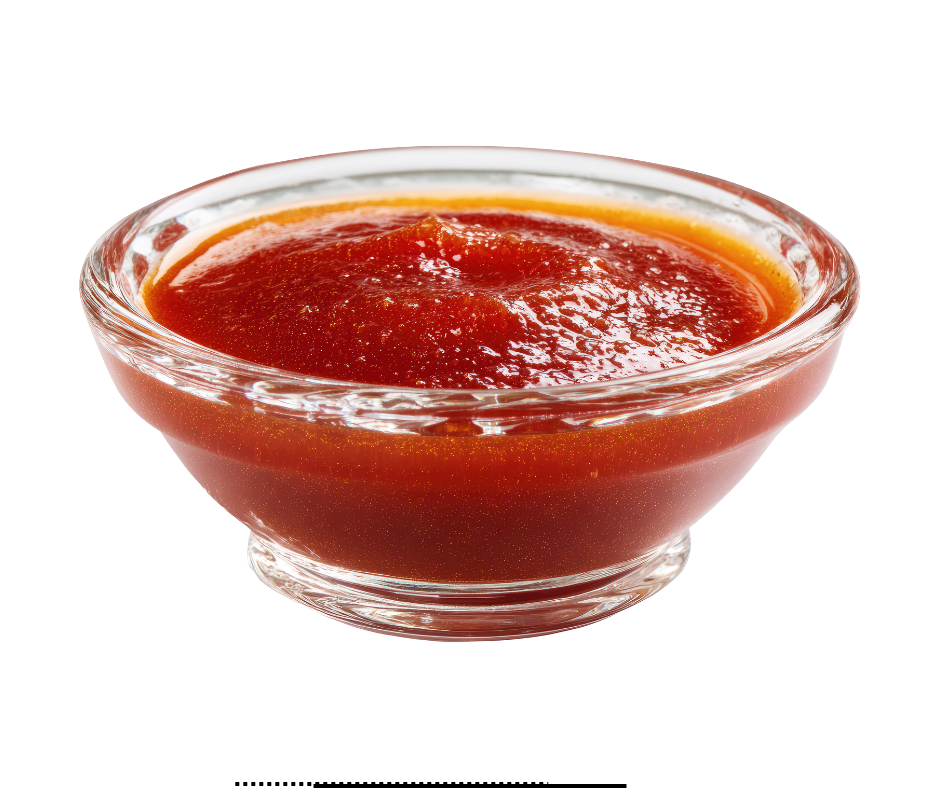
Buldak Hot Sauce, the Korean sensation that’s taken the culinary world by storm. Known for its intense heat and bold, savory flavors, this sauce is the ultimate game-changer in the spicy food realm.
Table of Contents
How to make Buldak Hot Sauce
Buldak Hot Sauce is a very spicy Korean chili sauce known for its intense heat and savory flavor. It comes from the Korean food brand Buldak, which became famous worldwide for its fiery instant noodles.
Ingredients
Here’s what you’ll need to create your homemade version of Buldak Hot Sauce:
For the Base
- 2 tbsp Korean gochugaru (red chili flakes): Gives the sauce its signature spicy and smoky profile. You can get this at most Asian grocery stores or online.
- 2 tbsp gochujang (Korean chili paste): The backbone of the sauce with depth from fermented chili paste.
- 2 tbsp soy sauce: Offers a salty, umami richness.
- 1 tbsp sesame oil: Adds nuttiness and smoothness.
- 1 tbsp honey (or corn syrup): Balances the heat with a touch of sweetness.
- 1 tsp sugar: For an extra hint of sweetness to complement the spice.
For the Signature “Chicken” Flavor
- 1/2 cup chicken broth (or water): Traditional Buldak combines the fire with chicken broth for added savoriness. Vegans can swap this out with vegetable broth for a similar effect.
- 1 tsp garlic powder: Enhances the flavor base.
- 1/2 tsp onion powder: Adds a subtle depth to the sauce.
Instructions
- Prepare the Sauce Base: Start by heating the sesame oil in a small saucepan over medium heat. Be careful not to let it burn.
- Once warm, add the garlic powder, onion powder, and gochugaru, stirring frequently to release their aroma.
- Build the Flavor: Add the gochujang, soy sauce, chicken broth (or water/vegetable broth), honey, and sugar to the pan. Stir well until the ingredients are combined into a smooth mixture.
- Let it simmer over medium-low heat for about 2–3 minutes. This allows the flavors to develop into a rich and cohesive sauce.
- Adjust Heat Level: Taste the sauce and adjust the spiciness to your preference. If you’d like it spicier, stir in a small amount of cayenne pepper or chili powder. For a milder version, add more honey or an extra splash of chicken broth to tone down the heat.
- Cool and Thicken: Remove the sauce from the heat and allow it to cool slightly. The sauce will thicken as it cools.
- Store or Serve Immediately: You can use your homemade Buldak Hot Sauce immediately, or transfer it to a clean jar or bottle for storage. It will keep in the refrigerator for up to 2 weeks. Shake or stir the sauce before serving.
Tips for Perfect Buldak Hot Sauce
- Quality Matters: Use authentic Korean ingredients like gochujang and gochugaru for the most authentic flavor. Substituting these with non-Korean alternatives can significantly impact the taste.
- Customize It: If you prefer a creamier variation, add a splash of heavy cream or milk to the sauce at the end and mix until incorporated. This will give you a “Carbonara Buldak” flavor, just like Samyang’s creamy noodle variation!
- Enhance the flavor profile by adding finely chopped fresh garlic during the first step instead of garlic powder for a bolder taste.
Ingredients Substitutes
Not everyone has access to traditional Korean ingredients like gochujang or gochugaru, and sometimes dietary preferences or availability may require some adjustments. The good news is that you can still whip up a Buldak-inspired hot sauce by using clever substitutes!
1. Gochujang (Korean Chili Paste)
Gochujang is the primary ingredient in Buldak Hot Sauce, providing its distinct spicy, savory, and slightly sweet flavor. It’s made from fermented soybeans, chili powder, glutinous rice, and salt, which results in its thick texture and umami-packed taste.
Substitutes for Gochujang:
- Chili Paste + Miso Paste: Mix 2 parts chili paste (like Sriracha or Sambal Oelek) with 1 part miso paste. The miso will replicate the fermented, savory element of gochujang.
- Sriracha or Sambal Oelek (alone): These chili pastes are available worldwide and will bring spice with a bit of tang. They lack the fermented depth of gochujang, but they work in a pinch.
- Homemade Gochujang Alternative: Blend 1 tbsp chili powder, 1/2 tsp soy sauce, 1/2 tsp sugar or honey, and a pinch of flour or cornstarch for thickness.
2. Gochugaru (Korean Red Chili Flakes)
Gochugaru is coarsely ground Korean chili powder. It’s smoky, moderately hot, and slightly sweet, giving the sauce its signature heat and depth without just being spicy for the sake of it.
Substitutes for Gochugaru:
- Crushed Red Pepper Flakes: Common in Western kitchens, these flakes are an easy substitute, but they’re spicier and don’t have the same sweetness as gochugaru. Use slightly less and adjust as needed.
- Smoked Paprika + Cayenne Pepper: Mix 1 tsp smoked paprika with 1/4 tsp cayenne for a smoky, spicy alternative. Smoked paprika imitates the smokiness of gochugaru, while cayenne adds heat.
- Aleppo Pepper Powder: This Middle Eastern spice has a milder heat and fruity flavor, similar to gochugaru. It works wonderfully if you can find it.
3. Soy Sauce (for Umami and Salinity)
Soy sauce is essential for bringing salt and umami to the sauce.
Substitutes for Soy Sauce:
- Tamari: A gluten-free alternative to soy sauce, often slightly richer in flavor.
- Coconut Aminos: A great substitute for those avoiding soy. It’s slightly sweeter, so you may want to reduce the honey or sugar in the recipe.
- Fish Sauce: If you want a stronger umami punch, use a small amount of fish sauce (about 1/4 the amount of soy sauce called for).
- Worcestershire Sauce: This can work in a pinch but has a tangier taste, so use less and adjust with other seasonings.
4. Sesame Oil (for Nutty Aromatics)
Sesame oil provides a rich, nutty flavor to the sauce.
Substitutes for Sesame Oil:
- Peanut Oil or Walnut Oil: Both of these offer a nutty aroma and can be used as a substitute.
- Olive Oil or Vegetable Oil: While these don’t have the nuttiness, they’ll still add the necessary fat to help emulsify the sauce. You can add a pinch of sesame seeds to the sauce to bring a subtle nuttiness.
5. Honey (for Sweetness)
Honey helps balance the heat and adds a touch of sweetness to the sauce.
Substitutes for Honey:
- Maple Syrup: Offers a similar sweetness but with a slight earthy taste.
- Brown Sugar: Use an equal amount for sweetness with a hint of molasses-like flavor. Dissolve it in the sauce for a smooth texture.
- Corn Syrup or Agave Syrup: Both work well as substitutes and keep the sauce consistent in texture.
6. Chicken Broth (for Flavor Base)
Chicken broth gives the sauce a savory depth that complements the heat and umami of the other ingredients.
Substitutes for Chicken Broth:
- Vegetable Broth: A suitable swap for those who are vegetarian or vegan.
- Water + a Pinch of Salt: If you’re out of broth, water with a little salt can work. Adding a bit of soy sauce or miso to the water will mimic the deeper flavor profile of broth.
- Dashi Broth: Made from kombu (kelp) and bonito flakes, this is a classic Japanese stock that provides savory, umami flavors similar to chicken broth.
7. Garlic Powder
Garlic powder provides an easy way to infuse the sauce without needing fresh garlic.
Substitutes for Garlic Powder:
- Fresh Garlic: Mince or grate 1 fresh garlic clove for every teaspoon of garlic powder. Sauté it in the sesame oil when starting the sauce for a stronger flavor.
- Garlic Paste: A great replacement, though you’ll want to adjust for saltiness.
8. Sugar (for Sweetness and Balance)
Sugar works alongside honey to round out the spice in the sauce.
Substitutes for Sugar:
- Brown Sugar: Great alternative that adds a hint of molasses flavor.
- Coconut Sugar: Offers a natural sweetness with a slightly earthy tone.
- Stevia/Erythritol: A low-calorie or keto-friendly substitute for those avoiding regular sugar. Be careful with amounts, as these are much sweeter than standard sugar.
Final Thoughts
There you have it—a homemade Buldak Hot Sauce recipe that’s bursting with the signature flavors of Korean heat and savory satisfaction. The best part about making it yourself? You get to tailor the spice level and ingredients to suit your personal preferences.
More Sauce Recipes:

Ingredients
For the Base
- 2 tbsp Korean gochugaru (red chili flakes)
- 2 tbsp gochujang (Korean chili paste)
- 2 tbsp soy sauce: Offers a salty, umami richness.
- 1 tbsp sesame oil: Adds nuttiness and smoothness.
- 1 tbsp honey (or corn syrup)
- 1 tsp sugar
For the Signature "Chicken" Flavor
- 1/2 cup chicken broth (or water)
- 1 tsp garlic powder
- 1/2 tsp onion powder
Instructions
- Prepare the Sauce Base: Start by heating the sesame oil in a small saucepan over medium heat. Be careful not to let it burn.
- Once warm, add the garlic powder, onion powder, and gochugaru, stirring frequently to release their aroma.
- Build the Flavor: Add the gochujang, soy sauce, chicken broth (or water/vegetable broth), honey, and sugar to the pan. Stir well until the ingredients are combined into a smooth mixture.
- Let it simmer over medium-low heat for about 2–3 minutes. This allows the flavors to develop into a rich and cohesive sauce.
- Adjust Heat Level: Taste the sauce and adjust the spiciness to your preference. If you'd like it spicier, stir in a small amount of cayenne pepper or chili powder. For a milder version, add more honey or an extra splash of chicken broth to tone down the heat.
- Cool and Thicken: Remove the sauce from the heat and allow it to cool slightly. The sauce will thicken as it cools.
- Store or Serve Immediately: You can use your homemade Buldak Hot Sauce immediately, or transfer it to a clean jar or bottle for storage. It will keep in the refrigerator for up to 2 weeks. Shake or stir the sauce before serving.