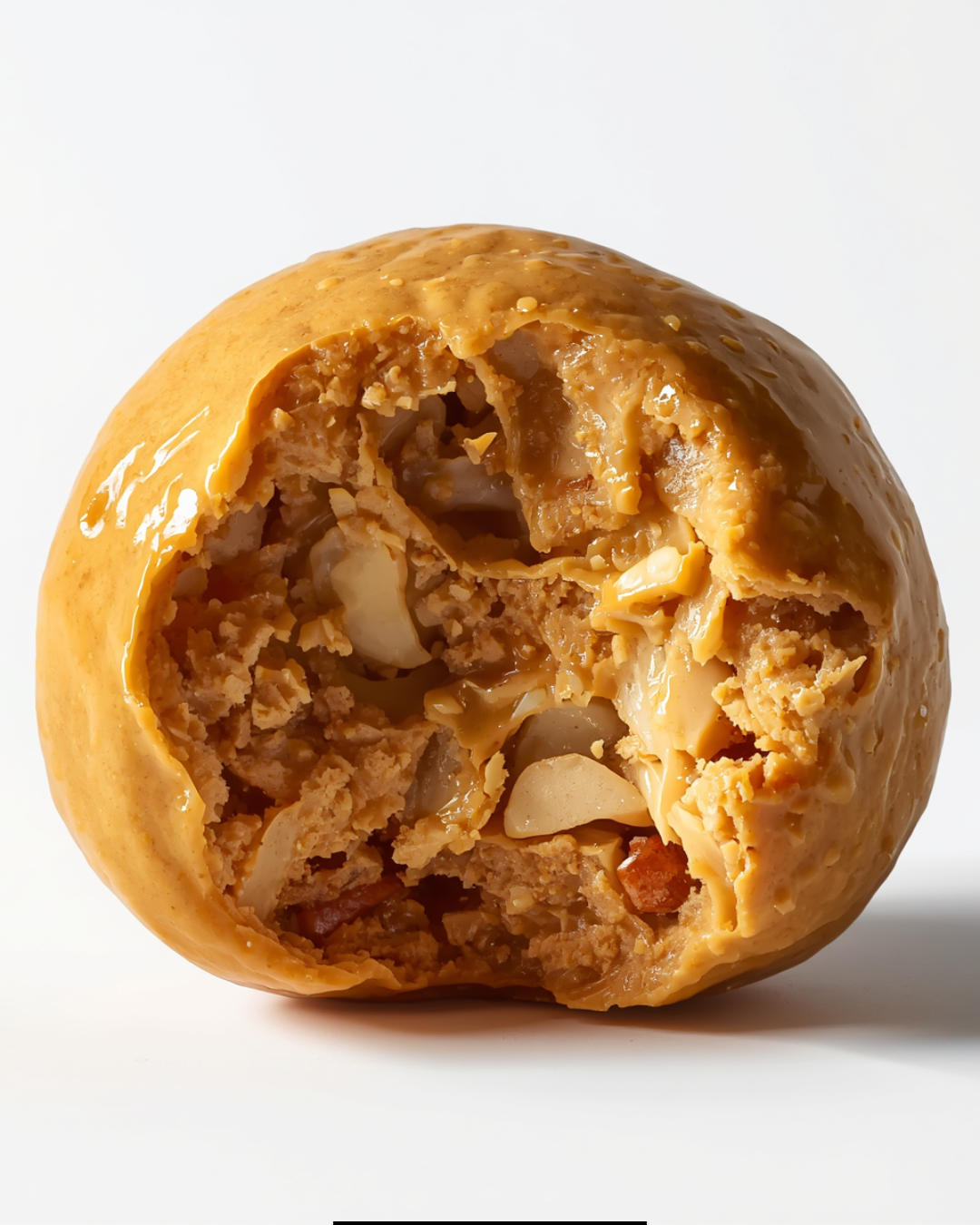
These Gluten-Free No-bake Peanut Butter Protein Balls are everything I love in a snack: simple to make, perfectly portioned, and endlessly customizable. Plus, you only need a handful of pantry staples to whip them up, no oven required (because who has the patience for that on a busy day?).
Table of Contents
How to make Gluten-Free No-bake Peanut Butter Protein Balls
Gluten-Free No-Bake Peanut Butter Protein Balls are small, bite-sized snacks made from simple ingredients that don’t require baking—and importantly, they contain no gluten. They’re popular as a quick energy boost, healthy dessert, or post-workout snack.
Ingredients
- Peanut Butter (½ cup)
- Gluten-Free Oats (1 cup)
- Protein Powder (1 scoop)
- Honey or Maple Syrup (¼ cup)
- Chia Seeds or Flaxseeds (2 tablespoons)
- Vanilla Extract (1 teaspoon, optional)
Instructions
Follow these simple steps to create delicious protein balls:
- Prep Your Ingredients: Measure out all your ingredients. If your peanut butter is too stiff, warm it slightly in the microwave for 20-30 seconds to make it easier to mix.
- Combine Ingredients: In a mixing bowl, stir together the peanut butter, honey (or maple syrup), and vanilla extract. Once combined, gradually add in the protein powder and gluten-free oats. Fold in the chia seeds (or flaxseeds) along with any optional add-ins like chocolate chips or dried fruit.
- Mix Until Combined: Stir the mixture until all the ingredients are evenly incorporated and form a thick, sticky dough. If the dough feels too dry, add a small splash of almond milk or water—just a little at a time—until the consistency is right for rolling.
- Shape the Balls: Using clean hands (or a small cookie scoop), roll portions of the dough into 1-inch balls. Place them on a baking sheet lined with parchment paper to prevent sticking.
- Chill to Set: Refrigerate the protein balls for 15-30 minutes until firm. The chilling allows them to set and hold their shape better.
- Store and Enjoy: Store the protein balls in an airtight container. Keep them in the refrigerator for up to one week, or freeze for up to three months for longer storage.
Tips for Perfect Protein Balls
- Adjust Consistency: If your mixture is too sticky, add a bit more gluten-free oats. If it’s too dry, increase the peanut butter or add a splash of almond milk until it feels right.
- Customizing the Flavor: Try different nut butters (almond, cashew) and protein powders (chocolate, vanilla, peanut butter) to change the profile of your protein balls.
- Use Clean Hands or Gloves: Rolling sticky dough can get messy! Washing your hands frequently or using gloves can make the process smoother.
- Double the Batch: These protein balls are ideal for meal prep, so consider doubling or tripling the recipe and freezing extras for busy weeks.
- Add Crunch: If you love texture, toss in crushed pretzels, nuts, or seeds for a crunchy twist.
- Keep It Vegan: Substitute honey with maple syrup, use a plant-based protein powder, and ensure your chocolate chips are dairy-free.
What to serve with
Gluten-Free No-Bake Peanut Butter Protein Balls are versatile snacks that pair wonderfully with a variety of beverages, accompaniments, and even other snacks, depending on the occasion.
1. Fresh Fruits
Gluten-Free No-bake Peanut Butter Protein Balls pair beautifully with fresh fruits to create a balanced and refreshing snack. Fruits provide natural sweetness, hydration, and additional nutrients. Some great options include:
- Berries (strawberries, blueberries, raspberries): Their tanginess complements the creamy richness of peanut butter.
- Bananas: Slice bananas to serve alongside protein balls for a subtle, natural sweetness.
- Apple Slices: Pair the protein balls with crisp apple slices for a satisfying crunch.
- Melons (watermelon, cantaloupe): Great for refreshing contrast and texture.
2. Yogurt or Greek Yogurt
To create a more filling snack or mini meal, pair the protein balls with a bowl of yogurt:
- Plain Greek Yogurt: High in protein and adds some creaminess to the mix.
- Dairy-Free Yogurt: Coconut or almond milk yogurt keeps the pairing gluten-free and dairy-free.
- Add toppings like granola, shredded coconut, or fruit slices to keep the yogurt bowl fun and dynamic!
Ingredients Substitutes
One of the best things about making Gluten-Free No-Bake Peanut Butter Protein Balls is how adaptable they are. If you’re missing an ingredient or need to cater to dietary preferences, there are plenty of simple substitutions you can make without compromising flavor or texture.
1. Peanut Butter
Peanut butter serves as both the binder and the flavor base for the recipe. However, there are several equally delicious substitutes you can use:
Alternatives:
- Almond Butter: A great substitute for a slightly milder and nuttier flavor. Works well for those avoiding peanuts.
- Cashew Butter: A creamier option for a slightly sweeter and more decadent taste.
- Sunflower Seed Butter: Perfect for those with nut allergies. It has a creamy texture and a nutty flavor.
- Tahini: Made from sesame seeds; it adds a unique, slightly earthy flavor to the protein balls.
- Coconut Butter: Adds a subtle coconut flavor, though it’s less binding, so you may need to adjust other ingredients for consistency.
2. Gluten-Free Oats
Oats are used as the binding base and provide the chewy texture in protein balls. However, some people avoid oats due to allergies or personal preference.
Alternatives:
- Quinoa Flakes: A high-protein alternative that mimics the texture of oats.
- Shredded Coconut: Unsweetened shredded coconut adds texture and a mild coconut flavor.
- Crushed Gluten-Free Cereal: Gluten-free rice cereal or cornflakes can serve as a crunchy substitute for oats.
- Chopped Nuts or Seeds: Use finely chopped almonds, walnuts, or sunflower seeds for a crunchier texture.
- Ground Flaxseeds: Provides fiber and omega-3s while helping with binding.
3. Protein Powder
Protein powder boosts the protein content and brings flavor to the recipe. If you don’t have or prefer not to use protein powder, some alternatives still work well.
Alternatives:
- Collagen Powder: A great option to boost protein if you don’t want a strong flavor. It’s also gluten-free.
- Nut Flours: Almond flour or coconut flour can mimic the texture and contribute protein, though you’ll need to adjust proportions to avoid dryness.
- Powdered Milk (Dairy or Dairy-Free): Choose a dairy-free powdered milk (like coconut or oat milk powder) for added creaminess.
- Greek Yogurt (Dehydrated or Small Amounts Fresh): If you prefer fresh yogurt, mix it sparingly (make sure the final mix isn’t too wet).
4. Honey or Maple Syrup
Honey or maple syrup is used as a natural sweetener and binding agent. If you’re out of those ingredients or want to try something else, there are plenty of options.
Alternatives:
- Agave Syrup: A vegan and mild-flavored sweetener with a similar texture to honey.
- Date Syrup: Adds sweetness with a slight caramel flavor and is packed with nutrients.
- Brown Rice Syrup: A less sweet option that works well as a thick binder for the balls.
- Coconut Nectar: A lower-glycemic option with a subtle coconut undertone.
- Stevia or Monk Fruit (Powders or Liquid Concentrates): These sugar-free sweeteners can be used for reduced-calorie options. If you go this route, you may need to slightly increase the amount of peanut butter or oats to maintain consistency.
5. Chia Seeds or Flaxseeds
Chia seeds and flaxseeds are used for their fiber and omega-3 benefits, and they help bind the protein balls. If you don’t have these on hand, some alternatives provide similar benefits.
Alternatives:
- Poppy Seeds: These tiny seeds can add texture and subtle nuttiness.
- Hemp Seeds: A high-protein option that complements the flavors well.
- Sesame Seeds: Adds texture and depth without altering the flavor much.
- Ground Nuts: If you’re looking to add fiber and texture, finely ground nuts like almonds or cashews work well.
6. Vanilla Extract
Vanilla adds a warm, sweet flavor to the protein balls. If you don’t have vanilla extract or want to experiment with different tastes, try the following substitutes.
Alternatives:
- Almond Extract: Provides a nutty flavor that pairs beautifully with peanut butter.
- Cinnamon or Nutmeg: Spices can add warmth and depth to the protein balls.
- Cocoa Powder: Unsweetened cocoa powder lends a chocolaty twist.
- Maple Extract: Add for an extra dose of sweetness and flavor.
Final Thoughts
Gluten-Free No-Bake Peanut Butter Protein Balls are a versatile snack that pairs beautifully with a variety of accompaniments, from fresh fruits and creamy yogurt to energizing smoothies and indulgent chocolate.
More No-Bake Recipes:

Ingredients
- Peanut Butter (½ cup)
- Gluten-Free Oats (1 cup)
- Protein Powder (1 scoop)
- Honey or Maple Syrup (¼ cup)
- Chia Seeds or Flaxseeds (2 tablespoons)
- Vanilla Extract (1 teaspoon, optional)
Instructions
- Prep Your Ingredients: Measure out all your ingredients. If your peanut butter is too stiff, warm it slightly in the microwave for 20-30 seconds to make it easier to mix.
- Combine Ingredients: In a mixing bowl, stir together the peanut butter, honey (or maple syrup), and vanilla extract. Once combined, gradually add in the protein powder and gluten-free oats. Fold in the chia seeds (or flaxseeds) along with any optional add-ins like chocolate chips or dried fruit.
- Mix Until Combined: Stir the mixture until all the ingredients are evenly incorporated and form a thick, sticky dough. If the dough feels too dry, add a small splash of almond milk or water—just a little at a time—until the consistency is right for rolling.
- Shape the Balls: Using clean hands (or a small cookie scoop), roll portions of the dough into 1-inch balls. Place them on a baking sheet lined with parchment paper to prevent sticking.
- Chill to Set: Refrigerate the protein balls for 15-30 minutes until firm. The chilling allows them to set and hold their shape better.
- Store and Enjoy: Store the protein balls in an airtight container. Keep them in the refrigerator for up to one week, or freeze for up to three months for longer storage.