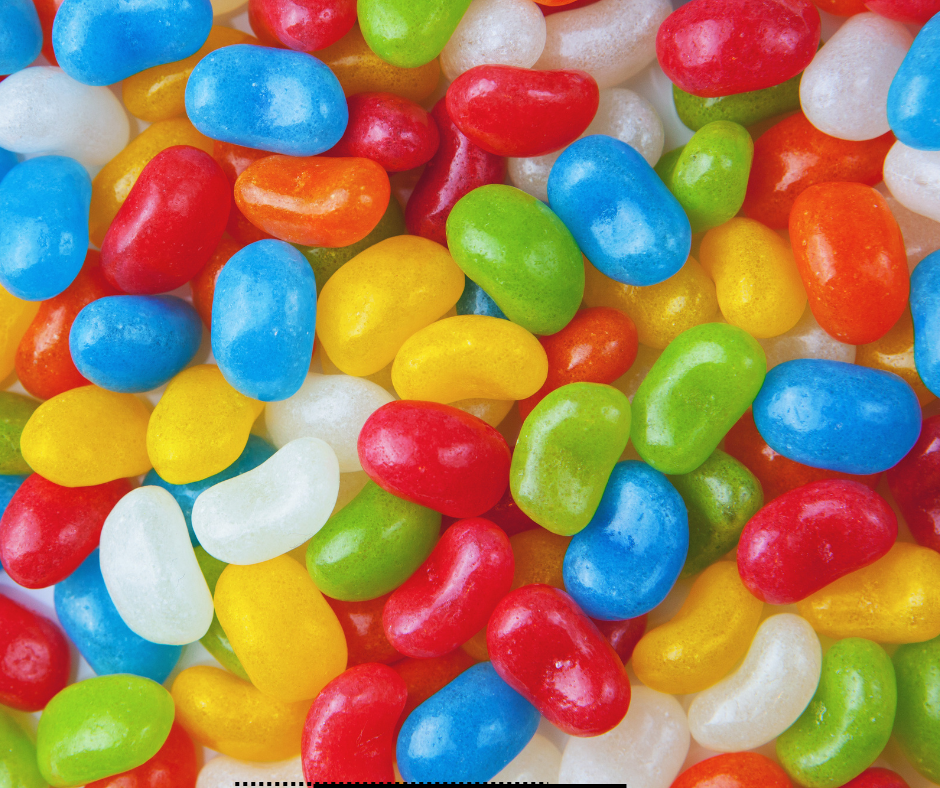
I’ve always been fascinated by the vibrant explosion of flavors these Jolly Rancher Jelly Beans deliver. That signature fruity punch is unmistakable, and turning them into jelly beans at home felt like the ultimate creative challenge.
Table of Contents
How to make Jolly Rancher Jelly Beans
Jolly Rancher Jelly Beans are a type of chewy jelly bean candy inspired by the bold fruit flavors of Jolly Rancher hard candies. They are typically made and sold by The Hershey Company, which owns the Jolly Rancher brand.
Ingredients
- 1 cup granulated sugar – For sweetness and texture.
- 1/2 cup light corn syrup – To add a chewy, smooth texture.
- 1/2 cup water – Helps dissolve the sugar and blend the flavors.
- 1 packet (7 grams) unflavored gelatin – The key to giving the candy its jelly-like consistency.
- Natural food coloring (gel-based is preferred) – To match the bright and bold Jolly Rancher colors.
- Jolly Rancher flavor oil or extract
- 1/2 cup granulated sugar – Used to coat the jelly beans and give them that signature outer texture.
Tools You’ll Need:
- Candy thermometer (to monitor temperature).
- Non-stick silicone molds (small ovals or pill shapes work best).
- Non-stick parchment paper or silicone baking sheet.
- Silicone spatula.
- Medium saucepan.
- Droppers or a squeeze bottle (optional, for filling molds more precisely).
Instructions
- Lay parchment paper or a silicone baking mat on your work surface.
- Arrange your silicone molds (if you’re using any) for easy access.
- In a medium saucepan, combine sugar, light corn syrup, and water.
- Heat the mixture over medium heat, stirring constantly, until the sugar dissolves completely.
- Insert a candy thermometer and increase the heat to medium-high (do not stir after this). Bring it to 240°F (soft-ball stage).
- Once the mixture reaches 240°F, carefully mix in the unflavored gelatin. The mixture will bubble slightly, so stir gently until fully dissolved.
- Divide the mixture into separate bowls for each flavor you want to make. Work quickly, as the mixture thickens as it cools.
- Add food coloring and flavor oil to each bowl. Use a few drops of flavoring and adjust based on your desired intensity. Stir gently until fully combined.
- Use a dropper or a spoon to carefully transfer the colored jelly mixture into the silicone molds. If you’re not using molds, drop small dollops of the mixture onto your parchment paper or baking mat.
- Let the jelly beans cool and set completely – this will take about 2-4 hours at room temperature.
- Once the jelly beans are firm, remove them from the molds or gently peel them off the parchment paper.
- Toss the Jolly Rancher Jelly Beans in granulated sugar to give them their signature shiny, textured coat.
Tips for Perfect Jelly Beans
- Work Quickly: Candy mixtures can harden as they cool, so make sure to add your colors and flavors and mold your candies within a limited time frame. Have everything prepared in advance to save time.
- Use Candy Oils, Not Extracts: Regular extracts (like vanilla extract for baking) don’t hold up well at high temperatures. Make sure to use candy oils designed for high-heat recipes for the best results.
- Experiment with Flavors: While you can stick to classic Jolly Rancher flavors like watermelon, blue raspberry, and green apple, feel free to experiment with your own custom combinations!
- Temperature is Key: Use a candy thermometer to monitor the cooking stage. Undercooking (below 240°F) will leave your jelly beans too soft, while overcooking will make them brittle rather than chewy.
- Storage: Store your Jolly Rancher Jelly Beans in an airtight container at room temperature. They can stay fresh and chewy for up to 2 weeks!
Ingredients Substitutes
If you’re planning to make Jolly Rancher Jelly Beans but don’t have all the ingredients on hand, don’t worry! Many of the original ingredients can be substituted with alternatives that are simpler to find or suited to your dietary preferences and needs.
1. Granulated Sugar
Purpose: Provides sweetness and structure to the jelly bean base.
Substitute Options:
- Caster Sugar (Superfine Sugar): Slightly finer granules than regular sugar, which can dissolve faster. Use the same amount as granulated sugar.
- Coconut Sugar: Offers a more natural, earthy sweetness, but it can slightly darken the final candy and change the flavor. Use the same amount as granulated sugar.
- Stevia or Monk Fruit Sugar (Low-Calorie Sweeteners): These work as healthier substitutes, but they lack the caramelization properties of sugar, which may alter the taste and texture. Use a sugar blend designed for baking that offers a 1:1 ratio replacement.
- Honey or Maple Syrup: These can add natural sweetness, but their moisture content can alter the texture of the jelly beans and make the mixture harder to set. Use ¾ cup honey or maple syrup for every 1 cup of sugar, and reduce the water slightly.
2. Light Corn Syrup
Purpose: Used to create a chewy, smooth texture and to prevent crystallization.
Substitute Options:
- Golden Syrup: A common corn syrup alternative, golden syrup is sweeter with a slight molasses flavor but works similarly. Use the same amount as corn syrup.
- Agave Syrup: A plant-based option, but it is thinner than corn syrup. Use slightly less than the recipe calls for (around 2/3 cup agave syrup for every 1 cup of corn syrup).
- Honey: A natural sweetener that works well as a replacement, but can slightly darken the color of the candy. Use the same amount of corn syrup as the recipe specifies.
- Glucose Syrup: Similar to corn syrup, this works just as well in candy-making. Use in a 1:1 ratio.
3. Water
Purpose: Helps dissolve the sugar and create the candy syrup.
Substitute Options:
No substitutions are necessary for this, as water is essential for dissolving sugar and binding ingredients evenly into the mixture. However, if you want to infuse extra flavor, you can replace some of the water with freshly squeezed fruit juice or flavored water for a richer taste.
4. Unflavored Gelatin
Purpose: The gelatin gives jelly beans their signature chewy, jelly-like texture.
Substitute Options:
- Agar-Agar Powder: A plant-based substitute for gelatin, made from seaweed. Use 1 teaspoon of agar powder for every packet (7 grams) of gelatin. Note that agar sets more firmly, so your jelly beans may lose some of their soft chewiness.
- Pectin: Found in fruits and often used in jam-making, pectin can be used as a vegan alternative. Use 2 teaspoons of pectin per packet of gelatin and combine it with a small amount of lemon juice to help it activate.
- Vegan Gelatin Products: Many brands now offer vegan gelatin alternatives that work in candy recipes. Follow the package instructions for the quantity needed.
5. Food Coloring (Gel-Based Recommended)
Purpose: Adds the vibrant colors iconic to Jolly Rancher candy.
Substitute Options:
- Natural Liquid Colorings: Derived from plants like beet juice (red), turmeric (yellow), or spirulina (green/blue). These are great for those avoiding artificial dyes but may produce softer, more muted colors.
- Powdered Food Coloring: Another great option, as it dissolves well and provides vivid colors.
- Skip It Altogether: If you prefer to avoid coloring agents, omit them. Your jelly beans will remain clear or slightly caramel-colored, depending on the syrup.
Final Thoughts
Making your own Jolly Rancher Jelly Beans at home is a wonderfully creative way to enjoy the iconic fruity flavors with a personal twist. It might take a couple of tries to get the texture and flavor to your exact liking, but the results are worth it!
More Beans Recipes:

Ingredients
- 1 cup granulated sugar
- 1/2 cup light corn syrup
- 1/2 cup water
- 1 packet (7 grams) unflavored gelatin
- Natural food coloring (gel-based is preferred)
- Jolly Rancher flavor oil or extract
- 1/2 cup granulated sugar
Instructions
- Lay parchment paper or a silicone baking mat on your work surface.
- Arrange your silicone molds (if you’re using any) for easy access.
- In a medium saucepan, combine sugar, light corn syrup, and water.
- Heat the mixture over medium heat, stirring constantly, until the sugar dissolves completely.
- Insert a candy thermometer and increase the heat to medium-high (do not stir after this). Bring it to 240°F (soft-ball stage).
- Once the mixture reaches 240°F, carefully mix in the unflavored gelatin. The mixture will bubble slightly, so stir gently until fully dissolved.
- Divide the mixture into separate bowls for each flavor you want to make. Work quickly, as the mixture thickens as it cools.
- Add food coloring and flavor oil to each bowl. Use a few drops of flavoring and adjust based on your desired intensity. Stir gently until fully combined.
- Use a dropper or a spoon to carefully transfer the colored jelly mixture into the silicone molds. If you’re not using molds, drop small dollops of the mixture onto your parchment paper or baking mat.
- Let the jelly beans cool and set completely – this will take about 2-4 hours at room temperature.
- Once the jelly beans are firm, remove them from the molds or gently peel them off the parchment paper.
- Toss the Jolly Rancher Jelly Beans in granulated sugar to give them their signature shiny, textured coat.