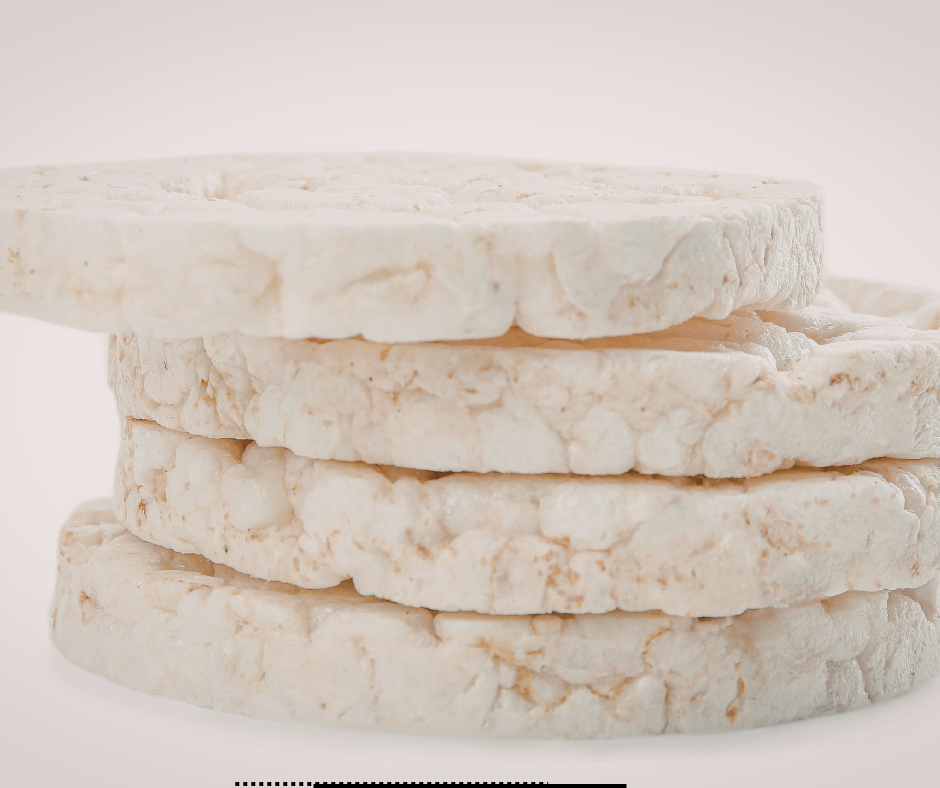
What’s so amazing about these handy circles of puffed perfection? They’re incredibly adaptable! Whether you prefer savory flavors like avocado and herbs or have an unapologetically sweet tooth (hello, peanut butter and chocolate chips!), there’s a recipe with Quaker Rice Cakes just waiting to be your new favorite. Plus, they’re gluten-free and low-calorie, meaning you can enjoy guilt-free snacking any time of the day.
Table of Contents
How to make Quaker Rice Cakes
Quaker Rice Cakes are a light, crispy snack made mainly from puffed whole-grain brown rice that has been compressed into round, crunchy cakes. They’re produced by the food company Quaker Oats Company, which is owned by PepsiCo.
Ingredients
- 2 cups of cooked rice (you can use white, brown, or even a blend of your choice)
- 1–2 tablespoons of water or oil (as needed for binding)
- A pinch of salt (for savory rice cakes)
- Dash of sugar, vanilla, or cinnamon (for sweet rice cakes)
- Sesame seeds, herbs, or spices for extra flair
Equipment
- Baking tray or nonstick pan
- Parchment paper or silicone baking mat
- A bowl for mixing
- A small round mold (optional, to shape the cakes neatly)
Instructions
- Preheat Your Oven: Preheat your oven to 375°F (190°C) and line a baking tray with parchment paper or a silicone baking mat. This will prevent the rice cakes from sticking to the pan while baking.
- Prepare the Rice Mixture: In a mixing bowl, take your cooked rice and break up any clumps using your fingers or a fork. If the rice feels too dry, add 1–2 tablespoons of water or a splash of oil to make it easier to mold. Optionally, add your desired seasonings (like salt, cinnamon, or herbs).
- Shape the Rice Cakes: Using your hands or a small mold, press a portion of the rice mixture into a flat, circular shape resembling a traditional rice cake. Aim for a thickness of about ¼ inch so the cakes will bake evenly and become crunchy. Arrange them neatly on the prepared baking tray, leaving some space between each piece.
- Bake the Rice Cakes: Place the tray into the preheated oven and bake the rice cakes for about 15–20 minutes on one side. Then carefully flip them over and bake for another 10–15 minutes, or until the rice cakes turn golden and the edges are crispy.
- Cool and Serve: Once baked, remove the rice cakes from the oven and allow them to cool on the tray. They will firm up as they cool down. Once completely cool, your homemade rice cakes are ready to enjoy!
Tips for Perfect Rice Cakes
- Rice Type Matters: Short-grain or sticky rice works best because it binds together more easily. However, you can experiment with other types of rice for different textures.
- Add Flavors Before Shaping: If you want more flavor, mix spices, herbs, or even grated cheese into the rice before shaping.
- Keep It Thin: Thinner rice cakes result in a crispier texture, while thicker ones will be chewier. Adjust according to your preference.
- Experiment with Toppings: Once your rice cakes are baked, you can use them as a base for endless toppings—try peanut butter and banana slices, avocado with a pinch of chili flakes, or even Nutella for a sweet treat!
- Storage: To keep your rice cakes crisp, store them in an airtight container at room temperature. They can last for up to 2–3 days but are best enjoyed fresh.
What to serve with
Quaker Rice Cakes are the perfect snack base because of their light, neutral flavor and crunchy texture. They can be sweet or savory, simple or gourmet, depending on how you dress them up.
Peanut Butter & Banana
- Spread a generous layer of peanut butter or almond butter on the rice cake.
- Top with banana slices and sprinkle with a dash of cinnamon or chia seeds for added texture.
Nutella & Strawberries
- Spread Nutella or any chocolate-hazelnut spread over the rice cake.
- Add sliced fresh strawberries on top for a fruity twist.
Honey-Yogurt Delight
- Spread plain or Greek yogurt on the rice cake.
- Drizzle with honey and sprinkle with chopped nuts (like walnuts, almonds, or pecans).
- Optional: Add a few blueberries or thinly sliced peaches for a fresh burst of flavor.
Cinnamon-Apple Rice Cake
- Top your rice cake with thinly sliced apples.
- Sprinkle it with cinnamon and a drizzle of maple syrup for a comforting treat.
Ingredients Substitutes
Making Quaker rice cakes at home allows for creativity with ingredients, particularly if you’re looking for substitutes that suit dietary, availability, or taste preferences.
1. Substituting the Rice
The key ingredient in Quaker Rice Cakes is, of course, rice. However, if you don’t have rice or want to experiment with other grains, there are great substitutes you can try.
Alternatives to Rice:
- Quinoa: Cooked quinoa works well as a rice substitute because it has a similar texture and can bind together when compressed. It’s also higher in protein and nutrients than traditional rice.
- Millet: This gluten-free grain has a slightly nuttier flavor than rice. It binds well and will give your rice cakes a firmer texture.
- Barley: Use cooked barley for a chewier, heartier texture. This option is not gluten-free but adds extra fiber.
- Rolled Oats: For a different texture and flavor, use oats. Mix rolled oats with water and a little oil to help them bake into a cohesive cake.
- Cauliflower Rice: For a low-carb alternative, substitute the rice with finely grated cauliflower (“cauliflower rice”). Mix it with a small amount of egg or binding agent to help it stick together.
2. Substituting Binding Agents
Binding agents help hold the rice (or other grains) together during baking or shaping. If a recipe calls for water or oil, but you’re looking for alternatives or improvements, here are some substitutes:
Natural Binders:
- Eggs: If your diet allows, mixing an egg into the cooked grains is an excellent way to bind ingredients. Eggs add a mild flavor and protein.
- Mashed Banana: For a slightly sweet, natural binder, it’s a good choice. Great for sweet Quaker Rice Cakes!
- Applesauce: Another sweet and sticky alternative, unsweetened applesauce adds moisture and natural sweetness while binding the grains together.
- Nut or Seed Butter: Adding a small amount of peanut butter, almond butter, or sunflower seed butter can act as a great binder, especially for sweet rice cakes.
- Vegetable Purees: Purees from sweet potatoes or butternut squash can also serve as a binder, adding nutrients and flavor.
- Flaxseed or Chia Seeds (“Egg Replacements” ): Combine 1 tablespoon of ground flaxseed or chia seeds with 2–3 tablespoons of water to create a gel that binds the rice together. This option is vegan, gluten-free, and full of omega-3 fatty acids.
3. Substituting Flavorings/Seasonings
Flavorings add depth to the rice cakes, whether you prefer sweet or savory. If you don’t have the specific sweeteners, salts, or seasonings mentioned in the recipe, here’s how you can substitute them:
Flavor Substitutes for Sweet Rice Cakes:
- Sugar Alternatives: Replace white sugar with brown sugar, coconut sugar, maple syrup, or honey for a natural, less-processed sweetness.
- Cinnamon: Not a substitute, per se, but if you’re out of cinnamon, you can use a mix of nutmeg, cardamom, and allspice for a warming flavor profile.
- Vanilla Extract: If you don’t have vanilla, almond extract or maple flavoring can be used for sweet, aromatic undertones.
- Cocoa Powder: Replace with carob powder if you’re avoiding chocolate but still crave that rich, sweet taste.
Flavor Substitutes for Savory Rice Cakes:
- Salt Alternatives: Swap traditional table salt for sea salt or pink Himalayan salt, or use soy sauce for added umami. For a low-sodium option, try nutritional yeast or herb blends.
- Herbs and Spices: For more variety, substitute parsley with cilantro, basil with oregano, or paprika with cayenne for different flavor profiles.
- Cheese Additions: Use dairy-free cheese if you’re vegan, or grated parmesan, cheddar, or pecorino for a cheesy kick in savory rice cakes.
4. Substituting Moisture Ingredients
To ensure the rice cakes don’t dry out, you may need a touch of moisture. Here are substitutes for adding moisture to the recipe:
- Vegetable Broth: A great alternative to plain water for absorbing flavor, particularly in savory rice cakes.
- Coconut Milk: Perfect in sweet recipes, coconut milk adds creaminess and a smooth texture.
- Olive Oil or Butter: If you’re avoiding oil, use melted vegan butter, ghee, or even avocado as a substitute for adding richness and a bit of fat to the mixture.
Final Thoughts
Making Quaker rice cakes at home is not only fun but a rewarding way to control the ingredients and flavor combinations to suit your preferences.
More Rice Recipes:

Ingredients
- 2 cups of cooked rice
- 1–2 tablespoons of water
- A pinch of salt (for savory rice cakes)
- Dash of sugar
- Sesame seeds
Instructions
- Preheat Your Oven: Preheat your oven to 375°F (190°C) and line a baking tray with parchment paper or a silicone baking mat. This will prevent the rice cakes from sticking to the pan while baking.
- Prepare the Rice Mixture: In a mixing bowl, take your cooked rice and break up any clumps using your fingers or a fork. If the rice feels too dry, add 1–2 tablespoons of water or a splash of oil to make it easier to mold. Optionally, add your desired seasonings (like salt, cinnamon, or herbs).
- Shape the Rice Cakes: Using your hands or a small mold, press a portion of the rice mixture into a flat, circular shape resembling a traditional rice cake. Aim for a thickness of about ¼ inch so the cakes will bake evenly and become crunchy. Arrange them neatly on the prepared baking tray, leaving some space between each piece.
- Bake the Rice Cakes: Place the tray into the preheated oven and bake the rice cakes for about 15–20 minutes on one side. Then carefully flip them over and bake for another 10–15 minutes, or until the rice cakes turn golden and the edges are crispy.
- Cool and Serve: Once baked, remove the rice cakes from the oven and allow them to cool on the tray. They will firm up as they cool down. Once completely cool, your homemade rice cakes are ready to enjoy!