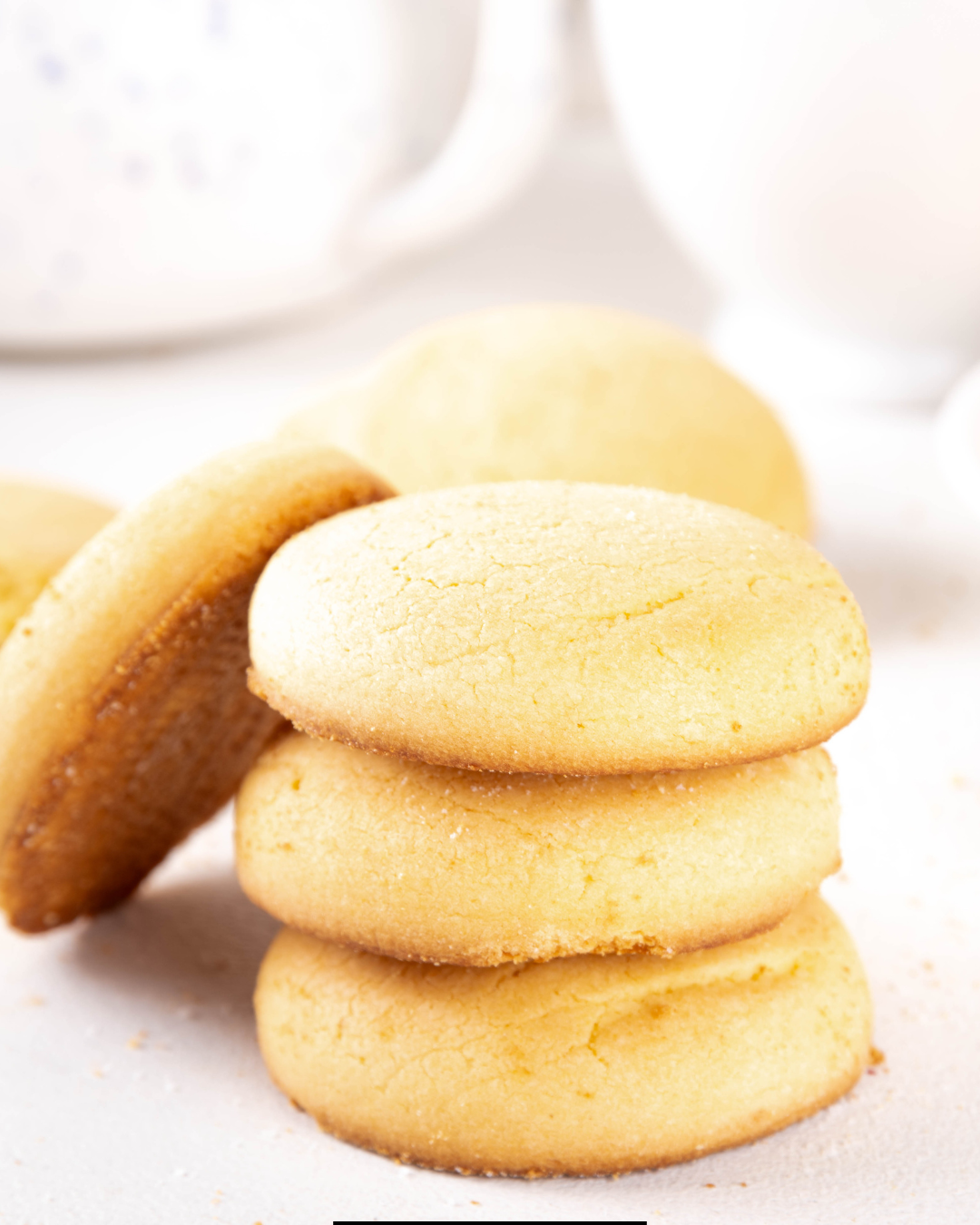
Sally’s Baking Addiction Shortbreads are simple yet indulgent, buttery without being too rich, and perfectly crumbly in a way that makes you savor every single bite. And if you’ve ever found yourself scrolling through baking blogs in search of that perfect shortbread recipe, chances are Sally’s Baking Addiction has already popped up on your radar.
Table of Contents
How to make Sally’s Baking Addiction Shortbread
Sally’s Baking Addiction shortbread is a type of homemade shortbread cookie recipe shared on the blog Sally’s Baking Addiction.
Ingredients
For one 9-inch round (or about 16 wedges or 20–24 small cookies):
- 1 cup (230 g) unsalted butter, softened to room temperature
- 2/3 cup (80 g) confectioners’ (powdered) sugar
- 1 teaspoon pure vanilla extract
- 1/4 teaspoon salt (use 1/2 teaspoon if using unsalted butter and you prefer a saltier shortbread)
- 2 cups (250 g) all-purpose flour, spooned and leveled
- 1–2 tablespoons granulated sugar for sprinkling on top before or after baking
- 1 teaspoon almond extract (replace some or all of the vanilla)
- 1 teaspoon lemon or orange zest
- 1/3 cup finely chopped nuts or chocolate (folded in at the end)
Equipment You’ll Need
- Mixing bowls
- Hand mixer or stand mixer (paddle attachment) – or a sturdy spatula/wooden spoon
- 9-inch round cake pan, tart pan, or square pan
- Parchment paper
- Sharp knife or bench scraper
- Fork (for docking/pricking the dough)
Instructions
1. Prepare Your Pan & Oven
- Preheat oven to 300°F (150°C). A lower temperature helps keep the shortbread pale and tender, not browned and crispy.
- Line your pan:
- Lightly grease your pan.
- Cut a circle (or square) of parchment to fit the bottom.
- Place parchment in the pan, then lightly grease the parchment too. This makes it easy to lift the shortbread out cleanly.
2. Cream the Butter and Sugar
- In a large bowl, add:
- 1 cup softened unsalted butter
- 2/3 cup confectioners’ sugar
- Using a mixer on medium speed, beat until:
- The mixture looks creamy, smooth, and slightly fluffy (about 2 minutes).
- Scrape down the sides and bottom of the bowl with a spatula as needed.
- Why this matters:
- Creaming incorporates just enough air for a light, tender crumb, but shortbread should still be dense and buttery—don’t overmix until it’s super fluffy like a cake batter.
3. Add Vanilla and Salt
- Beat in:
- 1 teaspoon vanilla extract
- 1/4 teaspoon salt (or 1/2 tsp if you like a saltier cookie and are using unsalted butter)
- Mix until combined.
- If you’re using almond extract or citrus zest, add them here as well.
4. Add the Flour
- Add the 2 cups (250 g) of flour all at once.
- Turn the mixer on low speed. Mix just until:
- The flour is mostly incorporated.
- The mixture looks crumbly and dry, but holds together if you pinch some in your fingers.
- If using nuts, chocolate, or other solid add-ins, fold them in gently with a spatula at this stage.
- Important: Do not keep mixing once the dough comes together. Overmixing develops gluten, which can make shortbread tough instead of tender and sandy.
5. Bring the Dough Together by Hand
- Shortbread dough often looks too dry at first—that’s normal.
- Use clean hands to gently press and squeeze the crumbs together in the bowl until you can form a soft dough ball or mound.
- If it’s extremely dry and won’t come together at all (unlikely but possible if the flour was packed):
- Add 1–2 teaspoons of milk or cream, just enough to help it bind.
- Mix gently by hand.
6. Press Dough into the Pan
- Transfer the dough to your prepared pan.
- Use your hands or the back of a measuring cup to:
- Press the dough firmly and evenly into the pan.
- Aim for an even thickness so it bakes uniformly.
- Smooth the top as much as you can; a flat surface bakes more evenly and looks pretty.
7. Score and Dock the Shortbread
- For that classic shortbread look and easier cutting:
- Use a sharp knife to score the surface into wedges or squares lightly:
- For a round pan: score into 8–16 wedges.
- For a square pan: score into even bars or squares.
- Don’t cut all the way through—just shallow lines.
- Use a fork to dock (prick) the dough all over:
- This helps steam escape.
- Reduces bubbling and keeps the surface flat.
- Adds that traditional shortbread style.
8. Bake Low and Slow
- Place the pan in your preheated 300°F (150°C) oven.
- Bake for about 35–45 minutes:
- The edges should look set and very lightly golden.
- The center should look dry, not shiny or doughy.
- Shortbread should not turn deep golden brown. It will remain quite pale with just a hint of color at the edges.
- Oven times vary; start checking around 30 minutes.
9. Sugar Sprinkle (Optional but Great)
- As soon as you remove the pan from the oven:
- If desired, sprinkle 1–2 tablespoons of granulated sugar evenly over the top.
- It will stick lightly to the warm surface, giving a subtle crunch and a pretty finish.
10. Re-Cut While Warm, Then Cool Completely
- While the shortbread is still warm and soft, follow your score lines with a knife and cut all the way through.
- Cutting when warm gives cleaner edges and reduces crumbling.
- Let the shortbread cool completely in the pan on a wire rack.
- Once cool, carefully lift out using the parchment and separate the pieces.
What to serve with
Shortbread cookies are wonderfully versatile on their own, but pairing them with complementary flavors and textures can take the experience to a whole new level.
1. Serve with Hot Beverages
Sally’s Baking Addiction shortbread pairs beautifully with warm, comforting drinks. Its buttery and slightly crumbly texture contrasts well with beverages that are slightly bitter, rich, or aromatic. Consider:
a) Tea
Classic pairings: English Breakfast, Earl Grey, or Darjeeling (the floral and citrus notes complement the buttery Sally’s Baking Addiction shortbread beautifully).
Herbal options: Peppermint, chamomile, or a spiced chai latte for a cozy combination.
b) Coffee
- Pair it with black coffee or espresso for a nostalgic café-style treat.
- Add a sweet touch with a caramel or vanilla latte, as the creamy and sweet notes balance the salty, buttery flavors of the shortbread.
c) Hot Chocolate
- Luxurious pairing: Thick, rich hot chocolate (European-style, made with melted chocolate and cream). Serve the shortbread as a dipping option for an indulgent treat.
- For flavor variations: Top your hot chocolate with whipped cream and sprinkle crushed shortbread cookies on top as an extra-special garnish!
2. Serve with Desserts
Sally’s Baking Addiction shortbread is often used as a base for desserts, but you can also serve the cookies as a sidekick to complete your dessert table.
a) Whipped Cream + Berries
Create a build-your-own shortbread dessert platter with bowls of:
- Lightly sweetened whipped cream (add a touch of vanilla or almond extract).
- Fresh berries like strawberries, raspberries, or blueberries.
- Encourage guests to layer shortbread, cream, and berries for a dessert that’s simple yet elegant.
b) Ice Cream
- Vanilla Ice Cream: A classic combo that allows the shortbread flavor to stand out.
- Caramel or Butterscotch Ice Cream: These deeper, richer flavors enhance the buttery notes of shortbread.
- Seasonal Ice Creams: Pistachio, lavender, or ginger ice cream adds gourmet flair. Crush the cookies over the top for crunch!
c) Custards or Puddings
- Vanilla Custard or Crème Anglaise: Serve a wedge of shortbread sitting atop creamy custard or as a sidecar.
- Chocolate Mousse: Pair the crumbly texture of shortbread with the silky consistency of mousse. You can even use shortbread wedges as edible “spoons.”
d) Lemon Desserts
- Lemon curd is a tried-and-true classic with shortbread. Spread it over the cookie or serve a dollop alongside.
- Shortbread can also complement lemon mousse, lemon bars, or tart fillings with its buttery, slightly salty profile.
Final Thoughts
Sally’s Baking Addiction shortbread is perfect because it’s just as delicious on its own as it is transformed into a show-stopping dessert centerpiece.

Ingredients
- 1 cup (230 g) unsalted butter, softened to room temperature
- 2/3 cup (80 g) confectioners’ (powdered) sugar
- 1 teaspoon pure vanilla extract
- 1/4 teaspoon salt
- 2 cups (250 g) all-purpose flour,
- 1–2 tablespoons granulated sugar
- 1 teaspoon almond extract
- 1 teaspoon lemon or orange zest
- 1/3 cup finely chopped nuts
Instructions
1. Prepare Your Pan & Oven
- Preheat oven to 300°F (150°C). A lower temperature helps keep the shortbread pale and tender, not browned and crispy.
- Line your pan:
- Lightly grease your pan.
- Cut a circle (or square) of parchment to fit the bottom.
- Place parchment in the pan, then lightly grease the parchment too. This makes it easy to lift the shortbread out cleanly.
2. Cream the Butter and Sugar
- In a large bowl, add:
- 1 cup softened unsalted butter
- 2/3 cup confectioners’ sugar
- Using a mixer on medium speed, beat until:
- The mixture looks creamy, smooth, and slightly fluffy (about 2 minutes).
- Scrape down the sides and bottom of the bowl with a spatula as needed.
- Why this matters:
- Creaming incorporates just enough air for a light, tender crumb, but shortbread should still be dense and buttery—don’t overmix until it’s super fluffy like a cake batter.
3. Add Vanilla and Salt
- Beat in:
- 1 teaspoon vanilla extract
- 1/4 teaspoon salt (or 1/2 tsp if you like a saltier cookie and are using unsalted butter)
- Mix until combined.
- If you’re using almond extract or citrus zest, add them here as well.
4. Add the Flour
- Add the 2 cups (250 g) of flour all at once.
- Turn the mixer on low speed. Mix just until:
- The flour is mostly incorporated.
- The mixture looks crumbly and dry, but holds together if you pinch some in your fingers.
- If using nuts, chocolate, or other solid add-ins, fold them in gently with a spatula at this stage.
- Important: Do not keep mixing once the dough comes together. Overmixing develops gluten, which can make shortbread tough instead of tender and sandy.
5. Bring the Dough Together by Hand
- Shortbread dough often looks too dry at first—that’s normal.
- Use clean hands to gently press and squeeze the crumbs together in the bowl until you can form a soft dough ball or mound.
- If it’s extremely dry and won’t come together at all (unlikely but possible if the flour was packed):
- Add 1–2 teaspoons of milk or cream, just enough to help it bind.
- Mix gently by hand.
6. Press Dough into the Pan
- Transfer the dough to your prepared pan.
- Use your hands or the back of a measuring cup to:
- Press the dough firmly and evenly into the pan.
- Aim for an even thickness so it bakes uniformly.
- Smooth the top as much as you can; a flat surface bakes more evenly and looks pretty.
7. Score and Dock the Shortbread
- For that classic shortbread look and easier cutting:
- Use a sharp knife to score the surface into wedges or squares lightly:
- For a round pan: score into 8–16 wedges.
- For a square pan: score into even bars or squares.
- Don’t cut all the way through—just shallow lines.
- Use a fork to dock (prick) the dough all over:
- This helps steam escape.
- Reduces bubbling and keeps the surface flat.
- Adds that traditional shortbread style.
8. Bake Low and Slow
- Place the pan in your preheated 300°F (150°C) oven.
- Bake for about 35–45 minutes:
- The edges should look set and very lightly golden.
- The center should look dry, not shiny or doughy.
- Shortbread should not turn deep golden brown. It will remain quite pale with just a hint of color at the edges.
- Oven times vary; start checking around 30 minutes.
9. Sugar Sprinkle (Optional but Great)
- As soon as you remove the pan from the oven:
- If desired, sprinkle 1–2 tablespoons of granulated sugar evenly over the top.
- It will stick lightly to the warm surface, giving a subtle crunch and a pretty finish.
10. Re-Cut While Warm, Then Cool Completely
- While the shortbread is still warm and soft, follow your score lines with a knife and cut all the way through.
- Cutting when warm gives cleaner edges and reduces crumbling.
- Let the shortbread cool completely in the pan on a wire rack.
- Once cool, carefully lift out using the parchment and separate the pieces.