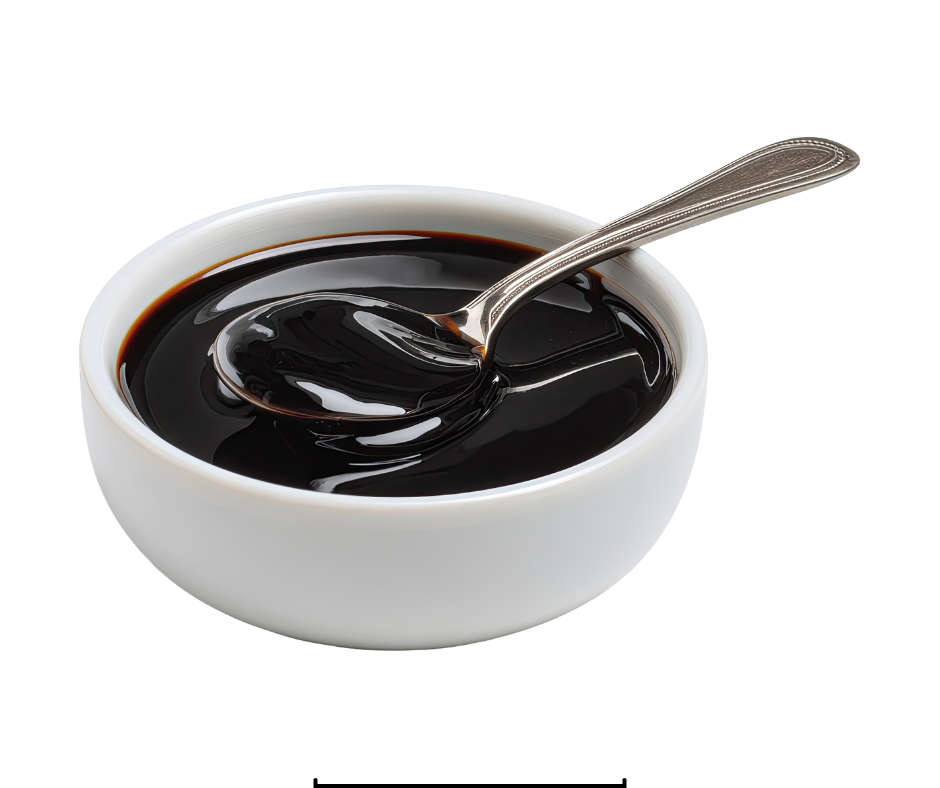
I’m sharing one of my favorite recipes using Trader Joe’s Soyaki – a dish that’s easy to make, packed with incredible flavor, and guaranteed to impress anyone at your table.
Table of Contents
How to make Trader Joe’s Soyaki
Trader Joe’s Soyaki is a popular bottled sauce and marinade sold at Trader Joe’s. It’s essentially a sweet-savory, teriyaki-style soy sauce that’s thicker and more flavorful than plain soy sauce — kind of like a hybrid of soy sauce and teriyaki with extra aromatics like garlic, ginger, and sesame.
Ingredients
- 1/2 cup soy sauce: Use regular or low-sodium, depending on your preference.
- 1/4 cup pineapple juice – Adds sweetness and acidity. Fresh or canned works!
- 3 tablespoons honey or brown sugar – For the signature sweet flavor.
- 1 tablespoon sesame oil – adds depth and richness to the flavor.
- 2 teaspoons grated fresh ginger – Helps create a zingy, aromatic base.
- 2 teaspoons minced garlic – Adds a punch of savory flavor.
- 1 tablespoon rice vinegar – Balances the sweetness with added tang.
- 1 tablespoon sesame seeds – For visual appeal and texture.
- Optional: 1 teaspoon cornstarch (mixed with 2 tablespoons water) – To thicken the sauce if needed.
Instructions
- Start with the base: In a medium saucepan, whisk together the soy sauce, pineapple juice, honey or brown sugar, sesame oil, and rice vinegar. Heat the mixture over medium heat, stirring occasionally to combine all the flavors.
- Add aromatics: Stir in freshly grated ginger, minced garlic, and sesame seeds. Let the mixture simmer gently for about 5-7 minutes, allowing the ingredients to infuse the sauce with flavor.
- Optional thickening: If you’d prefer a thicker sauce (perfect for sticky marinades or glazes), mix cornstarch and water in a separate bowl to make a slurry. Slowly add it to the simmering sauce while stirring constantly, and continue cooking until it reaches the desired consistency.
- Cool & store: Remove the sauce from the heat once it’s done cooking. Let it cool to room temperature and transfer it to a clean, airtight jar or container. Store in the refrigerator for up to 2 weeks.
Tips to Perfect Your Homemade Trader Joe’s Soyaki
- Sweetness adjustment: If you’d like the sauce less sweet, reduce the amount of honey or sugar. Alternatively, for more sweetness, a splash of maple syrup can do wonders too!
- Extra kick: Want a spicy variation? Add a teaspoon of sriracha, chili paste, or red pepper flakes to give your sauce some heat.
- Use fresh ingredients: For the best flavor, use fresh ginger and garlic instead of dried or powdered versions. The freshness will elevate the sauce’s complexity!
- Perfect pairings: Use this Soyaki substitute as a marinade for chicken, shrimp, pork, or tofu. It also works wonderfully as a stir-fry sauce or as a drizzle over steamed veggies and rice.
What to serve with
Trader Joe’s Soyaki is an incredibly versatile sauce that can elevate a variety of dishes. Its sweet, savory, tangy flavor makes it a perfect complement to proteins, vegetables, grains, and more.
Chicken
- Soyaki Chicken Stir-Fry: Toss bite-sized chicken pieces in Soyaki, sear them in a skillet, and add stir-fried vegetables like bell peppers, broccoli, and snap peas.
- Soyaki Marinated Grilled Chicken: Marinate chicken thighs or breasts in Soyaki for at least 30 minutes (or overnight). Grill or bake for tender, flavorful meat.
- Slow-Cooked Soyaki Chicken: Add Soyaki to a slow cooker with chicken thighs for a fall-apart tender dish. Serve over rice or noodles.
Beef
- Soyaki Beef Strips: Stir-fried beef strips with a Soyaki glaze are perfect when paired with steamed jasmine rice and sautéed vegetables.
- Meatballs with Soyaki: Use Soyaki as a dipping sauce or marinade for homemade teriyaki meatballs.
Pork
- Soyaki Pork Chops: Brush Soyaki over pork chops while grilling or baking for a sticky, caramelized finish.
- Soyaki Pulled Pork: Slow-cook pork in Soyaki, shred it, and use it for sliders or soft tacos.
Seafood
- Soyaki Salmon: Marinate salmon fillets with Soyaki, then grill, bake, or pan-sear. The sweet and tangy flavor complements the richness of salmon beautifully.
- Shrimp Stir-Fry: Stir-fry shrimp with Soyaki, garlic, and ginger for a quick and delicious meal.
- Soyaki Glazed Tuna Steaks: Brush Soyaki onto tuna steaks during grilling for a restaurant-quality meal.
Vegetarian/Vegan Proteins
- Soyaki Tofu: Marinate firm tofu in Soyaki, then grill, bake, or pan-fry. It pairs perfectly with rice and lots of veggies.
- Soyaki Tempeh: Slice tempeh into strips, marinate in Soyaki, and sauté for a savory vegan option.
- Edamame: Toss edamame in Soyaki for a simple and flavorful appetizer or side dish.
Ingredients Substitutes
If you want to replicate Trader Joe’s Soyaki sauce at home but don’t have all the ingredients listed, don’t worry! There are plenty of substitutes you can use to create a sauce that’s just as flavorful and versatile.
Substitutes for Soy Sauce
- Tamari: This is a gluten-free alternative and offers a similar richness to soy sauce.
- Coconut Aminos: Slightly sweeter and less salty, coconut aminos are a perfect substitute for those avoiding soy.
- Liquid Aminos: Made from soy protein, it’s lighter than traditional soy sauce but still carries that savory flavor.
- Worcestershire Sauce: For a tangy, umami kick (use sparingly if you choose this).
- Sweetness: Pineapple Juice, Honey, or Brown Sugar
Substitutes for Pineapple Juice
- Orange Juice: If you don’t have pineapple juice, orange juice adds a similar citrusy sweetness.
- Apple Juice: Less tangy, but adds gentle sweetness—you may need to add a splash of vinegar for acidity.
- Lime Juice + Sugar: Combine lime juice with sugar to mimic the sweet-tart pineapple flavor.
Substitutes for Honey or Brown Sugar
- Maple Syrup: Adds natural sweetness with a slight earthy tone—perfect for a more complex flavor.
- Agave Syrup: A lighter, vegan-friendly sugar syrup substitute for honey.
- White Sugar + Water: Dissolve white sugar in water as a simple alternative.
Substitutes for Pineapple Juice
- Orange Juice: If you don’t have pineapple juice, orange juice adds a similar citrusy sweetness.
- Apple Juice: Less tangy, but adds gentle sweetness—you may need to add a splash of vinegar for acidity.
- Lime Juice + Sugar: Combine lime juice with sugar to mimic the sweet-tart pineapple flavor.
Substitutes for Honey or Brown Sugar
- Maple Syrup: Adds natural sweetness with a slight earthy tone—perfect for a more complex flavor.
- Agave Syrup: A lighter, vegan-friendly sugar syrup substitute for honey.
- White Sugar + Water: Dissolve white sugar in water as a simple alternative.
Final Thoughts
The beauty of Trader Joe’s Soyaki is its adaptability. Regardless of what you’re serving—whether it’s a protein-heavy dish, vibrant vegetables, or noodles—it brings harmony and a burst of flavor to your plate.
More Recipes:

Ingredients
- 1/2 cup soy sauce
- 1/4 cup pineapple juice
- 3 tablespoons honey
- 1 tablespoon sesame oil
- 2 teaspoons grated fresh ginger
- 2 teaspoons minced garlic
- 1 tablespoon rice vinegar
- 1 tablespoon sesame seeds
- Optional: 1 teaspoon cornstarch
Instructions
- Start with the base: In a medium saucepan, whisk together the soy sauce, pineapple juice, honey or brown sugar, sesame oil, and rice vinegar. Heat the mixture over medium heat, stirring occasionally to combine all the flavors.
- Add aromatics: Stir in freshly grated ginger, minced garlic, and sesame seeds. Let the mixture simmer gently for about 5-7 minutes, allowing the ingredients to infuse the sauce with flavor.
- Optional thickening: If you’d prefer a thicker sauce (perfect for sticky marinades or glazes), mix cornstarch and water in a separate bowl to make a slurry. Slowly add it to the simmering sauce while stirring constantly, and continue cooking until it reaches the desired consistency.
- Cool & store: Remove the sauce from the heat once it’s done cooking. Let it cool to room temperature and transfer it to a clean, airtight jar or container. Store in the refrigerator for up to 2 weeks.