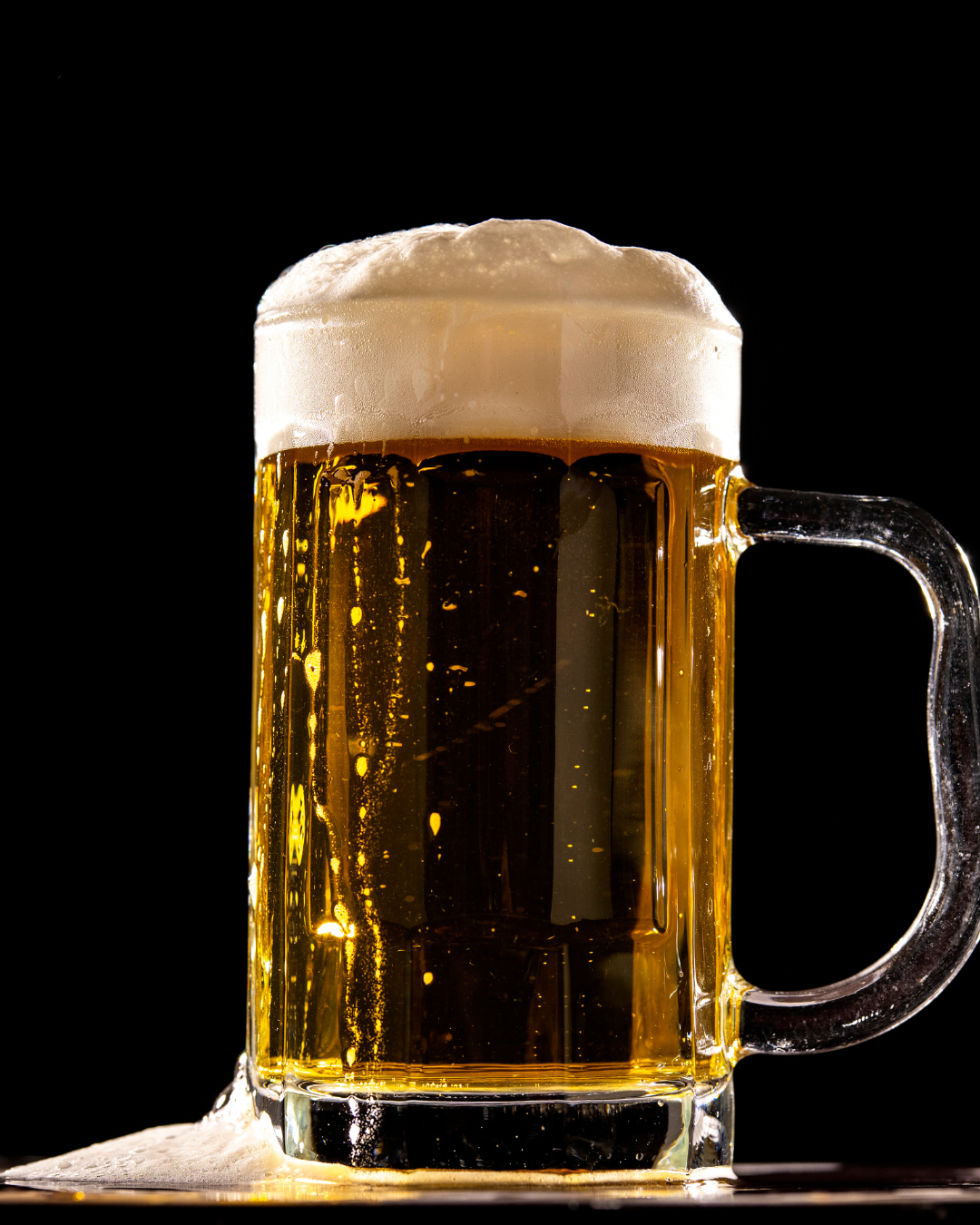
For decades, Schlitz was synonymous with quality, and the essence of that reputation lies in the carefully crafted formula that gave the beer its refreshing, balanced taste. As someone who’s intrigued by what makes classics stand the test of time, I couldn’t resist exploring the Schlitz Beer recipe that made Schlitz such a household name in the first place.
Table of Contents
How to make Schlitz Beer
Schlitz beer is a historic American beer brand that originated in Milwaukee, Wisconsin. It was first brewed in the 1800s by the Joseph Schlitz Brewing Company and became one of the most popular beers in the United States during the early mid 20th century.
Ingredients
Grains (Malts)
- 7 lbs. (3.2 kg) of Pilsner malt – This serves as the base malt for a clean, light body.
- 1 lb. (0.45 kg) of Flaked Corn (Maize) – A nod to American adjunct lagers; it lightens the body and adds crispness.
- 0.5 lb. (0.23 kg) of Carapils malt (dextrine malt) – For improved head retention and a subtle sweetness.
Hops
- 1 oz. Cluster hops (bittering) – Schlitz historically used Cluster hops as the primary hop for bitterness.
- 0.5 oz. Saaz hops (aroma/flavor, added late in the boil) – Adds mild spice and floral notes.
Yeast
- American Lager Yeast (e.g., SafLager W-34/70) – Produces a clean, crisp fermentation consistent with traditional lagers.
Other Ingredients
- 4.5 gallons (17 L) of filtered water – Use soft water for better results.
- Priming sugar (for carbonation, if bottling).
Brewing Instructions
Step 1: Prepare Your Mash
- Heat your water to around 150°F (66°C).
- Add the crushed Pilsner malt, flaked corn, and Carapils malt to your mash tun.
- Hold the temperature steady at 150°F (66°C) for 60 minutes for optimal starch conversion into fermentable sugars.
- Once mashing is complete, perform a sparge by rinsing the grains with hot water (165°F/74°C) to collect around 6.5 gallons (24.6 L) of wort.
Step 2: Boil Your Wort
- Bring your wort to a boil (60 minutes).
- Add 1 oz. of Cluster hops at the start of the boil (bittering addition).
- With 10 minutes left in the boil, add 0.5 oz. of Saaz hops. This gives you the mild spicy and floral aroma that’s characteristic of historical American lagers.
Step 3: Chill and Ferment
- After the boil, chill your wort quickly to around 50°F (10°C) using an immersion chiller or other chilling method.
- Transfer the cooled wort to a sanitized fermenter.
- Pitch your lager yeast into the wort and seal the fermenter.
- Ferment at 50-55°F (10-13°C) for about 2-3 weeks. Lager yeast works best at cooler temperatures, so maintaining this range is important.
Step 4: Lagering (Cold Conditioning)
- Once fermentation is complete, transfer your beer to a secondary fermenter or keg.
- Lager (cold condition) the beer at about 32-40°F (0-4°C) for 4-6 weeks. This step smooths out flavors and creates the clean finish classic lagers are known for.
Step 5: Carbonate and Bottle/Keg
- If bottling, mix priming sugar into the beer before transferring to bottles. Allow bottles to carbonate for about 2 weeks at room temperature.
- If kegging, use CO₂ to force carbonate.
- You’re now ready to enjoy your Schlitz-inspired homebrew!
Brewing Tips
- Maintain Cleanliness: Sanitation is key for larger brewing, as the long fermentation and cold storage can allow unwanted bacteria to flourish if you’re not careful.
- Temperature Control: Lager yeast thrives at cooler temperatures. If you don’t have a dedicated fermentation chamber or fridge, consider brewing a similar ale-style beer using a yeast like California common yeast as an alternative.
- Water Profile: Milwaukee’s soft water is one reason its lagers stood out. If your water is hard, use a reverse osmosis (RO) system or distilled water with brewing salts adjusted for a soft profile.
- Experiment with Ingredients: Schlitz became famous for balancing drinkability and flavor—feel free to play with slight adjustments in hop additions or corn proportions to suit your taste.
What to serve with
Schlitz Beer is a classic American lager, known for its crisp, clean profile, subtle sweetness, and refreshing drinkability. These qualities make it an incredibly versatile beer when it comes to pairing with food.
1. Classic American Comfort Foods
Since Schlitz is an iconic American beer, it pairs beautifully with classic comfort foods. Its light body and mild taste work well with rich, salty, or greasy dishes that are staples of American cuisine.
- Cheeseburgers: A juicy cheeseburger topped with melted cheddar, crispy lettuce, and perhaps a hint of tangy pickles complements the light carbonation of Schlitz. The Schlitz Beer’s crispness cuts through the richness of the beef and cheese for a balanced bite.
- Hot Dogs or Brats: These iconic beer companions are perfect with Schlitz’s malty, slightly sweet profile. Add mustard, sauerkraut, or relish to enhance the flavor pairing.
- Chicken Wings: Whether you’re serving them buffalo-style, barbecue, or even fried, the refreshing nature of Schlitz helps to balance the spiciness or heaviness of the wings.
2. Salty Snacks
Nothing pairs with the light, crisp notes of Schlitz Beer quite like salty snacks. Serving Schlitz alongside any of these will be a crowd-pleaser:
- Pretzels: Soft or hard pretzels, especially when served with mustard or cheese dip, pair beautifully with Schlitz’s clean malt flavor.
- Potato Chips: The salty, crispy crunch of basic or kettle-cooked potato chips matches the beer’s simplicity and makes for an easy combination.
- Popcorn: Buttered or salted popcorn is a simple pairing for casual drinking and highlights the beer’s refreshing qualities.
- Nuts: Roasted peanuts, almonds, or even spiced nuts provide a salty, protein-rich snack that pairs perfectly with Schlitz’s mild bitterness.
Ingredients Substitutes
While Schlitz adheres to the traditional profile of a crisp, clean American lager, you can still achieve a similar flavor by substituting key ingredients wisely.
1. Malt Substitutes
Malts form the backbone of any beer recipe, and Schlitz relies heavily on Pilsner malt as the base. However, there are alternatives if Pilsner malt or specific adjuncts, like flaked corn, aren’t readily accessible.
Base Malt (Pilsner Malt)
The original Schlitz recipe uses Pilsner malt, which offers a clean and pale flavor ideal for a refreshing lager. If you can’t find Pilsner malt:
Substitute: Use American 2-Row Pale Malt.
- While slightly darker than Pilsner malt, 2-row pale malt provides a similar clean finish and good fermentability.
- Adjust mash temperatures to ensure a balance of body and flavor.
Flaked Corn
Flaked corn (maize) was an integral part of Schlitz’s formulation as an adjunct to improve drinkability and lighten the beer’s body. If you can’t find flaked corn:
Substitute: Use Rice (flaked or syrup).
- Flaked rice offers a similar effect, creating a crisp and light body while acting as a neutral adjunct.
- Rice syrup is another substitute, though it may slightly alter the sweetness profile.
Carapils Malt
Carapils is added for head retention and a subtle sweetness.
Substitute: Use Crystal 10°L Malt or Honey Malt.
- Crystal 10°L provides a mild sweetness and light golden color, while Honey Malt adds a mellow sweetness that complements the lager’s balance.
- Be mindful not to overuse substitutes, as they can alter the beer’s final mouthfeel.
2. Hop Substitutes
The traditional Schlitz beer recipe relies on Cluster hops for bitterness and Saaz hops for aroma/flavor. If these hops are unavailable, consider using alternatives that still maintain the recipe’s intended flavor profile.
Cluster Hops (Bittering)
Cluster hops are a staple of historic American lagers, offering mild bitterness and earthy notes. If you can’t source Cluster hops:
Substitute: Use Northern Brewer hops or Willamette hops.
- Northern Brewer provides a slightly herbal bitterness similar to Cluster hops.
- Willamette adds mild floral and earthy tones, making it an excellent substitute.
Saaz Hops (Aroma/Flavor)
Saaz hops are a central ingredient in many lagers, offering subtle spicy and floral aromatics. If Saaz hops are unavailable:
Substitute: Use Hallertau hops or Tettnang hops.
- Hallertau hops are aromatic and delicately spicy, closely mimicking Saaz.
- Tettnang hops add mild floral notes with excellent balance for lagers.
General Hop Consideration
When substituting hops, aim for similar alpha acid percentages (AA%) to maintain bitterness levels. Cluster hops typically have 5-8% AA, while Saaz hops have a lower AA of around 3-5%.
3. Yeast Substitutes
Schlitz uses a lager yeast strain, which works best at low fermentation temperatures to produce a clean, crisp beer profile. If you can’t find lager yeast or lack temperature control for lager fermentation:
Substitute: Use California Common Yeast (e.g., Wyeast 2112).
California Common Yeast is a hybrid strain that ferments cleanly at higher temperatures (58–68°F), making it ideal for producing lager-like beers without the need for precise cold conditioning.
Alternative Substitute: Use American Ale Yeast (e.g., Safale US-05).
While this will result in a beer closer to an ale than a lager, its clean fermentation character produces a similar light and drinkable profile.
Final Thoughts
Schlitz Beer has stood the test of time as a universal beer for all occasions, making it a fantastic companion to a variety of foods.
More Drink Recipes:

Ingredients
Grains (Malts)
- 7 lbs. (3.2 kg) of Pilsner malt
- 1 lb. (0.45 kg) of Flaked Corn (Maize)
- 0.5 lb. (0.23 kg) of Carapils malt (dextrine malt)
Hops
- 1 oz. Cluster hops (bittering)
- 0.5 oz. Saaz hops (aroma/flavor, added late in the boil)
Yeast
- American Lager Yeast (e.g., SafLager W-34/70)
Other Ingredients
- 4.5 gallons (17 L) of filtered water
- Priming sugar (for carbonation, if bottling).
Instructions
Step 1: Prepare Your Mash
- Heat your water to around 150°F (66°C).
- Add the crushed Pilsner malt, flaked corn, and Carapils malt to your mash tun.
- Hold the temperature steady at 150°F (66°C) for 60 minutes for optimal starch conversion into fermentable sugars.
- Once mashing is complete, perform a sparge by rinsing the grains with hot water (165°F/74°C) to collect around 6.5 gallons (24.6 L) of wort.
Step 2: Boil Your Wort
- Bring your wort to a boil (60 minutes).
- Add 1 oz. of Cluster hops at the start of the boil (bittering addition).
- With 10 minutes left in the boil, add 0.5 oz. of Saaz hops. This gives you the mild spicy and floral aroma that's characteristic of historical American lagers.
Step 3: Chill and Ferment
- After the boil, chill your wort quickly to around 50°F (10°C) using an immersion chiller or other chilling method.
- Transfer the cooled wort to a sanitized fermenter.
- Pitch your lager yeast into the wort and seal the fermenter.
- Ferment at 50-55°F (10-13°C) for about 2-3 weeks. Lager yeast works best at cooler temperatures, so maintaining this range is important.
Step 4: Lagering (Cold Conditioning)
- Once fermentation is complete, transfer your beer to a secondary fermenter or keg.
- Lager (cold condition) the beer at about 32-40°F (0-4°C) for 4-6 weeks. This step smooths out flavors and creates the clean finish classic lagers are known for.
Step 5: Carbonate and Bottle/Keg
- If bottling, mix priming sugar into the beer before transferring to bottles. Allow bottles to carbonate for about 2 weeks at room temperature.
- If kegging, use CO₂ to force carbonate.
- You’re now ready to enjoy your Schlitz-inspired homebrew!
Discover more from Heavnly Foods
Subscribe to get the latest posts sent to your email.