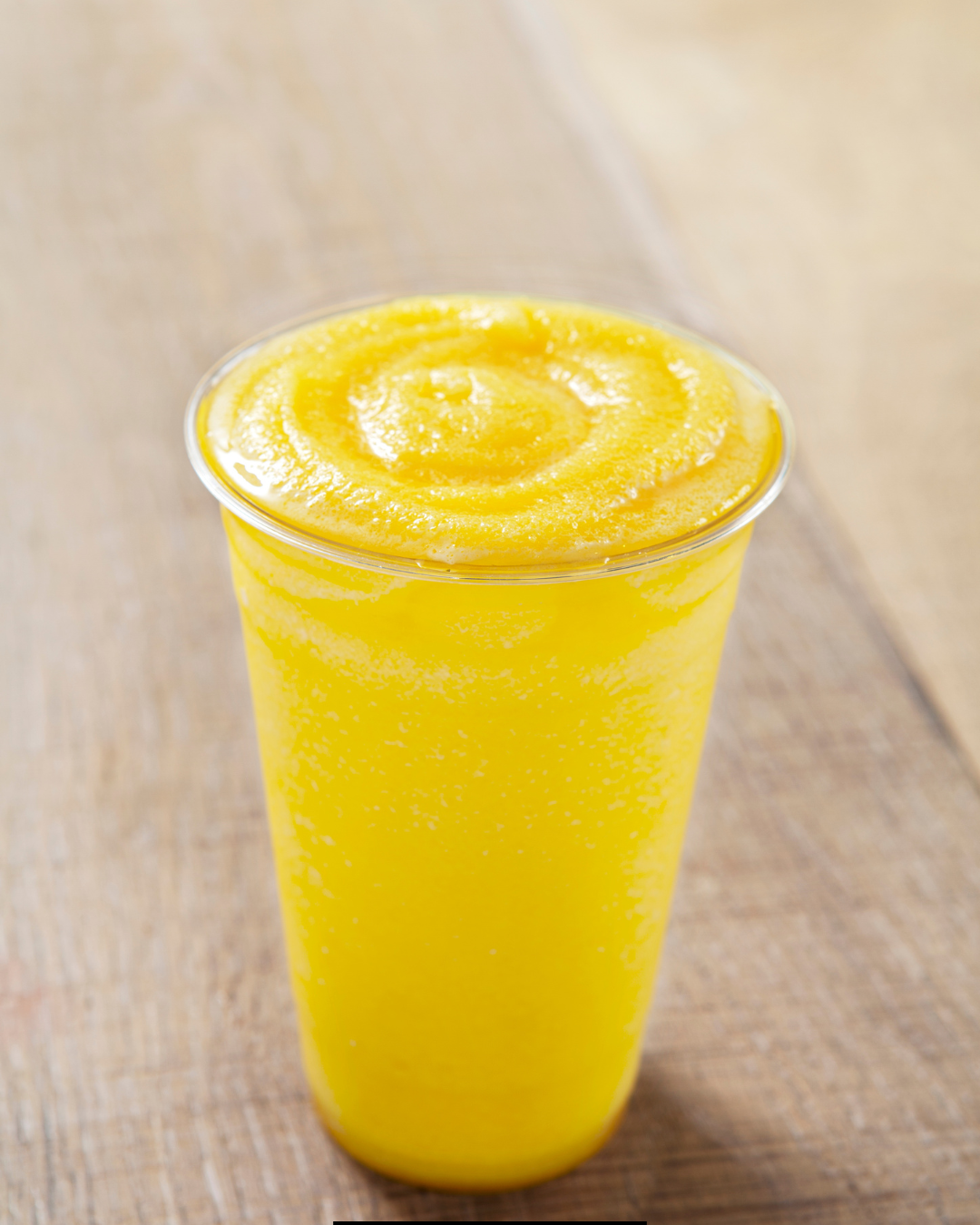
This No-Yogurt Mango Smoothie is perfect for anyone with dietary restrictions, those who want something less rich, or simply if you’re out of yogurt but not willing to give up on your smoothie dreams. Plus, it’s unbelievably versatile—you can customize it with plant-based milk, fruits, or even a dash of spice depending on your mood!
Table of Contents
How to make No-Yogurt Mango Smoothie
A No-Yogurt Mango Smoothie is a type of mango smoothie made without yogurt, but still creamy, refreshing, and naturally sweet.
Ingredients
1. Mango (1 cup, frozen or fresh chunks)
2. Liquid Base (1 cup): Almond milk
3. Banana (1 small or medium, ripe):
4. Sweetener (Optional):1 tablespoon of honey
5. Ice Cubes (Optional, ~1/2 cup)
Optional Add-Ins:
- Spices: A pinch of cinnamon or cardamom enhances the tropical flavors.
- Protein Boost: Add a scoop of your favorite protein powder for a post-workout snack.
- Superfoods: Chia seeds, flaxseeds, or a handful of spinach for an extra nutrient boost.
- Coconut flakes: Sprinkle on top for a tropical garnish.
Instructions
- If using fresh mango, peel and chop it into chunks.
- Slice your ripe banana.
- Measure out your chosen liquid base.
- In a high-powered blender, combine the following ingredients:
- 1 cup mango chunks.
- 1 cup of your chosen liquid (e.g., almond milk, water, or fruit juice).
- 1 ripe banana (or alternative sweetener, if substituting).
- Optional: Add 1/2 cup ice cubes for a frosty texture.
- Blend all the ingredients for about 30–60 seconds, or until the mixture is completely smooth and creamy. Scrape down the sides if needed.
- Taste the smoothie to check its sweetness and consistency.
- If it’s too thick, add a splash more liquid and blend.
- If it isn’t sweet enough, add a little honey, maple syrup, or a soaked date.
- Pour your smoothie into a tall glass, add a straw, and enjoy immediately. You can also garnish with coconut flakes or a sprig of mint for that extra special touch.
Tips for Making the Best No-Yogurt Mango Smoothie
- Use ripe mangoes: For maximum flavor, opt for ripe mangoes that are naturally sweet and juicy. If using frozen mango, it saves prep time and gives the smoothie a thick, ice-cream-like texture.
- Banana as a Yogurt Substitute: Banana works as a natural thickener and sweetener in place of yogurt. If you dislike bananas, try avocado for creaminess without compromising on smooth texture.
- Chill Your Ingredients: If you want a super cold smoothie without adding ice cubes (which can dilute the flavor), refrigerate or freeze your ingredients ahead of time.
- Experiment with Flavors: This recipe is incredibly versatile! Add extras like pineapple chunks, a squeeze of lime, or even a handful of spinach to customize your smoothie.
- Blend in Steps: Start blending with just the liquids and fruits first, especially if your blender isn’t very powerful. Then add ice cubes or additional hard ingredients at the end.
- Double or Triple the Recipe: Make extra and store portions in an airtight container in the fridge for up to 24 hours. Shake before drinking.
- Upgrade to a Smoothie Bowl: If you want a thicker smoothie, reduce the liquid and blend until scoopable. Pour into a bowl and top with granola, chia seeds, or fresh fruits for a hearty snack.
Ingredients Substitutes
There are plenty of ingredient substitutions you can try when making a No-Yogurt Mango Smoothie.
1. Mango Substitutes:
Mango is undeniably the star of this recipe, but if you’re unable to find mango or want to switch things up, these fruits work great as replacements:
- Pineapple: Adds a tropical, tangy flavor similar to mango. Use fresh or frozen chunks.
- Peach: If you’re looking for a milder sweetness, ripe peaches are a fantastic alternative.
- Papaya: Offers a similar creamy texture and tropical sweetness as mango.
- Apricot or Nectarine: These bring natural sweetness with a slightly firmer texture.
- Frozen Mixed Tropical Fruits: Store-bought bags of mango, pineapple, and passionfruit blends can work as a convenient substitute.
2. Liquid Base Substitutes:
The liquid base is what gives the smoothie its smooth, drinkable consistency. Here are some alternatives if you don’t have your usual choice on hand:
Plant-Based Milk:
- Almond Milk: A mild, nutty option that enhances creaminess without overpowering the mango.
- Oat Milk: Adds a naturally creamier texture, making it an excellent non-dairy substitution.
- Coconut Milk: Adds a deep, tropical flavor that pairs beautifully with mango. Use canned (for a richer result) or carton (lighter consistency).
- Soy Milk: A protein-packed, slightly thicker liquid that works well.
- Regular Milk (if not dairy-free): Whole milk, skim milk, or even lactose-free milk can work perfectly for a creamier smoothie.
- Orange Juice: Adds a citrusy twist and complements the mango.
- Pineapple Juice: Intensifies the tropical flavors.
- Apple Juice: A sweeter, less tangy alternative.
- Water: If you prefer a lighter smoothie, plain cold water is also a great option. Just note that it won’t add any extra creaminess or sweetness.
3. Banana Substitutes:
Banana serves two purposes in a mango smoothie: it adds natural sweetness and contributes to a creamy texture. If you’re not a fan of bananas or need an alternative, try the following:
- Avocado: Provides creaminess without any strong flavor. Use 1/4 to 1/2 of a ripe avocado.
- Soaked Cashews: Blend 6-8 cashews for a creamy, nutty texture. Soak them in water for 10-15 minutes before blending.
- Frozen Cauliflower Florets: Surprising, but true! Cauliflower creates a creamy base with almost no flavor and adds extra nutrients.
- Coconut Cream: A small spoonful of canned coconut cream can replace a banana’s creaminess while adding richness.
- Other Fruits for Sweetness: Frozen or fresh peaches, pears, or apples can act as natural sweeteners.
Final Thoughts
A No-Yogurt Mango Smoothie is a testament to how simple ingredients can create something truly delicious. It’s quick, healthy, and endlessly customizable, making it perfect for breakfast, a mid-day snack, or even a guilt-free dessert.
More Smoothie Recipes:

Ingredients
1. Mango (1 cup, frozen or fresh chunks)
2. Liquid Base (1 cup): Almond milk
3. Banana (1 small or medium, ripe):
4. Sweetener (Optional):1 tablespoon of honey
5. Ice Cubes (Optional, ~1/2 cup)
Optional Add-Ins:
- Spices: A pinch of cinnamon
- Protein Boost
- Superfoods: Chia seeds
- Coconut flakes
Instructions
- If using fresh mango, peel and chop it into chunks.
- Slice your ripe banana.
- Measure out your chosen liquid base.
- In a high-powered blender, combine the following ingredients:
- 1 cup mango chunks.
- 1 cup of your chosen liquid (e.g., almond milk, water, or fruit juice).
- 1 ripe banana (or alternative sweetener, if substituting).
- Optional: Add 1/2 cup ice cubes for a frosty texture.
- Blend all the ingredients for about 30–60 seconds, or until the mixture is completely smooth and creamy. Scrape down the sides if needed.
- Taste the smoothie to check its sweetness and consistency.
- If it’s too thick, add a splash more liquid and blend.
- If it isn’t sweet enough, add a little honey, maple syrup, or a soaked date.
- Pour your smoothie into a tall glass, add a straw, and enjoy immediately. You can also garnish with coconut flakes or a sprig of mint for that extra special touch.
Discover more from Heavnly Foods
Subscribe to get the latest posts sent to your email.