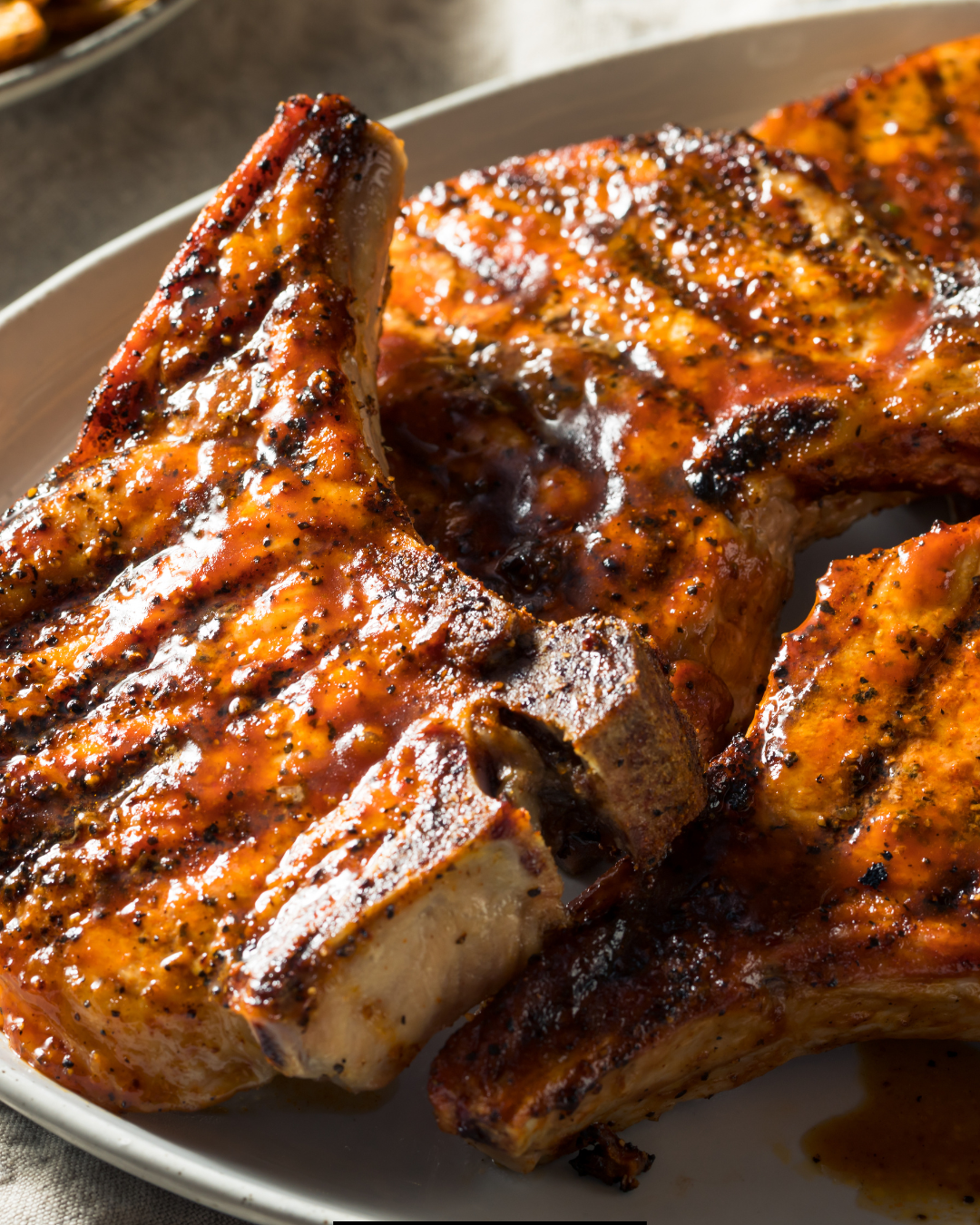
When it comes to taking simple dishes and turning them into restaurant-worthy masterpieces, who better to guide us than the legendary Gordon Ramsay? The Gordon Ramsay Pork Chop recipe isn’t just about technique; it’s about creating a symphony of flavors that bursts to life in your kitchen.
Trust me, once you’ve tried this method, your idea of pork chops will never be the same.
Table of Contents
How to make Gordon Ramsay Pork Chop
Gordon Ramsay Pork Chop is a chef-style pork chop dish inspired by the cooking methods of Gordon Ramsay, typically made by searing a thick pork chop at high heat and finishing it with butter, garlic, and fresh herbs to create a crisp exterior and juicy interior.
Ingredients
Here’s what you’ll need to recreate Gordon Ramsay pork chop recipe:
For the Pork Chops:
- 2-4 thick-cut bone-in pork chops (about 1–1 ½ inches thick)
- Salt and freshly ground black pepper, to season
- 2 tablespoons olive oil
For Added Flavor:
- 3-4 garlic cloves, crushed or sliced
- Fresh herbs like rosemary or thyme sprigs (or a combination of both)
- 2-3 tablespoons unsalted butter
Optional for Pan Sauce:
- ½ cup chicken stock or beef stock
- ¼ cup dry white wine
- 1 teaspoon Dijon mustard (optional, for tangy depth)
- 1 tablespoon smooth flour (for a thicker sauce)
Instructions
Step 1: Preparing the Pork Chops
- Bring to Room Temperature: Remove the pork chops from the refrigerator about 20-30 minutes before cooking. This helps them cook evenly.
- Season Generously: Pat the pork chops dry with a paper towel and season both sides liberally with salt and freshly ground black pepper.
Step 2: Searing the Pork Chops
- Heat the Pan: Pour olive oil into a heavy-bottom skillet (a cast-iron pan works best) and heat over medium-high until it shimmers but does not smoke.
- Sear the Pork: Add the pork chops to the skillet and sear for 2-3 minutes on each side. Avoid overcrowding the pan—cook in batches, if needed.
- Pro Tip: Resist the urge to move or flip the pork chops constantly. Let them sit undisturbed so they form a golden crust.
Step 3: Infusing Flavor
- Add Garlic and Herbs: Once the pork chops are beautifully golden, add crushed garlic cloves and fresh sprigs of rosemary or thyme to the pan. These aromatics will perfume your pork chops with irresistible flavors.
- Baste with Butter: Add 2-3 tablespoons of unsalted butter to the skillet. Tilt the pan slightly and continuously spoon the melted butter over the chops to keep them juicy and flavorful.
Step 4: Finishing the Cooking
- Lower Heat: Reduce the heat to medium or medium-low and continue cooking the pork chops for 4–6 minutes, depending on their thickness. Use a meat thermometer to check for doneness—your target is an internal temperature of 145°F (63°C).
- Rest the Meat: Once cooked, remove the pork chops from the pan and let them rest for 5 minutes. Resting allows the juices to redistribute and keeps the meat tender.
Step 5: Making a Pan Sauce (Optional)
- Deglaze the Pan: With the pork chops resting, keep the skillet on the stove. Add chicken stock or dry white wine to the pan, scraping up all those delicious browned bits stuck to the bottom.
- Finish the Sauce: Let the liquid reduce for 1-2 minutes. Whisk in Dijon mustard (optional), then smooth in flour to thicken, stirring until the sauce is silky. If desired, add a splash of cream for extra richness.
- Taste and Adjust: Season the sauce to taste with salt and pepper.
Step 6: Plating and Serving
- Assemble: Place the pork chops on a plate and spoon the flavorful sauce on top.
- Pair the Dish: Serve alongside roasted vegetables, mashed potatoes, or a crispy salad for a complete meal.
Tips for Perfect Gordon Ramsay Pork Chop
- Choose the Right Cut: Thick-cut, bone-in pork chops are the best for this recipe. They cook more evenly and retain more moisture and flavor.
- Temperature Matters: Let the pork chops sit at room temperature before cooking, and always use a meat thermometer to ensure they are cooked to the desired doneness.
- Don’t Skip the Resting: Resting the pork chops is crucial for preserving their juiciness.
- Layer Flavors: Garlic, herbs, and butter are key to bringing out the best flavors. Don’t skimp on these aromatic ingredients!
- Adjust Your Sauce: If making a pan sauce, keep tasting and tweaking—it’s all about balance. Add a pinch of sugar if the sauce feels too acidic or sharp.
Ingredients Substitutes
If you’re excited to cook Gordon Ramsay pork chop recipe but are missing some of the recommended ingredients, don’t worry! There are plenty of substitutes you can use without sacrificing flavor.
Substitute for Pork Chops
1. Bone-In vs. Boneless Pork Chops
Why Bone-In is Preferred: Bone-in chops retain more moisture and flavor, making them ideal for a juicy, tender dish.
Substitute Suggestion: If you only have boneless pork chops, they’ll work too—just be extra careful not to overcook. Reduce the cooking time slightly and keep an eye on the internal temperature (145°F or 63°C is the goal).
2. Pork Alternatives
If pork isn’t an option for dietary or personal reasons, you can replace it with another protein:
Chicken Thighs or Breasts: Bone-in, skin-on chicken thighs work particularly well since they have a similar fatty richness. Adjust the cooking time accordingly (chicken should reach an internal temperature of 165°F or 74°C).
Lamb Chops: Lamb has an earthy flavor that pairs beautifully with the butter, garlic, and herbs in this recipe.
Turkey Cutlets: These are leaner but can serve as a pork alternative, especially when paired with a richer side to balance the meal.
Substitute for Butter
1. Clarified Butter or Ghee
Why It Works: Clarified butter or ghee has a higher smoke point than regular butter, making it ideal for high-heat cooking. It will provide the same rich, nutty flavor as regular butter.
2. Olive Oil or Avocado Oil
Why It Works: If you’re avoiding dairy, olive oil or avocado oil are excellent substitutes for butter. They’re both flavorful and perform well in high-heat basting, although they won’t give you the same creamy finish as butter.
Substitute for Olive Oil
1. Canola or Vegetable Oil
Why It Works: These oils are neutral and suitable for high-temperature cooking, but won’t add as much flavor as olive oil.
2. Coconut Oil
Why It Works: Refined coconut oil is a good substitute, though it adds a slight sweetness that might not pair well with savory dishes unless used subtly.
Substitutes for Garlic
1. Garlic Powder
Why It Works: Sprinkle garlic powder into the pan to infuse the chops with a garlicky aroma. Use about ¼ teaspoon of garlic powder per clove of garlic the recipe calls for.
2. Shallots or Onion
Why It Works: If you’re out of garlic, shallots or onions can provide a milder but similar aromatic quality. Thinly slice and sauté them alongside the pork.
3. Cumin or Garlic-Infused Oil
Why It Works: For a slightly spicy yet aromatic alternative, cumin can enhance the flavor, or you can use garlic-infused oil for convenience.
Substitutes for Fresh Herbs (Rosemary and Thyme)
1. Dried Herbs
Why It Works: Dried rosemary and thyme can work in place of fresh herbs. Use about 1 teaspoon of dried herbs for every tablespoon of fresh herbs, as dried herbs are more concentrated.
Pro Tip: Add dried herbs earlier in the cooking process to allow time for their flavor to infuse the butter and oil.
2. Other Fresh Herbs
If you don’t have rosemary or thyme, try these substitutes:
- Sage: A robust herb that pairs beautifully with pork.
- Oregano: Offers a slightly earthy, peppery flavor. Works well in place of thyme.
- Parsley: While milder in flavor, parsley adds a nice freshness to the dish when used as a garnish.
3. Herb Mixes
Herbes de Provence or Italian Seasoning can be used to replicate the flavor profile of rosemary or thyme.
Final Thoughts
This Gordon Ramsay pork chop recipe is perfect for a cozy family dinner or even entertaining guests. It’s simple yet elegant, striking a balance between classic comfort and elevated cooking.