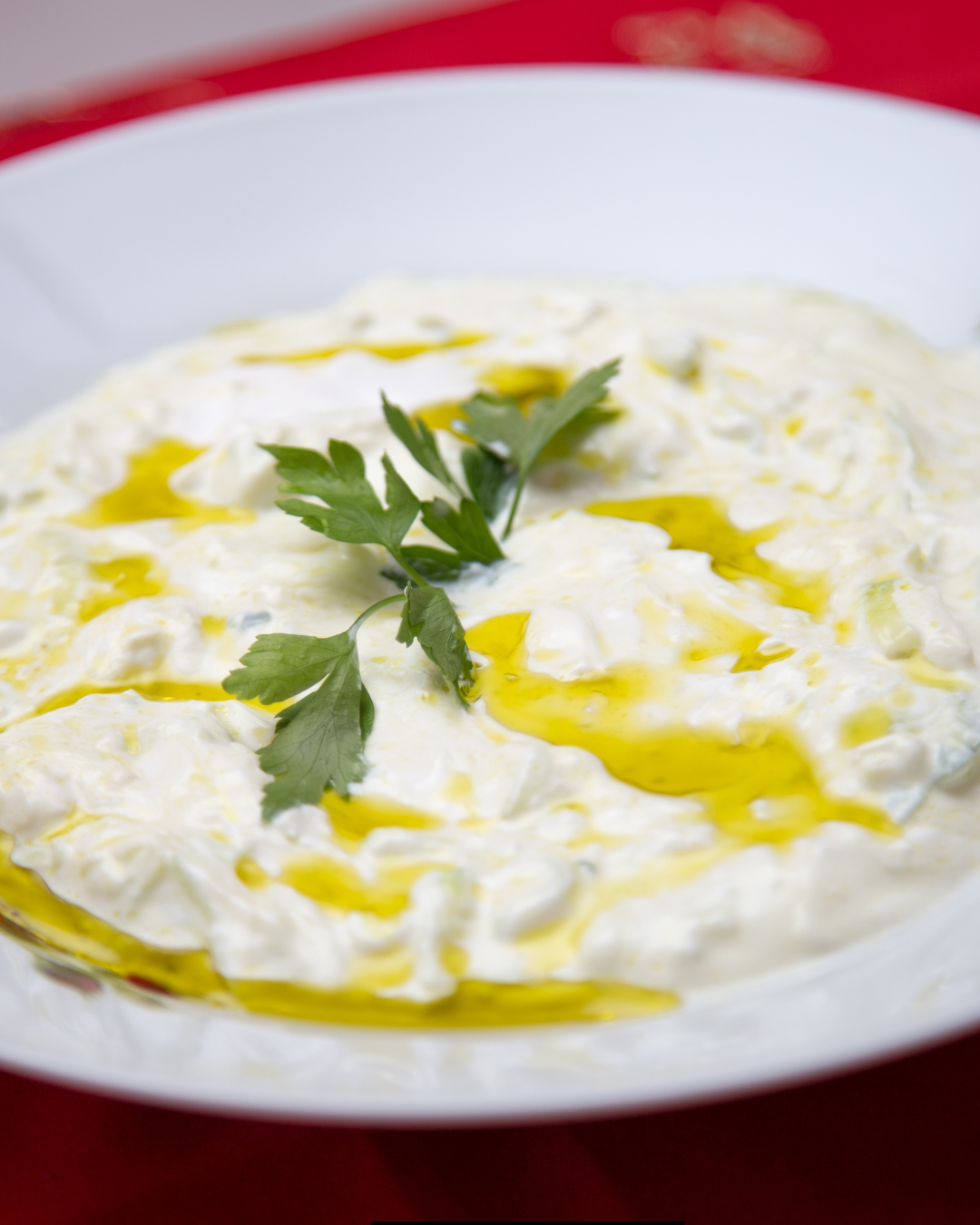
Not only is it packed with protein, but it also lends a rich, velvety texture that makes this Tzatziki Sauce with Cottage Cheese as indulgent as the original—and maybe even a little healthier.
Table of Contents
How to make Tzatziki Sauce with Cottage Cheese
A Tzatziki Sauce with Cottage Cheese is a lighter, protein-packed twist on traditional Greek tzatziki. Instead of using only thick Greek yogurt, the sauce uses blended cottage cheese to create a creamy texture with extra protein and a slightly tangy flavor.
Ingredients
Main Ingredients:
- 1 cup cottage cheese
- ½ cucumber
- 2–3 cloves of garlic
- 1 tbsp olive oil
- 1 tbsp fresh lemon juice
- 1 tbsp fresh dill
Optional Additions:
- Salt, to taste
- Black pepper, to taste
Instructions
- Start by peeling your cucumber (optional if you prefer a more rustic texture).
- Slice the cucumber lengthwise and scoop out the seeds using a spoon. Grate it finely using a box grater or food processor.
- Place the grated cucumber into a sieve or kitchen towel, and squeeze out as much water as possible. This step is essential to avoid a watery tzatziki.
- If your cottage cheese is chunky, blend it in a food processor or blender until smooth for a more traditional tzatziki texture. This step is optional if you enjoy a slightly textured dip.
- In a mixing bowl, add your cottage cheese, prepared cucumber, minced garlic, olive oil, lemon juice, and fresh dill.
- Stir until all the ingredients are evenly combined.
- Add a pinch of salt and black pepper, tasting as you go. Feel free to adjust the amount of lemon or garlic based on your preference.
- If the sauce is too thick, add a small drizzle of olive oil or a splash of water to loosen the consistency.
- Cover the bowl and refrigerate for at least 30 minutes. This allows the flavors to meld beautifully, making the sauce even more delicious.
Cooking Tips
- Texture Matters: If you prefer a smoother tzatziki, don’t hesitate to blend the entire mixture once combined. For a traditional chunky texture, skip this step.
- Cucumber Squeeze Is Key: Excess cucumber water can dilute the sauce. Always take your time squeezing it out for the perfect consistency.
- Not a fan of dill? Swap it for fresh mint for a similarly refreshing twist.
- For an extra tangy kick, add a small dollop of sour cream to the mixture.
- Storage: Store in an airtight container and keep it refrigerated. The tzatziki will stay fresh for up to 2–3 days, though the flavors are best within the first 24 hours.
- Serving Suggestions: Pair this tzatziki with pita bread, grilled vegetables, or roasted meats. It also works wonderfully as a topping for burgers or wraps.
Ingredients Substitutes
Customizing a recipe to suit your preferences, dietary needs, or what you already have on hand is part of the fun of cooking! If you’re planning to make tzatziki sauce with cottage cheese but are missing certain ingredients, there are several great substitutes you can use.
1. Cottage Cheese Substitutes
If you don’t have cottage cheese or need an alternative for dietary reasons, try the following:
- Greek Yogurt (Plain): The classic base for tzatziki is plain Greek yogurt. It’s rich, tangy, and creamy, making it the best substitute for cottage cheese.
- Silken Tofu: For a vegan or dairy-free option, silken tofu is an excellent alternative. Blend it until smooth for a thick and creamy result.
- Ricotta Cheese: Ricotta has a similar texture to cottage cheese and works wonderfully in tzatziki. Blend it for a smoother consistency.
- Sour Cream or Crème Fraîche: Both can be used for a creamier, tangier dip, but keep in mind that these are higher in fat.
- Cashew Cream (Vegan): Soaked and blended cashews are great for a dairy-free version. Add a bit of lemon juice to mimic the tanginess of cottage cheese.
2. Cucumber Substitutes
If cucumbers aren’t available or you want to try something different:
- Zucchini: Raw zucchini, grated and squeezed of excess water, works as a fantastic cucumber replacement. Its mild flavor provides a similar texture.
- Carrots (Grated): For a sweeter twist, finely grate carrots. While it adds a different flavor profile, it still offers crunch and freshness.
- Radishes (Grated): If you’re in the mood for a peppery kick, radishes are a unique and colorful alternative to cucumbers.
3. Garlic Substitutes
Garlic is an essential part of tzatziki, but if you need to switch it up:
- Garlic Powder: Use a small pinch in place of fresh garlic. Start with ¼ teaspoon and adjust based on your taste preference.
- Shallots or Finely Minced Onions: Shallots have a milder, sweeter flavor that can mimic the sharpness of garlic. Minced onions can also work, but may slightly alter the flavor profile.
- Roasted Garlic: Roasted garlic gives the sauce a milder, sweeter garlic flavor instead of the raw bite.
- Asafoetida Powder (Hing): For those avoiding garlic, asafoetida powder provides a subtle umami flavor reminiscent of garlic.
4. Olive Oil Substitutes
If you’re out of olive oil or want to try something else:
- Avocado Oil: A neutral-tasting oil that still provides creaminess to the sauce.
- Flaxseed Oil or Walnut Oil: These oils have nutty undertones, which pair well with the other ingredients.
- No Oil: If you prefer to skip oils altogether, the cottage cheese already provides a creamy consistency.
5. Lemon Juice Substitutes
The tang from lemon is an essential part of tzatziki. If you don’t have lemons on hand:
- Lime Juice: Lime juice has a slightly sharper tang but works just as well as a 1:1 substitute.
- White Vinegar or Apple Cider Vinegar: Use 1–2 teaspoons of vinegar for a similar acidic kick.
- Rice Vinegar: A milder vinegar option that won’t overpower the sauce.
- Plain Greek Yogurt (With No Lemon): If you’re already using Greek yogurt and can’t add acidic ingredients, the yogurt alone will add tang.
6. Dill Substitutes
Dill is a key herb in traditional tzatziki, but you can swap it for other fresh or dried herbs:
- Mint: A refreshing and traditional alternative often used in Mediterranean cuisine. Use the same quantity as dill.
- Parsley: Adds a fresh, mild flavor. Use fresh parsley for the best results.
- Cilantro: For a bold and unique twist, finely chopped cilantro can work as a herbaceous substitute.
- Dried Dill or Mixed Dried Herbs: If fresh dill isn’t available, dried dill is an ideal substitute, but use only half the amount in the recipe (as dried herbs are more potent).
- Chives: Chopped chives bring a mild onion-like taste that complements the sauce nicely.
Final Thoughts
Making tzatziki sauce with cottage cheese is a simple way to put a creative spin on a beloved classic. By swapping traditional Greek yogurt for creamy cottage cheese, you’ll end up with a nutritious, protein-rich alternative that’s still bursting with flavor.
More Sauce Recipes:

Ingredients
Main Ingredients:
- 1 cup cottage cheese
- ½ cucumber
- 2–3 cloves of garlic
- 1 tbsp olive oil
- 1 tbsp fresh lemon juice
- 1 tbsp fresh dill
Optional Additions:
- Salt, to taste
- Black pepper, to taste
Instructions
- Start by peeling your cucumber (optional if you prefer a more rustic texture).
- Slice the cucumber lengthwise and scoop out the seeds using a spoon. Grate it finely using a box grater or food processor.
- Place the grated cucumber into a sieve or kitchen towel, and squeeze out as much water as possible. This step is essential to avoid a watery tzatziki.
- If your cottage cheese is chunky, blend it in a food processor or blender until smooth for a more traditional tzatziki texture. This step is optional if you enjoy a slightly textured dip.
- In a mixing bowl, add your cottage cheese, prepared cucumber, minced garlic, olive oil, lemon juice, and fresh dill.
- Stir until all the ingredients are evenly combined.
- Add a pinch of salt and black pepper, tasting as you go. Feel free to adjust the amount of lemon or garlic based on your preference.
- If the sauce is too thick, add a small drizzle of olive oil or a splash of water to loosen the consistency.
- Cover the bowl and refrigerate for at least 30 minutes
Discover more from Heavnly Foods
Subscribe to get the latest posts sent to your email.