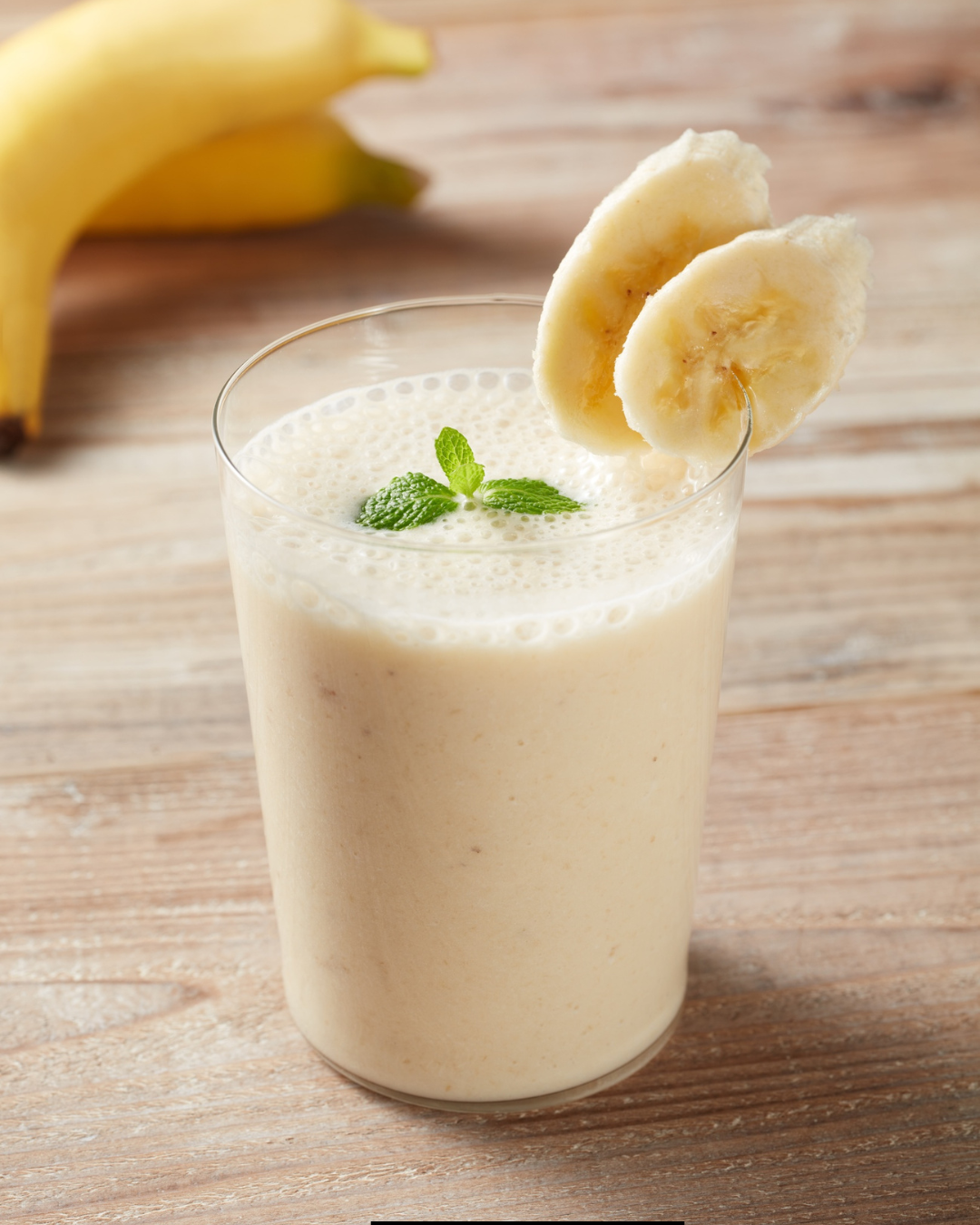
Truth be told, I’ve never been a fan of protein powders. They’re convenient, sure, but something about eating fresh, whole foods feels more satisfying. Plus, it’s always nice knowing exactly what’s going into your body. That’s why I fell in love with this simple yet power-packed High Protein Smoothie without Powder recipe made entirely of ingredients you probably already have in your pantry or fridge.
Table of Contents
How to make High Protein Smoothie without Powder
A high protein smoothie without powder is a blended drink that gets its protein from whole-food ingredients rather than protein supplements. These smoothies are popular for breakfast, post-workout recovery, or a filling snack because they provide protein along with vitamins, minerals, and healthy fats.
Ingredients
Milk or Milk Alternatives:
- Skim milk: A great source of protein and calcium.
- Soy milk or pea protein milk: Plant-based options with higher protein content compared to almond or oat milk.
- Unsweetened almond milk: While lower in protein, it’s wonderfully creamy and suitable for those avoiding dairy.
Protein-Rich Ingredients
- Greek Yogurt: Opt for plain or unsweetened
- Nut Butter (Almond, Peanut, Cashew)
- Chia Seeds, Flaxseeds, or Hemp Seeds
- Cottage Cheese (Optional)
- Silken Tofu (Optional)
Flavor & Nutrition Boosters
- Fresh or Frozen Fruit (Bananas, Berries, etc.)
- Frozen fruit helps give the smoothie a thick, icy texture.
- Oats
- Natural Sweeteners (Optional): Honey
Instructions
- Choose Your Base Liquid: Start by adding 1 cup of your preferred liquid (milk, almond milk, soy milk, etc.) to your blender. You can adjust this quantity depending on how thick you want your smoothie.
- Add Protein-Rich Ingredients: Spoon in ½ cup of plain Greek yogurt, 1–2 tablespoons of nut butter, and 1 tablespoon of chia, flax, or hemp seeds. If using silken tofu or cottage cheese, add ¼ cup as an alternative or additional protein boost.
- Include Fruits and Flavor Enhancers: Add ½ cup of frozen fruit (like blueberries, strawberries, or a combination) and 1 medium banana. Frozen fruits help chill the smoothie and give it a creamier texture. If you like some extra sweetness, add 1–2 medjool dates or a drizzle of honey.
- Optional Fiber Addition: Blend in ¼ cup of oatmeal if you want a thicker, filling smoothie with extra fiber.
- Blend Until Smooth: Blend on high speed for about 30–60 seconds, or until the smoothie’s texture is creamy and lump-free. If it’s too thick, add a bit more liquid and blend.
- Taste and Adjust: Taste your smoothie and tweak as needed. Add more fruit for sweetness or more yogurt for creaminess.
- Serve and Enjoy: Pour your High Protein Smoothie into a tall glass and enjoy immediately! Optionally, sprinkle extra seeds or a dollop of yogurt on top for garnish.
Tips for the Perfect High-Protein Smoothie
- Opt for ripe fruits and fresh yogurt for the best flavor and nutritional profile.
- Frozen bananas are a great way to keep your smoothie cold and creamy without relying on ice cubes, which can dilute the flavor.
- Always add the liquids first, followed by softer items like yogurt, and finally harder ingredients like frozen fruit or oats. This ensures easier blending.
- Mix and match fruits — try tropical fruits like mango or pineapple with coconut milk for a refreshing twist.
- Swap Greek yogurt for a plant-based yogurt and use soy or pea protein milk.
- For busy mornings, pre-portion your frozen fruit, seeds, and oats into single-serve bags or containers. Then toss them into the blender with liquid!
- Sneak in a handful of spinach or kale for extra nutrients without overpowering the taste.
Ingredients Substitutes
Making a high-protein smoothie without powder allows for flexibility and creativity while relying on natural, wholesome ingredients.
Liquid Base Substitutes
The liquid base helps blend the ingredients and determines the consistency and flavor of your High Protein Smoothie. Here are alternatives based on your needs:
Cow’s Milk:
Why substitute? If you’re lactose-intolerant or prefer plant-based options.
Substitutes:
- Soy Milk: A plant-based milk with a higher protein content (about 7g per cup).
- Pea Protein Milk: Another great dairy-free option with an impressive amount of protein.
- Almond Milk: Creamy but lower in protein; good for flavor and texture.
- Cashew Milk or Coconut Milk: Adds a rich texture but minimal protein—use sparingly for a creamier smoothie.
Juices:
Why substitute? If you want a sweeter, fruitier base.
Substitutes:
- Freshly Squeezed Orange Juice: Great for a tropical flavor, but lacks protein.
- Apple Juice or Coconut Water: These can add natural sweetness.
Protein-Rich Ingredient Substitutes
Protein-rich ingredients are the core of a high-protein smoothie, and luckily, there are plenty of whole foods to choose from.
Greek Yogurt:
Why substitute? For a dairy-free or vegan-friendly alternative.
Substitutes:
- Plant-Based Yogurt (Soy or Almond Yogurt): Delivers less protein than Greek yogurt but works well for vegans.
- Silken Tofu: Creamy and neutral in taste, it’s a fantastic vegan protein source (8–10g protein per serving).
Cottage Cheese:
Why substitute? If cottage cheese isn’t available or you dislike its flavor.
Substitutes:
- Ricotta Cheese: Creamier than cottage cheese and offers a mild sweetness.
- Mashed Avocado: Low protein but delivers creamy texture and healthy fats.
- Greek Yogurt: Can be used as a cottage cheese replacement.
Nut Butter:
Why substitute? Nut allergies or calorie concerns.
Substitutes:
- Sunflower Seed Butter: A perfect nut-free substitute.
- Tahini: Made from sesame seeds, it has a nutty flavor and contains protein.
- Coconut Butter or Melted Almond Flour Paste: For a creamy alternative.
Seeds (Chia, Flax, Hemp):
Why substitute? Allergies or availability.
Substitutes:
- Pumpkin Seeds: Blend them into your smoothie for an earthy flavor and protein.
- Sesame Seeds: Mildly nutty and full of nutrients.
- Almond Flour or Ground Almonds: Extra protein and smooth texture.
Oats:
Why substitute? Texture or preference.
Substitutes:
- Quinoa (Cooked): Adds protein, fiber, and a slightly nutty flavor.
- Buckwheat: Comparable in texture and adds plant-based nutrients.
Fruit Substitutes
Fruit is essential to enhance flavor and add natural sweetness, but it can be swapped with similar nutrient-rich options.
Bananas:
Why substitute? Some people dislike the taste, texture, or prefer lower-sugar options.
Substitutes:
- Avocado: Provides creaminess and healthy fats without the sweetness.
- Frozen Mango or Papaya: Great for tropical flavor.
- Sweet Potato (Cooked): Adds natural sweetness and fiber.
Berries (Strawberries, Blueberries, etc.):
Why substitute? For variety or preference.
Substitutes:
- Cherries: Still packed with antioxidants.
- Frozen Pineapple: For a bold tropical taste.
- Persimmons or Apples: Adds sweetness and fiber.
FInal Thoughts
This high protein smoothie is perfect for fueling your day, post-workout recovery, or even as a midday snack. The versatility of ingredients allows you to adapt the recipe to meet your dietary preferences and taste buds, making it your own personal powerhouse drink!
More Smoothie Recipes:

Ingredients
Milk or Milk Alternatives: use 1 cup of one option below
- Skim milk: A great source of protein and calcium.
- Soy milk or pea protein milk
- Unsweetened almond milk:
Protein-Rich Ingredients
- 1/2 cup plain Greek yogurt
- 1–2 tablespoons nut butter (almond, peanut, or cashew)
- 1 tablespoon chia, flax, or hemp seeds
- 1/4 cup cottage cheese (optional)
- 1/4 cup silken tofu (optional)
Flavor & Nutrition Boosters
- 1/2 cup frozen berries or other fruit
- 1 medium banana
- 1/4 cup oats (optional)
- 1–2 dates or honey, to taste (optional)
Instructions
- Choose Your Base Liquid: Start by adding 1 cup of your preferred liquid (milk, almond milk, soy milk, etc.) to your blender. You can adjust this quantity depending on how thick you want your smoothie.
- Add Protein-Rich Ingredients: Spoon in ½ cup of plain Greek yogurt, 1–2 tablespoons of nut butter, and 1 tablespoon of chia, flax, or hemp seeds. If using silken tofu or cottage cheese, add ¼ cup as an alternative or additional protein boost.
- Include Fruits and Flavor Enhancers: Add ½ cup of frozen fruit (like blueberries, strawberries, or a combination) and 1 medium banana. Frozen fruits help chill the smoothie and give it a creamier texture. If you like some extra sweetness, add 1–2 medjool dates or a drizzle of honey.
- Optional Fiber Addition: Blend in ¼ cup of oatmeal if you want a thicker, filling smoothie with extra fiber.
- Blend Until Smooth: Blend on high speed for about 30–60 seconds, or until the smoothie’s texture is creamy and lump-free. If it’s too thick, add a bit more liquid and blend.
- Taste and Adjust: Taste your smoothie and tweak as needed. Add more fruit for sweetness or more yogurt for creaminess.
- Serve and Enjoy: Pour your High Protein Smoothie into a tall glass and enjoy immediately! Optionally, sprinkle extra seeds or a dollop of yogurt on top for garnish.
Discover more from Heavnly Foods
Subscribe to get the latest posts sent to your email.