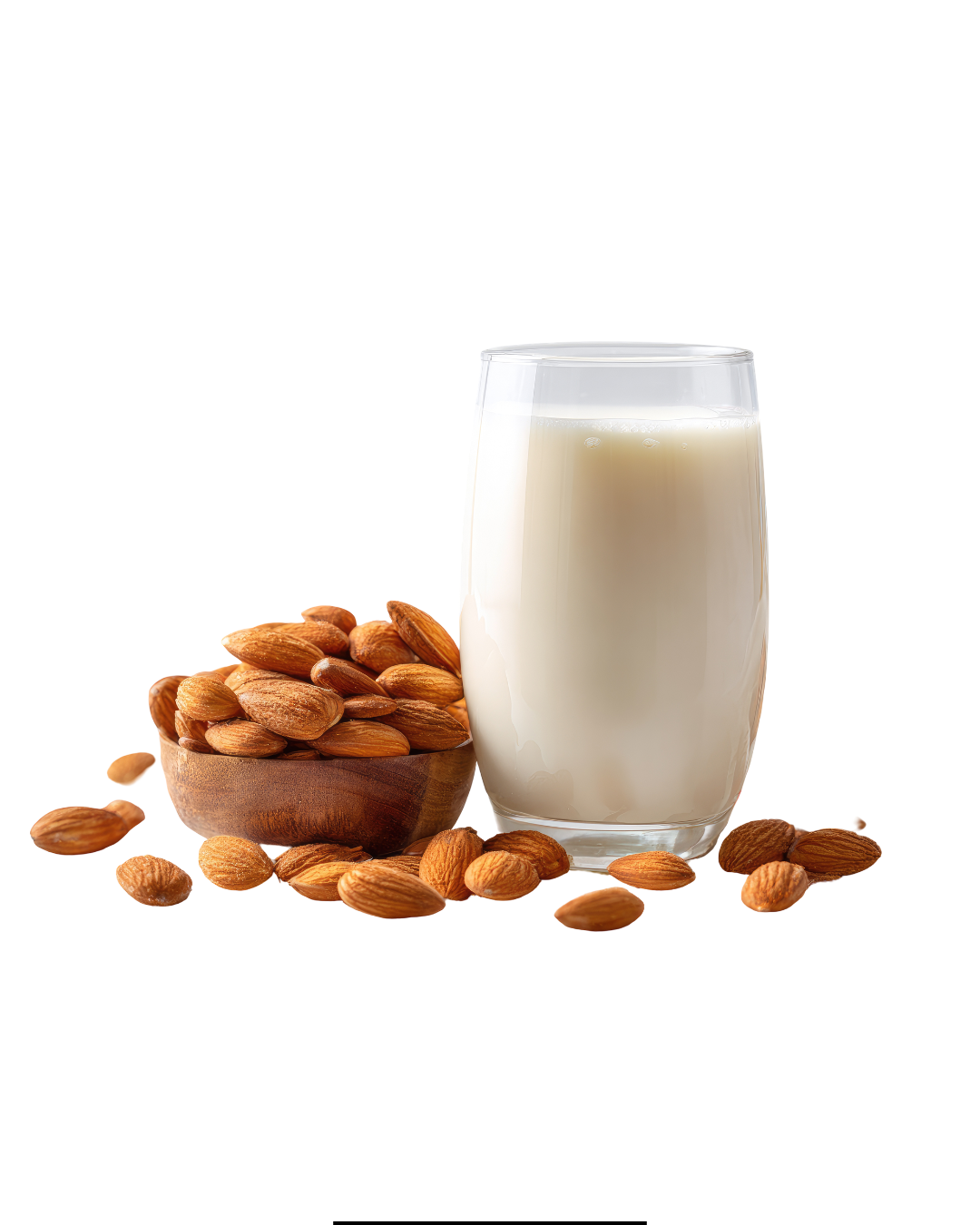
One of the most rewarding (and surprisingly simple) DIY kitchen staples is unsweetened vanilla almond milk. Not only is it fresher and more flavorful than store-bought options, but it also puts you in complete control of what goes into it—no additives, no unnecessary sugars, just pure goodness.
Table of Contents
How to make Unsweetened Vanilla Almond Milk
Unsweetened Vanilla Almond Milk is a plant-based milk alternative made from almonds, flavored with vanilla, and with no added sugar.
Ingredients
- 1 cup raw almonds (organic, if possible)
- 4 cups water
- 1 teaspoon vanilla extract
- (Optional) Pinch of salt
Instructions:
- Place the almonds in a bowl and cover them with water (enough to submerge completely).
- Let the almonds soak for 8–12 hours or overnight. Soaking softens the almonds, making them easier to blend and improving the creaminess of the milk.
- After soaking, drain the almonds and rinse them well. You’ll notice the almonds have plumped up and softened.
- Add the soaked almonds to a blender along with 4 cups of filtered water.
- Blend on high speed for about 1–2 minutes or until you get a smooth, creamy liquid. The almonds should break down entirely.
- Place a nut milk bag, cheesecloth, or a fine-mesh strainer over a large bowl. Pour the blended mixture through the strainer.
- Use your hands (or a spatula) to squeeze or press the pulp in the nut milk bag/cheesecloth to release all the liquid into the bowl.
- Once strained, stir in 1 teaspoon of vanilla extract. If desired, add a pinch of salt to enhance the flavors.
- Pour the milk into an airtight container (like a glass bottle or jar).
- Store your almond milk in the fridge for up to 4–5 days. Shake well before each use, as separation is natural.
Tips for the Best Almond Milk:
- Choose Fresh, Good-Quality Almonds: The quality of your almonds largely determines the richness and flavor of the milk. Go for raw, unsalted almonds, preferably organic.
- Get Creative with Flavors: While this recipe incorporates vanilla, you can experiment by adding other flavorings like cinnamon, nutmeg, or even unsweetened cocoa powder!
- Reuse the Almond Pulp: Don’t waste the leftover almond pulp! Dry it out in the oven and use it in other recipes like smoothies, baked goods, or as a gluten-free flour substitute.
- Don’t Skip the Soak: Soaking is crucial for creamy almond milk and easier straining. If you’re short on time, you can speed up the process by soaking in hot water for 1–2 hours.
- Adjust Consistency: For thicker almond milk, reduce the water to 3 cups. If you prefer lighter milk, increase to 5 cups.
- Blend Thoroughly: A high-speed blender helps break the almonds down completely, ensuring maximum creaminess.
Ingredients Substitutes
Unsweetened Vanilla Almond Milk is simple to make and customizable to your needs! While the base recipe primarily uses almonds, water, and vanilla extract, there are plenty of substitutions you can make to fit dietary preferences, allergies, or flavor preferences.
1. Substitute for Almonds
Almonds are the hero ingredient in Unsweetened Vanilla Almond Milk, but you can easily swap them out for other nuts, seeds, or grains to create different dairy-free milk alternatives.
Alternative Ingredients:
- Cashews: Cashews give a naturally creamy, rich milk with a subtle sweetness similar to almond milk.
- Hazelnuts: Make a hazelnut milk for a more robust, nutty flavor—delicious for coffee or cocoa-based drinks.
- Pecans: Pecans create a dessert-like flavor with a hint of natural sweetness, great for baking or smoothies.
- Walnuts: Walnuts produce a slightly bitter, earthy milk. You can blend them with another nut for a more balanced taste.
- Macadamia Nuts: If you’re looking for ultra-creamy, decadent milk, macadamia nuts are a great choice.
- Hemp Seeds: Hemp seeds are an excellent nut-free alternative that doesn’t require soaking and offers a great source of omega fatty acids.
- Oats: For a nut-free option, oats create a creamy and naturally sweet plant-based milk. Oatly-style oat milk has become popular for coffee due to its richness. Avoid over-blending to prevent a slimy texture.
- Sunflower Seeds: A seed-based alternative for those with nut allergies, sunflower seeds produce a mild-flavored milk.
- Coconut: If you enjoy a tropical twist, shredded or fresh coconut can be used to make coconut milk. This is naturally creamy and has a sweet, coconut-forward flavor.
2. Substitute for Filtered Water
Water enhances the liquid base for almond milk, but you can tweak its flavor or boost nutrition by using a different liquid.
Alternative Ingredients:
- Coconut Water: Coconut water adds natural sweetness and extra electrolytes to your almond milk. Great for smoothies.
- Spring or Distilled Water: If you don’t have filtered water, you can use spring or distilled water for clean-tasting milk. Avoid hard tap water if possible, as it may affect the flavor.
- Boosted Water (Flavored Water): Add a subtle flavor by infusing the water with herbs (like mint) or fruit (like a slice of orange or lemon) before making the almond milk.
3. Substitute for Vanilla Extract
Vanilla enhances the flavor of almond milk and gives it that light, sweet aroma. However, it’s easy to substitute with other ingredients or skip it altogether for customization.
Alternative Ingredients:
- Vanilla Bean or Vanilla Pod: Split a vanilla bean/pod, scrape out the seeds, and add them to the blender instead of vanilla extract for a strong and fresh vanilla flavor.
- Vanilla Powder: Look for pure ground vanilla bean powder as an alternative to the liquid extract.
- Cinnamon or Nutmeg: Add a pinch of cinnamon, nutmeg, or cardamom to give the milk a warm and spiced flavor profile instead of vanilla.
- Almond Extract: Boost the almond flavor by using a small amount of almond extract instead of (or alongside) vanilla.
- Coconut Extract: For a tropical twist, use coconut extract as a flavor substitute.
- Skip It: You can omit vanilla for a plain, neutral, unsweetened almond milk flavor. It’s especially good for savory recipes like soups or sauces.
Final Thoughts
Making unsweetened vanilla almond milk at home is as rewarding as it is simple. The fresh, creamy texture and subtle vanilla notes elevate this plant-based milk to the next level—perfect for drinking, cooking, or baking.
More Drink Recipes:

Ingredients
- 1 cup raw almonds (organic, if possible)
- 4 cups water
- 1 teaspoon vanilla extract
- (Optional) Pinch of salt
Instructions
- Place the almonds in a bowl and cover them with water (enough to submerge completely).
- Let the almonds soak for 8–12 hours or overnight. Soaking softens the almonds, making them easier to blend and improving the creaminess of the milk.
- After soaking, drain the almonds and rinse them well. You’ll notice the almonds have plumped up and softened.
- Add the soaked almonds to a blender along with 4 cups of filtered water.
- Blend on high speed for about 1–2 minutes or until you get a smooth, creamy liquid. The almonds should break down entirely.
- Place a nut milk bag, cheesecloth, or a fine-mesh strainer over a large bowl. Pour the blended mixture through the strainer.
- Use your hands (or a spatula) to squeeze or press the pulp in the nut milk bag/cheesecloth to release all the liquid into the bowl.
- Once strained, stir in 1 teaspoon of vanilla extract. If desired, add a pinch of salt to enhance the flavors.
- Pour the milk into an airtight container (like a glass bottle or jar).
- Store your almond milk in the fridge for up to 4–5 days. Shake well before each use, as separation is natural.
Discover more from Heavnly Foods
Subscribe to get the latest posts sent to your email.