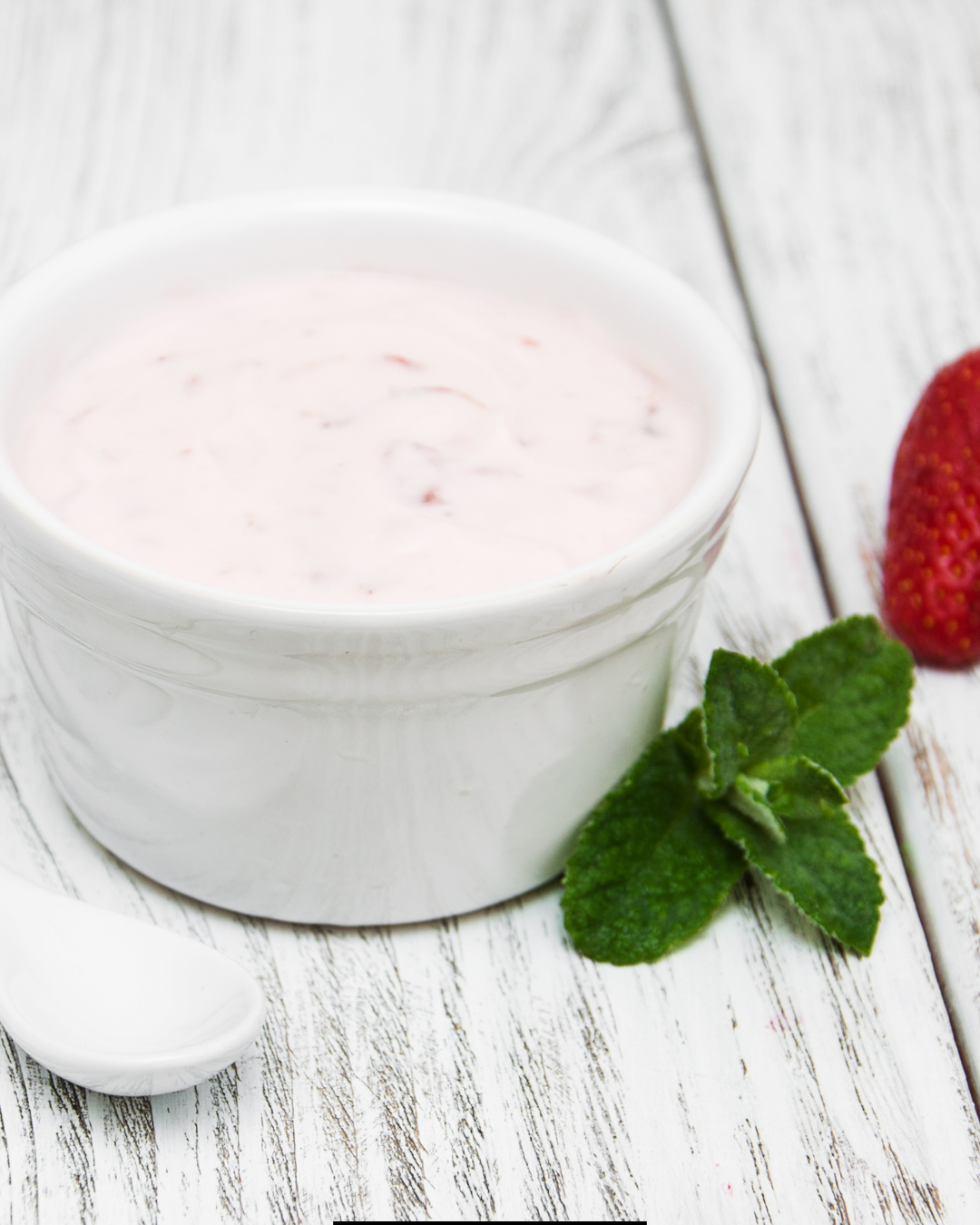
For years, Yoplait Strawberry Yogurt has been a go-to treat for many of us—whether as a quick breakfast, a midday snack, or even a dessert. But have you ever wondered if you could recreate that signature taste at home?
Table of Contents
How to make Yoplait Strawberry Yogurt
Yoplait Strawberry Yogurt is a sweetened, strawberry-flavored yogurt made from cultured milk, typically containing fruit or fruit flavoring, sugar, and live bacterial cultures.
Ingredients
To make approximately 4 servings, you’ll need:
- 2 cups whole milk (or 2%) – Use dairy milk for the creamiest texture. You can substitute with plant-based alternatives, such as almond or coconut milk, for a non-dairy version.
- ¼ cup plain yogurt (with active cultures) – This acts as your “starter” to ferment the milk. You can use store-bought plain Greek yogurt if needed.
- 1½ cups fresh strawberries, washed and hulled
- 3–4 tablespoons sugar (or honey) – Adjust based on your sweetness preference. Yoplait leans toward the sweeter side so that you can play with the sweetness.
- 1 teaspoon vanilla extract: Optional, but it adds depth to the flavor.
- A pinch of salt: Balances the sweetness and enhances flavor.
- Food coloring (a drop of red) – Only if you want that signature bright pink hue Yoplait uses.
Instructions
1. Prepare the Strawberry Puree:
- Place the strawberries, sugar (or honey), and vanilla extract into a blender or food processor. Blend until completely smooth.
- Taste and adjust the sweetness if needed. If you prefer chunks of fruit, blend lightly or save some diced strawberries to stir in later.
- Pour the puree into a saucepan and simmer on low heat for about 5–7 minutes. This thickens the mixture slightly and intensifies the strawberry flavor. Set aside to cool.
2. Create the Yogurt Base:
- Heat the milk in a saucepan over medium heat, stirring occasionally, until it reaches 180°F (82°C). This kills any harmful bacteria.
- Allow the milk to cool to 110°F (43°C)—warm but not hot.
- Stir in your plain yogurt (starter culture) until fully mixed.
3. Combine and Ferment:
- Add the cooled strawberry puree to the yogurt mixture and stir until evenly combined.
- Pour the mixture into clean jars or a bowl with a tight-fitting lid. Cover and let it ferment in a warm area (approximately 100°F or room temperature) for 6–8 hours or overnight.
4. Chill and Serve:
- After fermentation, place the yogurt in the fridge and let it chill for at least 2 hours before serving. This step helps set the texture and enhances the flavor.
- Stir the yogurt before serving for a smoother consistency, and top with fresh strawberries or granola for extra indulgence!
Tips for Perfect Strawberry Yogurt
- Choose Ripe Strawberries: The sweeter the strawberries, the better your yogurt will taste. If strawberries aren’t in season, frozen strawberries are a great alternative.
- Adjust Sweetness: If you’re recreating Yoplait’s flavor, don’t be afraid to err on the sweeter side. For a healthier twist, agave syrup or stevia works well!
- Ensure Proper Fermentation: Keep the yogurt in a warm, stable environment during fermentation. If your kitchen is cold, use an oven with the light on or even a yogurt maker.
- Storage: Homemade yogurt can stay fresh in the fridge for up to 7 days in an airtight container.
- Experiment: Don’t be afraid to add other flavors like a hint of lemon zest or swap the strawberries for other berries to create your own version of Yoplait-inspired yogurt.
What to serve with
Yoplait Strawberry Yogurt—or your homemade version—is delicious on its own, but pairing it with complementary foods can elevate your eating experience. Depending on your mood, you can turn it into a wholesome breakfast, a refreshing snack, or even a light dessert.
1. Fresh Fruits
Pairing yogurt with fresh fruits adds color, flavor, and nutrition to your plate. Strawberry yogurt naturally complements sweeter and tangy fruits.
Suggestions:
- Berries (blueberries, raspberries, blackberries): Enhance the fruity notes of the yogurt.
- Banana slices: Add creamy texture and natural sweetness.
- Kiwi or mango: Bring a tropical twist.
- Peaches or nectarines: Perfect for a summery vibe.
2. Granola or Cereal
Add a satisfying crunch to your yogurt with granola or cereal. This combination creates a balanced breakfast or snack that keeps you full longer.
Suggestions:
- A handful of honey granola: Sweet and crispy.
- Nuts and seeds: Almonds, walnuts, chia seeds, or flax seeds add texture and extra nutrition.
- Whole-grain cereals like muesli: a more wholesome option.
Ingredients Substitutes
If you’re looking to recreate Yoplait Strawberry Yogurt but need alternatives for some ingredients—whether for dietary reasons, availability, or personal preferences—you’re in luck!
1. Milk Substitutes
Traditional yogurt recipes use whole or 2% dairy milk for a creamy texture. However, if you’re vegan, lactose-intolerant, or prefer a lighter alternative, here are your options:
Non-Dairy Alternatives:
- Almond Milk: Slightly nutty and mild in taste—pairs well with strawberry flavors.
- Coconut Milk: Great for adding richness and creaminess. It creates a similar mouthfeel to whole milk.
- Soy Milk: Protein-packed and neutral in flavor, making it a popular choice for yogurt.
- Oat Milk: Smooth and slightly sweet, ideal for recreating dessert-like yogurt textures.
Low-Fat Options:
- Skim Milk: For a lighter, less rich yogurt that retains a soft consistency.
- Low-fat Milk Alternatives: Try reduced-fat coconut milk or almond milk for fewer calories.
2. Yogurt Starter Substitutes
The yogurt starter (plain yogurt with active cultures) is key to fermentation. If you don’t have plain yogurt on hand, try these substitutes:
Cultures:
- Dried Yogurt Starter: Available at health food stores, these packets contain live cultures to kickstart fermentation.
- Probiotic Powder or Capsules: Look for probiotic powders intended for gut health that contain strains like Lactobacillus or Bifidobacterium. Mix into the milk.
Store-Bought Alternatives:
- Greek Yogurt: If plain yogurt isn’t available, plain Greek yogurt can be used as a substitute.
- Non-Dairy Yogurt Alternatives: Use plain almond, coconut, or soy yogurt to introduce active cultures into plant-based recipes.
3. Strawberry Substitutes
Fresh strawberries are ideal for flavoring your yogurt, but substitutions can be made for taste preferences or availability:
Fresh Alternatives:
- Frozen Strawberries: Thaw before using; they often create a thicker puree.
- Other Berries: Raspberries, blueberries, or blackberries can replace strawberries for a different flavor profile.
- Seasonal Fruits: Mango, peaches, or cherries can add a tropical twist.
Processed Alternatives:
- Strawberry Jam or Preserves: Skip the puree and mix in a tablespoon of jam for sweetness and flavor. Make sure it’s a high-quality, fruit-based jam!
- Strawberry Syrup: For a quick, sweetened option, use syrup (commonly used in desserts and drinks).
4. Sugar Substitutes
Yoplait Strawberry Yogurt leans toward a sweeter taste, but there are plenty of substitutes that can adjust the sweetness level or fit dietary restrictions.
Natural Sweeteners:
- Honey: Perfect for adding mild sweetness while complementing the fruit flavors.
- Maple Syrup: Adds sweetness with a hint of caramel flavor.
- Agave Syrup: Sweeter than sugar but low on the glycemic index.
Low-Calorie Options:
- Stevia: A natural zero-calorie substitute that blends easily into yogurt.
- Monk Fruit Sweetener: Another low-calorie alternative with a clean, sweet taste.
- Erythritol: A sugar alcohol that provides sweetness without calories.
Other Alternatives:
- Coconut Sugar: Adds subtle sweetness and a hint of caramel.
- Date Paste: This natural sweetener is packed with nutrients and adds richness to your yogurt.
5. Vanilla Extract Substitutes
Vanilla extract enhances the overall flavor, but it’s not mandatory. If you’re out of vanilla or prefer a twist, try:
Flavored Options:
- Almond Extract: Adds a nutty, aromatic flavor.
- Coconut Extract: Works beautifully in non-dairy versions with coconut milk.
- Lemon Zest: Brightens the yogurt and complements fruit flavors.
Final Thoughts
Making Yoplait Strawberry Yogurt at home is easier than it sounds, and the results are so rewarding! Not only do you get to control the sweetness and ingredients, but there’s something special about enjoying a yogurt you’ve made from scratch.

Ingredients
- 2 cups whole milk (or 2%)
- ¼ cup plain yogurt (with active cultures)
- 1½ cups fresh strawberries, washed and hulled
- 3–4 tablespoons sugar (or honey)
- 1 teaspoon vanilla extract
- A pinch of salt:
- Food coloring (a drop of red)
Instructions
1. Prepare the Strawberry Puree:
- Place the strawberries, sugar (or honey), and vanilla extract into a blender or food processor. Blend until completely smooth.
- Taste and adjust the sweetness if needed. If you prefer chunks of fruit, blend lightly or save some diced strawberries to stir in later.
- Pour the puree into a saucepan and simmer on low heat for about 5–7 minutes. This thickens the mixture slightly and intensifies the strawberry flavor. Set aside to cool.
2. Create the Yogurt Base:
- Heat the milk in a saucepan over medium heat, stirring occasionally, until it reaches 180°F (82°C). This kills any harmful bacteria.
- Allow the milk to cool to 110°F (43°C)—warm but not hot.
- Stir in your plain yogurt (starter culture) until fully mixed.
3. Combine and Ferment:
- Add the cooled strawberry puree to the yogurt mixture and stir until evenly combined.
- Pour the mixture into clean jars or a bowl with a tight-fitting lid. Cover and let it ferment in a warm area (approximately 100°F or room temperature) for 6–8 hours or overnight.
4. Chill and Serve:
- After fermentation, place the yogurt in the fridge and let it chill for at least 2 hours before serving. This step helps set the texture and enhances the flavor.
- Stir the yogurt before serving for a smoother consistency, and top with fresh strawberries or granola for extra indulgence!