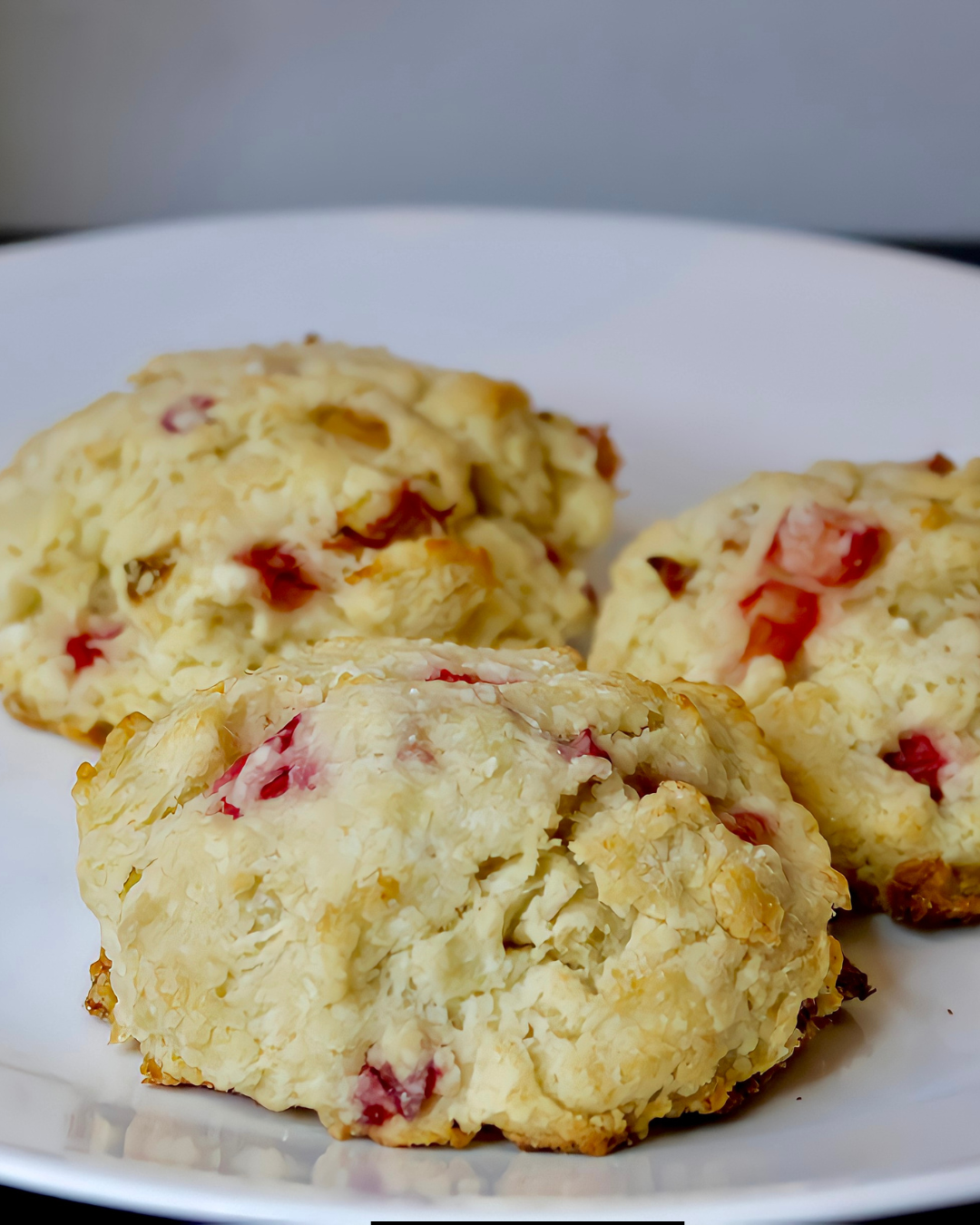
Rhubarb brings back memories of spring mornings in the kitchen, with golden sunlight streaming through the windows and the comforting aroma of freshly baked scones filling the air. These rhubarb scones are the perfect way to highlight this seasonal gem—whether you’ve just picked fresh stalks from your garden or found some irresistible ones at the market.
Table of Contents
How to make Rhubarb Scones
Rhubarb scones are a type of baked pastry made by folding chopped rhubarb into a traditional scone dough. They have a tender, crumbly texture and a balance of sweet and tart flavors, thanks to rhubarb’s naturally tangy taste.
Ingredients
Here’s what you’ll need to make approximately 8-10 scones:
Dry Ingredients:
- 2 ½ cups all-purpose flour
- ⅓ cup granulated sugar (plus 1-2 tsp for sprinkling)
- 1 tablespoon baking powder
- ½ teaspoon salt
- ½ teaspoon ground cinnamon (optional, but adds a warm flavor)
Wet Ingredients:
- ½ cup unsalted butter, cold and cubed
- ¾ cup heavy cream (or whole milk)
- 1 large egg
- 1 teaspoon vanilla extract
The Star Ingredient:
- 1 cup fresh rhubarb, diced into small ½-inch pieces
Optional Add-ins:
- ¼ cup sugar for the rhubarb (coat the pieces to reduce tartness if needed).
- ½ cup white chocolate chips, chopped nuts, or dried fruits (as a fun twist!).
Instructions
- Wash and trim the rhubarb stalks. Dice them into small pieces (about ½-inch long).
- If you prefer a milder tartness, toss the rhubarb pieces with 1-2 tablespoons of sugar and set aside while you prep the other ingredients.
- In a large mixing bowl, whisk together the flour, sugar, baking powder, salt, and cinnamon (if using). This ensures all the flavors are evenly distributed.
- Add the cold, cubed butter to the dry mixture. Use a pastry cutter, two knives, or your fingertips to cut the butter into the flour until it resembles coarse crumbs. It’s okay to have a few larger chunks — these create flaky layers in the scones.
- In a small bowl, whisk together the cream, egg, and vanilla extract.
- Pour the wet mixture into the dry ingredients and gently stir until the dough starts to come together. Avoid overmixing — it’s okay if it looks slightly shaggy.
- Gently fold the diced rhubarb into the dough. The dough will be sticky at this point, but don’t worry — that’s normal!
- Lightly flour a clean surface, and turn the dough out onto it. Knead gently 2-3 times to bring everything together.
- Pat the dough into a round disc about 1 inch thick.
- Using a knife or bench scraper, cut the disc into 8 wedges (like you’re cutting a pie). Alternatively, you can use a biscuit cutter to make round scones.
- Place the scones on a parchment-lined baking sheet and freeze them for 15-20 minutes. This step helps the scones hold their shape as they bake and ensures they’ll be extra flaky.
- Preheat your oven to 400°F (200°C).
- Brush the tops of the scones with a little cream or milk and sprinkle with sugar for a golden, slightly crunchy finish.
- Bake for 18-22 minutes or until the tops are golden brown and the edges feel firm to the touch.
- Let the scones cool on the baking sheet for a few minutes before transferring them to a wire rack. These are best enjoyed slightly warm with butter, clotted cream, or even a drizzle of honey!
Tips for Perfect Rhubarb Scones
- Cold butter and cream are essential for making flaky scones. If your kitchen is warm, you can chill your mixing bowl, flour, and butter before starting.
- Overmixing can lead to tough scones. Be gentle when combining ingredients, and stop as soon as the dough comes together.
- Rhubarb is naturally tart—if you prefer a milder flavor, coat the rhubarb pieces in a bit of sugar before adding them to the dough.
- Freezing the scones for a few minutes before baking helps the butter stay cold, creating steam pockets as they bake, which leads to extra lift and flakiness.
- You can prepare the scones ahead of time and freeze the unbaked dough. When ready to bake, pop them in the oven straight from the freezer and add an extra couple of minutes to the baking time.
- While rhubarb is perfect on its own, feel free to add complementary flavors, like orange zest, ginger, or even a handful of berries for a unique twist.
What to serve with
Rhubarb scones, with their flaky texture and sweet-tart flavor, are delightful on their own. However, pairing them with the right accompaniments can take your scone experience to a whole new level!
- Butter: A pat of high-quality butter is the simplest yet most classic pairing for Rhubarb Scones. Opt for creamy, salted butter to balance the tartness of the rhubarb, or unsalted butter if you prefer to control the flavor.
- Clotted Cream: This rich and creamy spread is a must-have for a traditional tea experience. Its smooth texture and subtle sweetness pair beautifully with the flaky layers of Rhubarb Scones. Spread a generous dollop on your warm scone for pure indulgence.
- Strawberry jam: A classic and complementary match for rhubarb.
- Raspberry jam: The tartness of raspberries echoes the rhubarb, for a punch of flavor.
- Apricot or peach jam: Adds a nice, mellow sweetness to balance the tanginess.
- Honey: A drizzle of golden honey is a simple and natural way to add sweetness without overpowering the rhubarb’s unique flavor.
- Lemon or Orange Curd: The zesty, citrusy burst of fruit curd pairs perfectly with the bright and tangy rhubarb tones in the scones. Lemon curd, in particular, is a crowd favorite.
Ingredients Substitutes
Sometimes you may find yourself missing an ingredient or needing an alternative based on dietary preferences, allergies, or availability. Don’t worry!
1. All-Purpose Flour:
Flour forms the foundation of your scones, but various substitutions depend on your dietary needs.
- Gluten-Free Flour: Swap with a 1:1 gluten-free baking blend that’s designed to replace all-purpose flour. Ensure the mix includes xanthan gum for proper texture.
- Whole Wheat Flour: Use whole wheat flour for a heartier, more flavorful, and slightly denser scone. You may need to add an extra tablespoon of liquid because whole wheat flour absorbs more moisture.
- Almond Flour: For gluten-free or low-carb options, almond flour can work, though it will result in a denser, less crumbly scone. You might also need to add an extra egg to improve binding.
- Oat Flour: Another gluten-free option is oat flour. Substitute with a 1:1 ratio, but add 1-2 tablespoons of liquid (like milk or cream) for better consistency.
2. Butter:
Butter contributes to the signature richness and flaky texture of scones. If you need a substitute, here are your options:
- Coconut Oil: Use solid coconut oil as a 1:1 substitute for butter. It will alter the flavor slightly, adding a hint of coconut.
- Vegetable Shortening: This is another viable option for a dairy-free alternative. Use the same amount of butter as the recipe calls for, although the flavor won’t be as rich.
- Vegan Butter: For a plant-based or lactose-free choice, use vegan butter as a direct substitution.
- Greek Yogurt or Cream Cheese: These provide moisture and richness. Replace part of the butter (up to half) with full-fat Greek yogurt or cream cheese for a slightly more tender texture.
3. Heavy Cream (or Milk):
Heavy cream is often used in scones to add richness and ensure a tender texture. If you don’t have it or want to swap it out for different dietary needs, try these:
- Milk with Butter: Combine ¾ cup of milk with 2 tablespoons of melted butter to mimic the fat content of heavy cream. Stir well before adding it to the dough.
- Buttermilk: A tangy buttermilk is a great option and works beautifully with the tartness of the rhubarb. It will keep the scones moist and add a subtle flavor.
- Plant-Based Milks (Almond, Oat, Soy, etc.): For a dairy-free option, feel free to use your favorite non-dairy milk. Coconut milk (full-fat) works best for a richer flavor and texture.
- Yogurt or Sour Cream: Mix plain yogurt or sour cream with a splash of milk or water to create a cream-like consistency. This can add a slight tang that complements the rhubarb.
4. Sugar:
Sugar is used to add sweetness and balance the tartness of rhubarb. You can easily adjust or substitute it.
- Brown Sugar: Replace granulated sugar with light or dark brown sugar for a deeper, caramel-like sweetness.
- Honey or Maple Syrup: These liquid sweeteners can replace sugar, but you’ll need to reduce the liquid in the dough slightly to account for the extra moisture (about 2-3 tablespoons less cream or milk).
- Coconut Sugar: A lower-glycemic alternative, coconut sugar has a milder sweetness and works well as a substitute at a 1:1 ratio.
- Stevia or Monk Fruit Sweetener (for low-sugar options): Use a sugar-free alternative like stevia or monk fruit for lower-calorie scones. Be cautious with the amounts, as these sweeteners are often much stronger than sugar.
- Skip the Sugar: If you prefer savory scones, you can omit the sugar entirely and let the rhubarb’s tang be the star.
5. Rhubarb:
While rhubarb is the key ingredient in these scones, you can substitute it if you don’t have fresh rhubarb.
- Frozen Rhubarb: If fresh rhubarb isn’t available, frozen rhubarb works perfectly. Just make sure to thaw and drain excess liquid before using.
- Strawberries: For a sweeter twist, swap rhubarb with diced fresh strawberries. They naturally complement scones and lack the tartness of rhubarb, so you may want to reduce the amount of sugar slightly.
Final Thoughts
There’s nothing quite like the aroma of freshly baked rhubarb scones wafting through your kitchen.
More Rhubarb Recipes:
- Rhubarb Crisp Recipe with Jello
- Amish Rhubarb Dream Bars Recipe
- Copycat Taste of Home Rhubarb Dream Bars Recipe

Ingredients
Dry Ingredients:
- 2 ½ cups all-purpose flour
- ⅓ cup granulated sugar
- 1 tablespoon baking powder
- ½ teaspoon salt
- ½ teaspoon ground cinnamon
Wet Ingredients:
- ½ cup unsalted butter, cold and cubed
- ¾ cup heavy cream (or whole milk)
- 1 large egg
- 1 teaspoon vanilla extract
The Star Ingredient:
- 1 cup fresh rhubarb, diced into small ½-inch pieces
Optional Add-ins:
- ¼ cup sugar for the rhubarb
- ½ cup white chocolate chips
Instructions
- Wash and trim the rhubarb stalks. Dice them into small pieces (about ½-inch long).
- If you prefer a milder tartness, toss the rhubarb pieces with 1-2 tablespoons of sugar and set aside while you prep the other ingredients.
- In a large mixing bowl, whisk together the flour, sugar, baking powder, salt, and cinnamon (if using). This ensures all the flavors are evenly distributed.
- Add the cold, cubed butter to the dry mixture. Use a pastry cutter, two knives, or your fingertips to cut the butter into the flour until it resembles coarse crumbs. It’s okay to have a few larger chunks — these create flaky layers in the scones.
- In a small bowl, whisk together the cream, egg, and vanilla extract.
- Pour the wet mixture into the dry ingredients and gently stir until the dough starts to come together. Avoid overmixing — it’s okay if it looks slightly shaggy.
- Gently fold the diced rhubarb into the dough. The dough will be sticky at this point, but don’t worry — that’s normal!
- Lightly flour a clean surface, and turn the dough out onto it. Knead gently 2-3 times to bring everything together.
- Pat the dough into a round disc about 1 inch thick.
- Using a knife or bench scraper, cut the disc into 8 wedges (like you’re cutting a pie). Alternatively, you can use a biscuit cutter to make round scones.
- Place the scones on a parchment-lined baking sheet and freeze them for 15-20 minutes. This step helps the scones hold their shape as they bake and ensures they’ll be extra flaky.
- Preheat your oven to 400°F (200°C).
- Brush the tops of the scones with a little cream or milk and sprinkle with sugar for a golden, slightly crunchy finish.
- Bake for 18-22 minutes or until the tops are golden brown and the edges feel firm to the touch.
- Let the scones cool on the baking sheet for a few minutes before transferring them to a wire rack. These are best enjoyed slightly warm with butter, clotted cream, or even a drizzle of honey!
Discover more from Heavnly Foods
Subscribe to get the latest posts sent to your email.