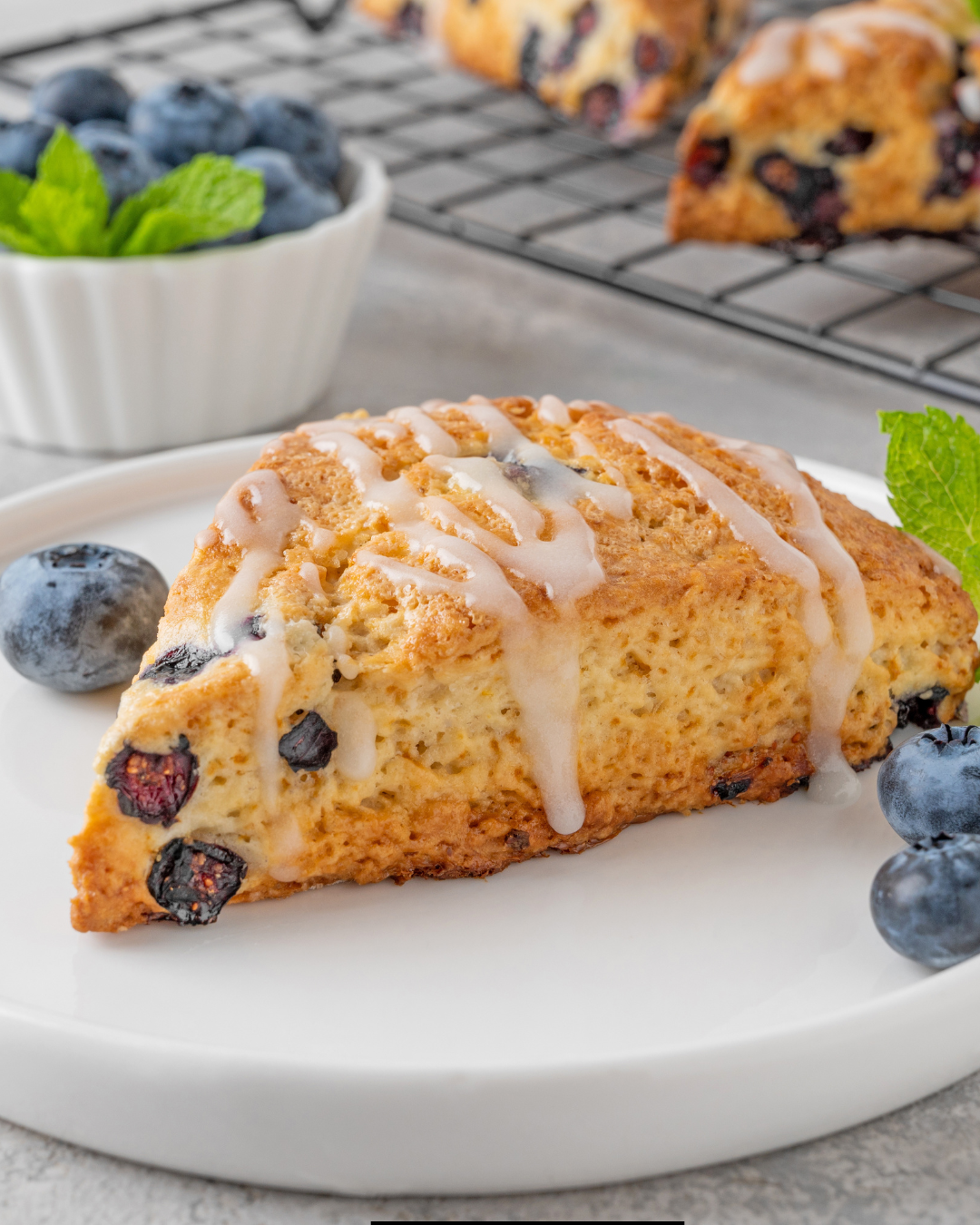
I’m sharing my favorite recipe for Rhubarb Scones with Lemon Glaze because, let’s face it, life is better with a little citrus zing on top. These scones strike the perfect harmony between the tart, juicy pops of rhubarb and the sweet, refreshing drizzle of lemon glaze.
I’ll admit, rhubarb holds a special place in my heart—it takes me back to childhood summers, where its vibrant stalks grew abundantly in my grandmother’s garden. We’d pick them fresh and use their natural tang to bake pies, crisps, and yes, scones. To this day, the combination of rhubarb in a flaky, buttery scone still feels like a warm hug from the past.
Table of Contents
How to make Rhubarb Scones with Lemon Glaze
A Rhubarb Scones with Lemon Glaze is a baked pastry recipe that combines tart, fresh rhubarb with rich, buttery scone dough and a sweet lemon icing. The result is a tender, flaky scone with a balance of sweet, tangy, and citrusy flavors.
Ingredients
For the Scones:
- 2 cups (250g) all-purpose flour – The base of your scones, providing structure. For fluffier scones, you can sift the flour first.
- 1/4 cup (50g) granulated sugar – Adds subtle sweetness to balance the tartness of rhubarb.
- 1 tablespoon baking powder – Ensures a nice rise and fluffiness.
- 1/2 teaspoon salt – Enhances the flavors in your scones.
- 1/2 cup (113g, 1 stick) unsalted butter, cold and cubed – Essential for flaky layers. Cold butter creates steam pockets that result in tender, flaky scones.
- 3/4 cup (180ml) heavy cream – Adds moisture and richness to the dough.
- 1 large egg – Helps bind the ingredients and adds structure.
- 1 teaspoon vanilla extract: Provides a delicious hint of flavor that complements the rhubarb’s tartness.
- 1 cup (120g) rhubarb, diced into small pieces – Fresh rhubarb works best, but if using frozen rhubarb, be sure to thaw and drain it before adding to the dough.
- Optional: 1–2 tablespoons sugar for sprinkling on top of the scones for a touch of extra sweetness.
For the Lemon Glaze:
- 1 cup (120g) powdered sugar – Forms the base for the glaze, creating a smooth texture.
- 2–3 tablespoons fresh lemon juice – Adjust the amount depending on your preferred flavor intensity and consistency of the glaze.
- 1 teaspoon lemon zest (optional) – For an extra citrusy punch.
Instructions
- Preheat your oven to 400°F (200°C). Line a baking sheet with parchment paper or a silicone baking mat to prevent sticking and ensure easy cleanup.
- In a large mixing bowl, whisk together the flour, sugar, baking powder, and salt. Ensure the dry ingredients are evenly mixed to avoid any clumps later.
- Add the cold, cubed butter to the flour mixture. Using a pastry cutter, fork, or your fingertips, cut the butter into the flour until the mixture resembles coarse crumbs with pea-sized pieces of butter. Be careful not to overwork the mixture—you want the butter to remain cold and solid.
- In a separate bowl, whisk together the heavy cream, egg, and vanilla extract.
- Gradually pour the wet ingredients into the dry mixture. Stir gently until the dough begins to come together—do not overmix! Fold in the diced rhubarb, ensuring it’s evenly distributed. The dough will be slightly sticky but manageable.
- Turn the dough out onto a lightly floured surface. Gently shape it into a round disc about 1 inch (2.5 cm) thick. Use a knife or bench scraper to cut the dough into 8 triangular wedges (like slicing a pizza). Alternatively, you can use a round biscuit cutter to create circular scones.
- Place the scones on the prepared baking sheet, spacing them about 2 inches apart. Brush the tops lightly with heavy cream and sprinkle with sugar (optional). Bake for 18–22 minutes, or until the edges are lightly golden and the scones are cooked through.
- Remove the scones from the oven and allow them to cool slightly on the baking sheet before transferring them to a wire rack.
- While the scones cool, make the glaze. In a small bowl, whisk together powdered sugar and lemon juice until smooth. Add lemon zest if you want that extra burst of flavor. If the glaze is too thick, add a small amount of extra lemon juice, one teaspoon at a time. For a thicker glaze, add more powdered sugar.
- Once the scones are warm (but not hot), drizzle or spread the lemon glaze over the top. Let it sit for a few minutes before serving.
Tips for Perfect Rhubarb Scones
- The colder the butter, the flakier your scones will be. For best results, refrigerate or even freeze the butter beforehand.
- Overmixing can make scones dense and tough. Stop mixing as soon as the dough comes together.
- If you’re using fresh rhubarb, dice it into small pieces for even distribution. Frozen rhubarb works too, but be sure to drain any excess moisture to prevent soggy scones.
- Parchment paper not only prevents sticking but also promotes even baking. A silicone baking mat works well too.
- Check the scones by lightly pressing the tops—if they spring back slightly and are golden brown around the edges, they’re ready!
- Let the Rhubarb Scones cool slightly before adding the glaze—this ensures it adheres nicely without melting.
- If you want to experiment, try adding a handful of chopped nuts (like pecans or walnuts) or even a sprinkle of cinnamon to the dough for added texture and warmth.
Ingredients Substitutes
1. All-Purpose Flour
Alternative: Gluten-Free All-Purpose Flour
If you’re avoiding gluten, use a good-quality gluten-free flour blend that includes xanthan gum. Note that scones made with gluten-free flour may not rise as much as those with regular flour.
Alternative: Whole Wheat Flour
Replace up to 50% of the all-purpose flour with whole wheat flour for a heartier texture and a slightly nutty flavor. Scones may be denser, so adding an extra 1–2 tablespoons of heavy cream can help keep them moist.
2. Granulated Sugar
Alternative: Brown Sugar
Use an equal amount of light or dark brown sugar to add a touch of caramel-like sweetness and a bit more moisture.
Alternative: Coconut Sugar
Coconut sugar can replace granulated sugar in a 1:1 ratio for a more natural sweetener with a mild, earthy flavor. This works well if you’re looking to reduce refined sugar intake.
Alternative: Honey or Maple Syrup
Substitute granulated sugar with an equal amount of liquid sweetener, but reduce the heavy cream slightly to account for the extra liquid.
3. Butter (unsalted)
Alternative: Salted Butter
Use salted butter if that’s what you have on hand. Omit the added salt in the recipe to balance the flavor.
Alternative: Coconut Oil
Replace cold butter with solid coconut oil in a 1:1 ratio for a dairy-free option. Note that coconut oil may alter the flavor slightly.
Alternative: Vegan Butter
For a plant-based substitute, use cold vegan butter in the same quantity. Brands like Earth Balance work well.
4. Heavy Cream
Alternative: Buttermilk
Buttermilk adds richness and tanginess to the scone dough, and the acidity helps with tenderizing it. Replace heavy cream with an equal amount of buttermilk.
Alternative: Full-Fat Coconut Cream or Milk
For a dairy-free option, use canned coconut cream or full-fat coconut milk. Slight coconut notes can complement the tart rhubarb beautifully. Keep it cold for the best results.
Alternative: Yogurt or Greek Yogurt (Plain)
Thin yogurt with a bit of water or milk to match the consistency of heavy cream. This adds a bit of tang along with the moisture. Use in a 1:1 ratio.
5. Egg
Alternative: Flaxseed or Chia Egg
For an egg-free option, mix 1 tablespoon of ground flaxseed or chia seeds with 2.5 tablespoons of water. Let it sit for 5 minutes until it forms a gel-like consistency. This works great as an egg binder in the dough.
Alternative: Applesauce or Mashed Banana
Use 1/4 cup of unsweetened applesauce or mashed banana as a substitute for 1 egg. Keep in mind that this substitution may change the flavor of the scones slightly, especially with banana.
Alternative: Yogurt
A quarter cup of yogurt can also replace the egg. It adds moisture and tang while providing stability.
6. Rhubarb
Alternative: Strawberries
Swap rhubarb with an equal amount of diced fresh or frozen strawberries, as they also have a sweet and tart flavor.
Alternative: Mixed Berries
Use fresh or frozen berries such as blueberries, blackberries, or raspberries for a fruity twist.
Alternative: Apples, Pears, or Other Firm Fruits
Dice apples, pears, or even peaches for a unique flavor. These fruits are less acidic than rhubarb, so your scones will be sweeter without needing as much sugar or tweaking.
Final Thoughts
Your Rhubarb Scones with Lemon Glaze are now ready to serve! Pair them with a cup of tea, coffee, or enjoy them as-is for a refreshing yet comforting treat.
More Rhubarb Recipes:

Ingredients
For the Scones:
- 2 cups (250g) all-purpose flour
- 1/4 cup (50g) granulated sugar
- 1 tablespoon baking powder
- 1/2 teaspoon salt
- 1/2 cup (113g, 1 stick) unsalted butter, cold and cubed
- 3/4 cup (180ml) heavy cream
- 1 large egg
- 1 teaspoon vanilla extract
- 1 cup (120g) rhubarb, diced into small pieces
- Optional: 1–2 tablespoons sugar
For the Lemon Glaze:
- 1 cup (120g) powdered sugar
- 2–3 tablespoons fresh lemon juice
- 1 teaspoon lemon zest (optional)
Instructions
- Preheat your oven to 400°F (200°C). Line a baking sheet with parchment paper or a silicone baking mat to prevent sticking and ensure easy cleanup.
- In a large mixing bowl, whisk together the flour, sugar, baking powder, and salt. Ensure the dry ingredients are evenly mixed to avoid any clumps later.
- Add the cold, cubed butter to the flour mixture. Using a pastry cutter, fork, or your fingertips, cut the butter into the flour until the mixture resembles coarse crumbs with pea-sized pieces of butter. Be careful not to overwork the mixture—you want the butter to remain cold and solid.
- In a separate bowl, whisk together the heavy cream, egg, and vanilla extract.
- Gradually pour the wet ingredients into the dry mixture. Stir gently until the dough begins to come together—do not overmix! Fold in the diced rhubarb, ensuring it’s evenly distributed. The dough will be slightly sticky but manageable.
- Turn the dough out onto a lightly floured surface. Gently shape it into a round disc about 1 inch (2.5 cm) thick. Use a knife or bench scraper to cut the dough into 8 triangular wedges (like slicing a pizza). Alternatively, you can use a round biscuit cutter to create circular scones.
- Place the scones on the prepared baking sheet, spacing them about 2 inches apart. Brush the tops lightly with heavy cream and sprinkle with sugar (optional). Bake for 18–22 minutes, or until the edges are lightly golden and the scones are cooked through.
- Remove the scones from the oven and allow them to cool slightly on the baking sheet before transferring them to a wire rack.
- While the scones cool, make the glaze. In a small bowl, whisk together powdered sugar and lemon juice until smooth. Add lemon zest if you want that extra burst of flavor. If the glaze is too thick, add a small amount of extra lemon juice, one teaspoon at a time. For a thicker glaze, add more powdered sugar.
- Once the scones are warm (but not hot), drizzle or spread the lemon glaze over the top. Let it sit for a few minutes before serving.
Discover more from Heavnly Foods
Subscribe to get the latest posts sent to your email.