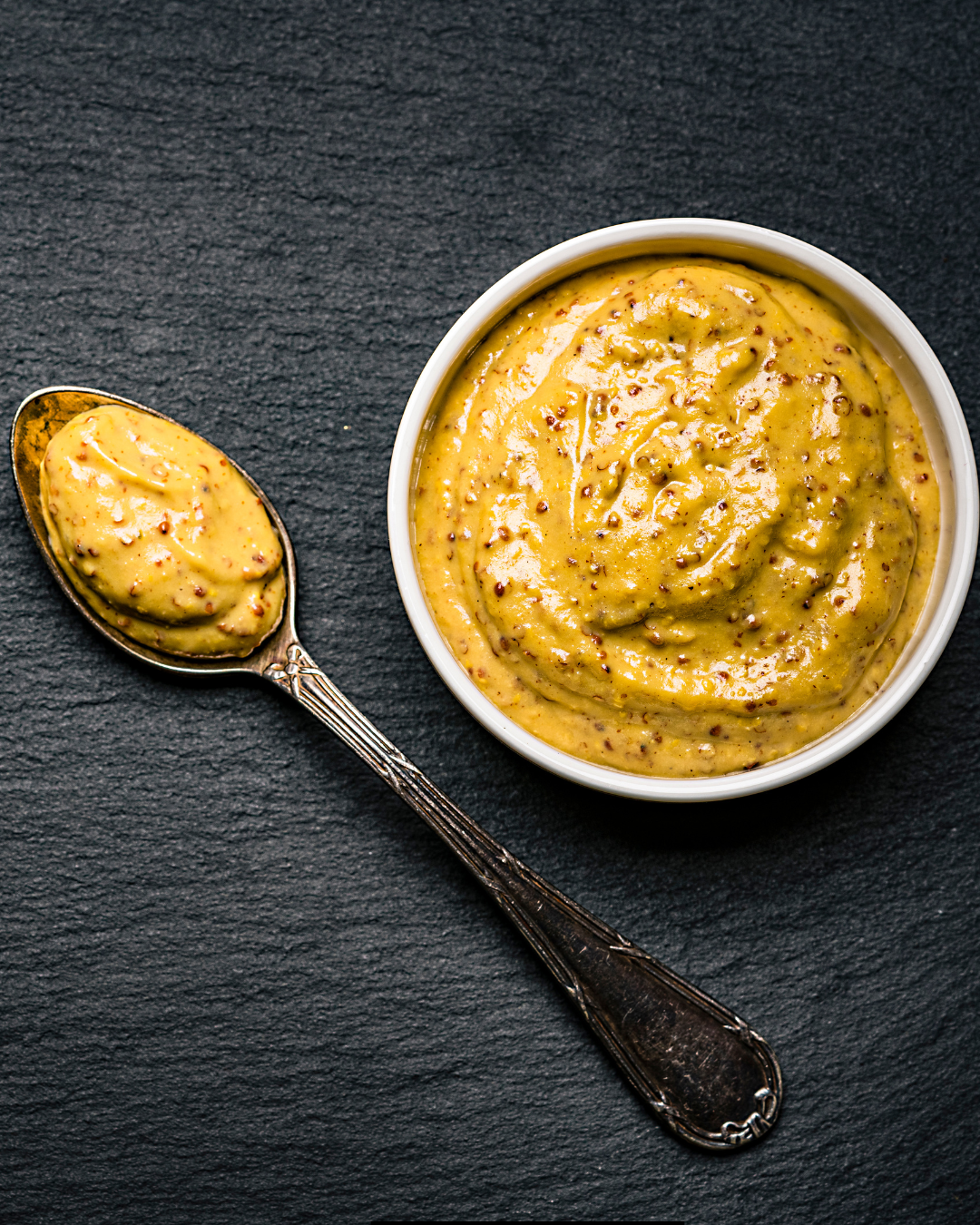
What I love most about Dijon mustard sauce is its versatility. With just a handful of ingredients, you can create a silky, flavorful sauce that feels gourmet without being intimidating. And the best part? It comes together in minutes!
Table of Contents
How to make Dijon Mustard Sauce
Dijon mustard sauce is a creamy or tangy sauce made using Dijon mustard as the main flavor ingredient. It’s known for its smooth texture, sharp mustard taste, and slightly spicy, savory flavor.
Ingredients
Here’s what you’ll need to whip up a rich and flavorful Dijon mustard sauce. This recipe makes about 1 cup of sauce:
- 2 tablespoons unsalted butter
- 2 tablespoons all-purpose flour
- 1 cup chicken stock (or vegetable stock)
- 2–3 tablespoons Dijon mustard
- 1/2 cup heavy cream (or half-and-half)
- 1 teaspoon white wine or white wine vinegar (optional)
- Salt and freshly ground black pepper, to taste
- 1 teaspoon fresh thyme leaves (optional)
Instructions
Follow these simple steps to make Dijon mustard sauce:
- In a medium-sized saucepan, melt the butter over medium heat. Be careful not to let it brown.
- Once the butter is fully melted, whisk in the flour to create a roux (a thick paste).
- Cook the roux for about 1–2 minutes, stirring constantly, until it turns a light golden color. This step ensures the sauce doesn’t have a raw flour taste.
- Gradually pour in the chicken (or vegetable) stock while whisking continuously. This will help avoid lumps.
- Keep whisking and cook for 2–3 minutes until the sauce begins to thicken.
- Stir in the Dijon mustard, and whisk until fully incorporated. Adjust the amount of mustard to your preferred level of tanginess.
- Lower the heat to medium-low, and stir in the heavy cream. If you’re using white wine or vinegar, add it here as well.
- Simmer for another 2–3 minutes, letting the flavors meld and the sauce thicken further. Be careful not to boil the sauce, as it can cause the cream to curdle.
- Taste the sauce and season with freshly ground black pepper, a pinch of salt, and (if using) fresh thyme leaves for an herby, aromatic touch.
- Serve immediately over your favorite protein or vegetables, or use as a dipping sauce.
Tips for Perfect Dijon Mustard Sauce
- The flavor of your sauce will largely depend on your Dijon mustard, so opt for a high-quality brand for the best results. Some popular options include Maille or Grey Poupon.
- The butter and flour roux is essential for thickening the sauce and giving it a silky texture. If you prefer a thicker sauce, add another teaspoon of flour; for a thinner sauce, use additional chicken stock.
- When adding stock and cream, pour slowly while whisking to prevent lumps and ensure a smooth consistency.
- Start with 2 tablespoons of Dijon mustard, taste, and add more if you want a bolder tang. Adding a splash of white wine vinegar can also amp up the flavor.
- If you’re trying to cut calories, swap heavy cream with milk or half-and-half, though the sauce won’t be as rich.
What to serve with
Dijon mustard sauce is a culinary gem that can transform everyday ingredients into gourmet meals. Its tangy, creamy, and slightly sharp flavor makes it incredibly versatile, complementing a wide variety of dishes.
1. Proteins That Shine with Dijon Mustard Sauce
Dijon mustard sauce pairs beautifully with various proteins, enhancing their natural flavors while adding a touch of tangy richness.
Chicken
- Grilled Chicken Breast: Drizzle Dijon mustard sauce over juicy grilled chicken for a flavorful finish.
- Roast Chicken: Roasted chicken thighs or a whole roast chicken get an incredible lift with the sauce spooned on top or served on the side.
- Stuffed Chicken: Try it with chicken stuffed with spinach, cheese, or mushrooms to bring everything together beautifully.
Pork
- Pork Chops: Pan-seared or grilled pork chops pair exceptionally well with the tangy sauce.
- Pork Tenderloin: Slice tenderloin into medallions and drizzle Dijon mustard sauce over for an elegant yet easy dinner.
- Roast Pork Shoulder: The sauce’s creamy sharpness balances the richness of slow-cooked or roasted pork shoulder.
Seafood
- Salmon: Top pan-seared, grilled, or baked salmon with Dijon mustard sauce for a rich, tangy finish.
- White Fish: Cod, halibut, or sole fillets are excellent options for pairing with the sauce without overpowering the subtle flavor of the fish.
- Shrimp: Add Dijon mustard sauce as a dipping sauce for grilled or roasted shrimp.
Beef
- Steak: Serve atop filet mignon, sirloin, or flank steak for a creamy companion to the robust meat flavors.
- Beef Tenderloin: Fancy occasions call for tenderloin medallions with a generous drizzle of mustard sauce.
Lamb
- Lamb Chops: Dijon mustard sauce adds a fantastic tang to balance the richness of lamb.
- Rack of Lamb: Serve a rack of lamb with the sauce for an upscale presentation.
2. Vegetables That Pair with Dijon Mustard Sauce
Dijon mustard sauce isn’t just for meats—it’s an incredible addition to vegetable dishes and sides.
Roasted or Steamed Vegetables
- Asparagus: The sauce’s creamy tang enhances the earthy flavor of roasted or steamed asparagus.
- Brussels Sprouts: Roasted Brussels sprouts with crispy edges sing when paired with Dijon mustard sauce.
- Carrots: Drizzle over roasted carrots for an elegant side dish.
- Cauliflower or Broccoli: Pour the sauce over steamed or roasted florets for a delicious vegetarian option.
Potatoes
- Mashed Potatoes: Stir the sauce into creamy mashed potatoes or use it as a topping for an extra kick of flavor.
- Roasted Potatoes: Toss crispy baby potatoes in Dijon mustard sauce for an irresistible texture and taste.
- Baked Potato: Use it as a topping on a classic baked potato.
Greens
- Green Beans: Serve Dijon mustard sauce as a side dip for crunchy, sautéed green beans.
- Spinach or Kale: Toss sautéed greens in a light coating of the sauce for a tangy twist.
Mushrooms
- Sautéed mushrooms with a drizzle of Dijon mustard sauce make a hearty and flavorful vegetarian dish or side.
Ingredients Substitutes
Many of the key components can be swapped for alternatives without compromising too much on taste.
1. Dijon Mustard Substitutes
Since Dijon mustard is the star of the sauce, it’s important to use something that comes close in flavor and texture. Here are some excellent alternatives:
a) Spicy Brown Mustard: Slightly more robust and grainy than Dijon mustard, spicy brown mustard is a great substitute, especially if you want a bolder flavor.
b) Yellow Mustard: Sweeter and tangier than Dijon, yellow mustard is a good option for a milder sauce. However, it lacks the depth of flavor that Dijon provides.
c) Whole Grain Mustard: Adds a rustic texture and slightly toned-down tanginess compared to Dijon, but works well if you like a bit of grit in your sauce.
d) Honey Mustard: This works if you enjoy a slightly sweeter mustard sauce. Since honey mustard lacks Dijon’s tangy edge, you might want to balance it with a dash of vinegar or lemon juice.
e) Homemade Dijon Alternative: If you have mustard powder, you can mix 1 tablespoon dry mustard powder with 1 teaspoon white wine and 1 teaspoon vinegar to get a quick Dijon-like mustard substitute.
2. Heavy Cream Substitutes
Heavy cream gives Dijon mustard sauce its luscious, creamy texture, but there are plenty of substitutes that work well based on dietary needs or availability.
a) Half-and-Half: For a lighter sauce, substitute half-and-half for heavy cream. The sauce will be slightly less rich but still creamy.
b) Milk and Butter: Combine 3/4 cup milk with 1/4 cup melted butter to mimic heavy cream. This works well for adding richness without using actual cream.
c) Coconut Cream or Milk: For a dairy-free or vegan option, use unsweetened coconut cream or full-fat coconut milk. It adds creaminess, though you might notice a slight coconut flavor.
d) Cashew Cream: Blend soaked cashews with a bit of water to create a creamy alternative that’s perfect for plant-based diets.
e) Greek Yogurt: If you’re out of heavy cream but have plain unsweetened Greek yogurt, it can work. Mix it with a bit of milk or broth to thin it out and avoid curdling.
3. Chicken Stock Substitutes
Chicken stock adds depth of flavor to the sauce, but if you don’t have it on hand or need an alternative, try the following:
a) Vegetable Stock: A perfect one-to-one substitute, especially for vegetarian or vegan versions.
b) Beef Stock: Use beef stock as a substitute if making a sauce for red meats. It provides a richer, deeper flavor.
c) Water + Bouillon Cube or Powder: Dissolve a chicken or vegetable bouillon cube in hot water to create a quick stock substitute. Use it in the same quantity as stock.
d) White Wine: White wine can replace part (or all) of the stock for a more robust, tangy flavor. Combine with a bit of water to dilute its intensity if needed.
e) Milk: If you want a creamier sauce and don’t have stock, milk works as an alternative. It may not have the same savory depth, so you might need to season the sauce more.
4. Butter Substitutes
Butter is used in the sauce to create a roux for thickening. If you’re out of butter or have dietary restrictions, here are replacements:
a) Neutral Vegetable Oil: Oils like canola, sunflower, or avocado oil can work in place of butter. They won’t bring the same rich flavor but will help with the thickening process.
b) Olive Oil: A healthy, flavorful option that pairs well with Dijon sauce for dishes with Mediterranean influences.
c) Vegan Butter or Margarine: Use a plant-based butter alternative for a dairy-free or vegan version of the sauce.
Substitute in equal parts as butter.
d) Ghee or Clarified Butter: A lactose-free option that still provides rich, buttery flavor and works well in making the roux.
5. Flour Substitutes
Flour is used as a thickening agent in Dijon mustard sauce. If you need a gluten-free or low-carb option, consider the following:
a) Cornstarch: Mix 1 tablespoon of cornstarch with 2 tablespoons of water to create a slurry that can replace flour for thickening. Add it toward the end of cooking.
b) Arrowroot Powder: A great gluten-free thickener, arrowroot works similarly to cornstarch. Make a slurry as you would with cornstarch.
c) Almond Flour: If you’re doing keto or avoiding gluten, finely ground almond flour can serve as a roux base. The texture may be slightly different, but it’s a good option.
d) Tapioca Starch: Another gluten-free alternative, tapioca starch thickens well and leaves the sauce glossy. Use a slurry approach and add it at the end.
Final Thoughts
Now that you have all the details, it’s time to put on your chef hat and impress your family or guests with this delicious, homemade Dijon mustard sauce. Trust me—this recipe is foolproof and guarantees rave reviews!
More Sauce Recipes:

Ingredients
- 2 tablespoons unsalted butter
- 2 tablespoons all-purpose flour
- 1 cup chicken stock (or vegetable stock)
- 2–3 tablespoons Dijon mustard
- 1/2 cup heavy cream (or half-and-half)
- 1 teaspoon white wine or white wine vinegar (optional)
- Salt and freshly ground black pepper, to taste
- 1 teaspoon fresh thyme leaves (
Instructions
- In a medium-sized saucepan, melt the butter over medium heat. Be careful not to let it brown.
- Once the butter is fully melted, whisk in the flour to create a roux (a thick paste).
- Cook the roux for about 1–2 minutes, stirring constantly, until it turns a light golden color. This step ensures the sauce doesn't have a raw flour taste.
- Gradually pour in the chicken (or vegetable) stock while whisking continuously. This will help avoid lumps.
- Keep whisking and cook for 2–3 minutes until the sauce begins to thicken.
- Stir in the Dijon mustard, and whisk until fully incorporated. Adjust the amount of mustard to your preferred level of tanginess.
- Lower the heat to medium-low, and stir in the heavy cream. If you're using white wine or vinegar, add it here as well.
- Simmer for another 2–3 minutes, letting the flavors meld and the sauce thicken further. Be careful not to boil the sauce, as it can cause the cream to curdle.
- Taste the sauce and season with freshly ground black pepper, a pinch of salt, and (if using) fresh thyme leaves for an herby, aromatic touch.
- Serve immediately over your favorite protein or vegetables, or use as a dipping sauce.
Discover more from Heavnly Foods
Subscribe to get the latest posts sent to your email.